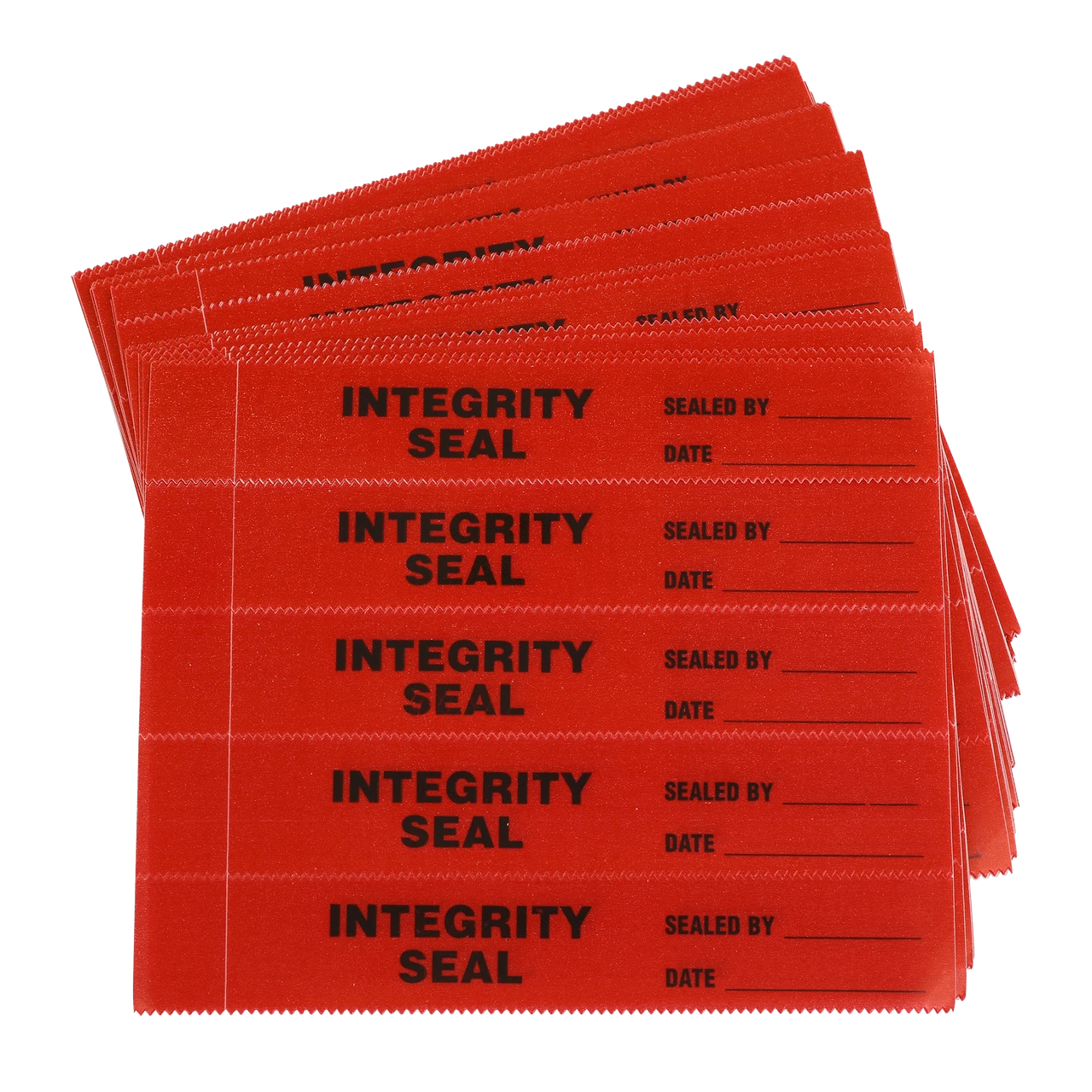
What Are Tamper Evident Seals for Hospitals?
Tamper evident seals for hospitals are adhesive security labels placed across approved equipment access points, container closures or outer packaging to reveal signs of opening or attempted removal. Depending on the material, they may display a VOID message, leave a transferred pattern or fragment when peeled. Their purpose is to support visual inspection and accountability, rather than physically prevent every unauthorized action.
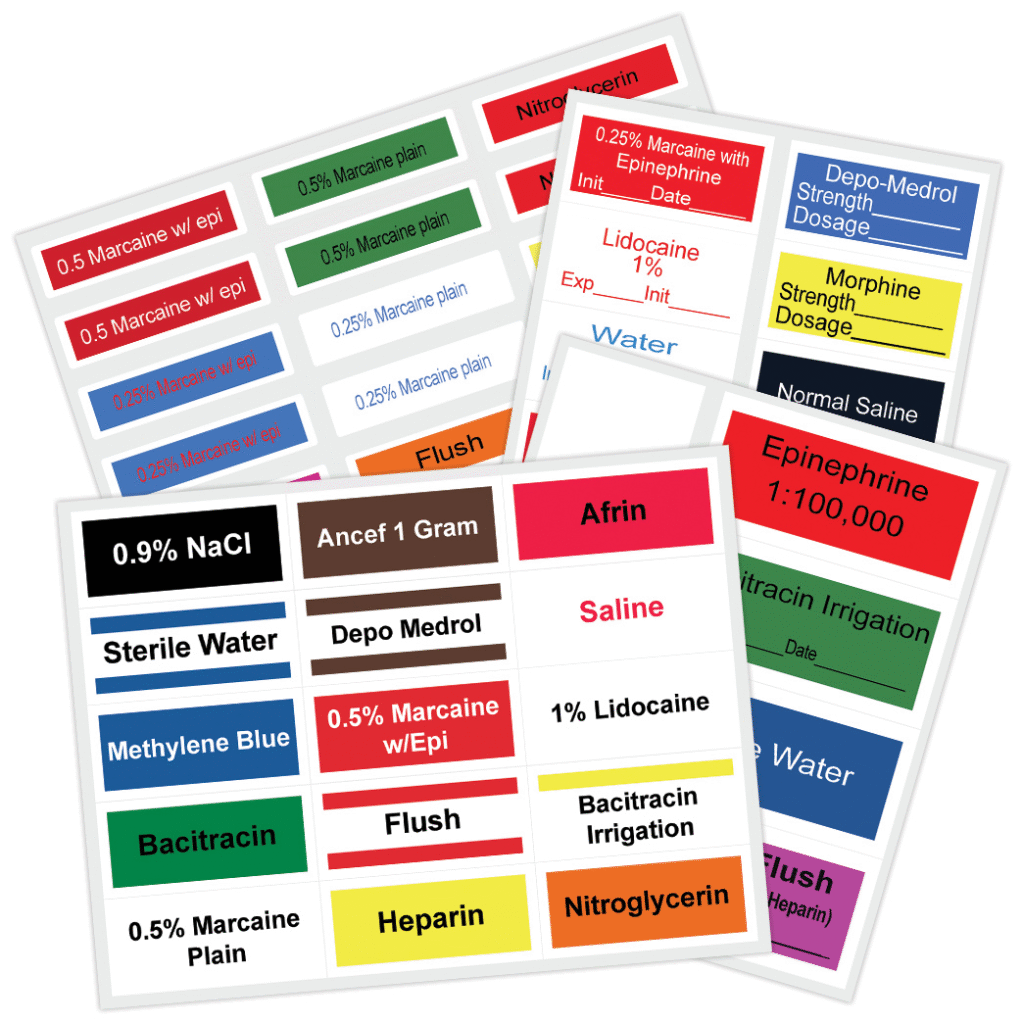
Potential applications include vaccine transport containers, blood specimen transport packaging, and urine or stool collection containers where the laboratory’s procedures permit an additional security seal. Applied across a suitable closure, hospital container security seals can help staff identify possible interference during collection, transport or handover. They must not obstruct essential identification, interfere with closure performance or contact the specimen.
Identification and tamper evidence serve different functions. Patient identifiers and specimen numbers link a container to its accompanying records; a security seal indicates possible opening. Custom serial numbers or barcodes can support handover checks when recorded and reconciled, but cannot independently verify the contents or eliminate substitution risks. CDC guidance emphasizes following facility procedures for specimen labeling and identification.
An intact label does not establish sterility, vaccine potency or equipment safety. Vaccines still require appropriate storage and temperature monitoring, while specimen containers require suitable collection and transport procedures. Hospital equipment security labels should therefore complement, not replace, clinical controls.
EcoSecurityTape can review custom label requirements, including dimensions, warning text and numbering. Buyers should validate adhesion, removal effects and compatibility with the intended hospital application before ordering.
Where Hospitals Use Equipment and Container Security Labels
Tamper evident seals for hospitals can support checks on selected equipment and containers when their use is approved by the hospital. Potential applications include vaccine transport boxes, specimen containers and equipment access panels. The purpose is to make unexpected opening more noticeable while supporting identification and documented handovers.
| Application | Inspection Purpose | Key Limitations |
|---|---|---|
| Equipment housings and approved service panels | Check for possible access between authorized maintenance activities. | Do not obstruct ventilation, controls, safety markings or manufacturer seals. |
| Vaccine transport boxes and medical insulated containers | Inspect the outer closure at dispatch and receipt; reconcile seal numbers with transfer records. | A seal does not monitor temperature or validate vaccine condition. |
| Urine and stool collection cups | Where permitted, place a label across the closed lid and container to indicate possible opening. | Do not contact the specimen, obscure identifiers or interfere with the closure. |
| Blood specimen secondary transport containers | Support opening checks during transfer to the laboratory. | Do not replace primary-container labeling or required transport packaging. |
| Non-sterile storage containers | Identify possible access to controlled supplies between checks. | Label integrity does not confirm the contents or cleanliness. |
For medical insulated boxes, staff can record a unique seal number before dispatch and inspect it at receipt alongside the temperature record and contents list. Any discrepancy should be handled under the facility’s procedures.
Collection cups require particular care: hospital container security seals should not cover measurement graduations, patient information or instructions. Placement and adhesive compatibility must be tested before routine use.
Where sterile supplies are involved, labels must not compromise the validated sterile barrier. These labels support handling accountability; they do not sterilize equipment, prevent contamination independently or guarantee patient safety.
VOID vs Destructible Labels: Choosing the Right Removal Effect
Choosing tamper evident seals for hospitals requires matching the removal effect to the application surface, inspection procedure and acceptable cleanup. VOID labels reveal an opening message through a separation mechanism, while destructible labels rely on visible material damage. Neither construction independently confirms sterility or verifies container contents.
| Label Construction | Visible Opening Evidence | Residue and Cleanup | Replacement Considerations |
|---|---|---|---|
| Full-transfer VOID | A security pattern transfers to the application surface when the label is peeled. | Transferred material remains; removal methods must be compatible with the surface. | Inspect and prepare the surface before applying a replacement seal. |
| Partial-transfer VOID | Part of the security pattern remains on the surface, with corresponding changes on the removed label. | Localized transferred material may require cleaning. | Check that previous traces cannot be confused with a newly applied seal. |
| Non-transfer VOID | The opening message develops within the label construction rather than intentionally transferring a pattern to the surface. | Designed to limit transferred material, but adhesive residue remains possible on some surfaces. | Test removal after representative dwell times and cleaning exposure. |
| Destructible paper or vinyl | The face material tears or fragments during attempted removal when appropriately bonded. | Fragments and adhesive may remain, increasing cleanup time. | Remove remnants without damaging the equipment coating before resealing. |
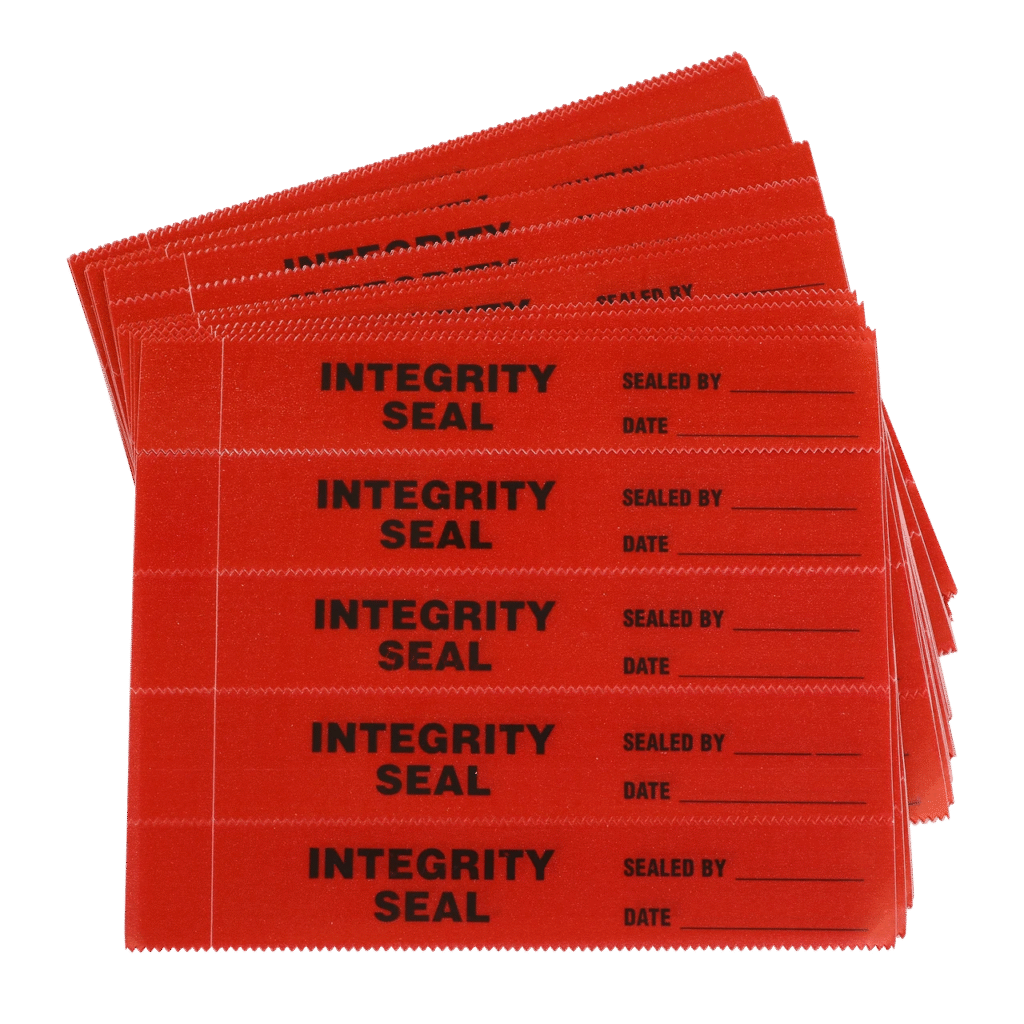
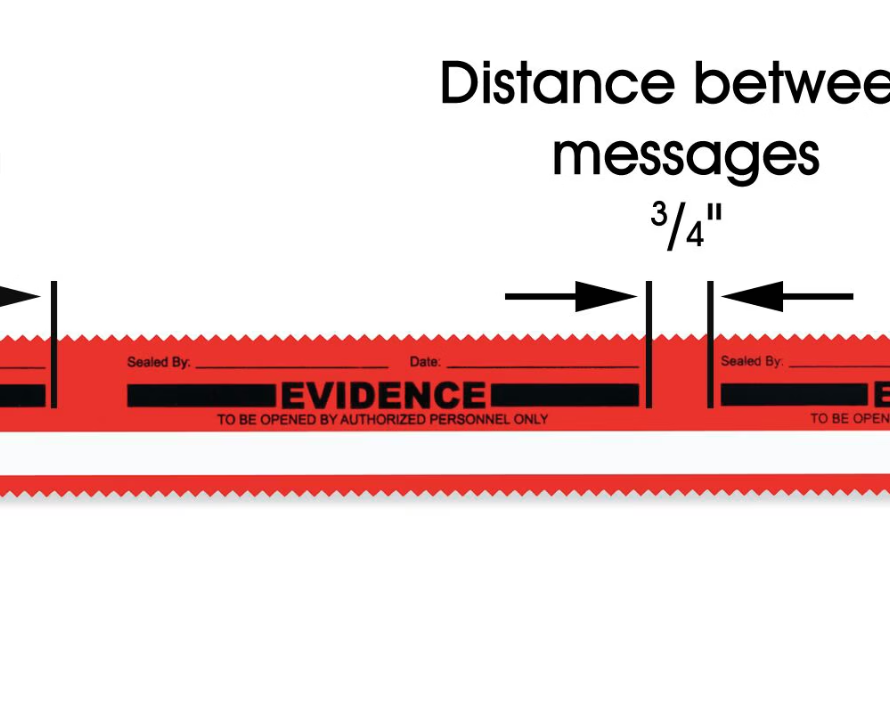
Writable fields can include “SEALED BY,” “DATE,” staff initials and a reference number. EST can review an INTEGRITY SEAL layout with a designated writing area. Buyers should test the selected pen for legibility, drying and smudge resistance on the proposed face material.
Stamp-style serrated edges, perforations and security cuts serve different purposes. Perforated backing can help separate individual labels; face-material perforations or security cuts may facilitate authorized opening or encourage tearing. A decorative serrated outline alone does not establish tamper evidence. Confirm the intended function in the artwork and sample review.
For custom hospital security labels, approve both the printed information and the demonstrated removal effect before production.
Custom Logos, Serial Numbers and Hospital Label Specifications
Custom hospital security labels should be specified around the buyer’s application, inspection procedures and identification requirements. Before confirming production, EcoSecurityTape reviews label dimensions, material, colors, removal effect, writable fields, warning text and packaging format. Buyers should also provide photographs of the intended surface and explain how staff will apply, inspect and replace each seal.
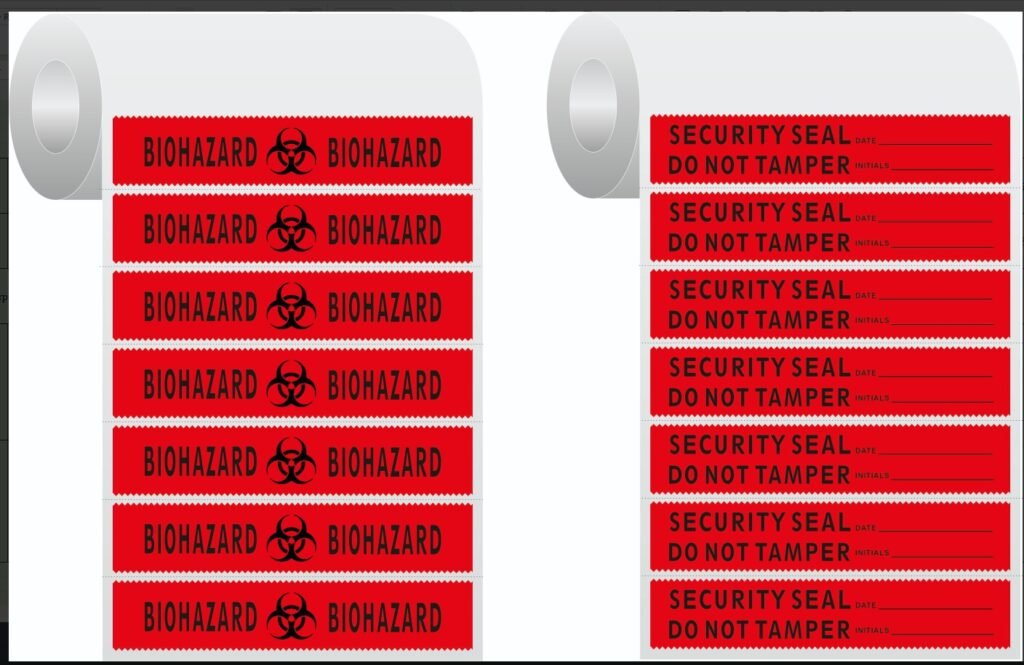
EST’s hospital-related project experience includes a Saudi hospital customer’s requirement for 30,000 labels and a Portuguese hospital association customer’s requirement for 100,000 labels. These projects involve different language layouts and numbering requirements. Arabic and Portuguese artwork must accommodate readable instructions, appropriate text direction and sufficient space for handwritten dates or staff initials. Customers should approve translations and final layouts before production.
Hospital equipment security labels can incorporate a hospital logo, department name, “INTEGRITY SEAL” wording, sequential numbers, barcodes or QR codes. Buyers should confirm the starting number, prefix, total quantity and whether numbering continues across batches. Where duplicate identifiers are needed on a seal and its corresponding record, that relationship must be defined in the specification.
A printed code does not automatically connect to a hospital information system. If scanning is required, the customer should provide the barcode format or QR content and confirm compatibility with its scanners and software. EST can prepare the requested printed identifiers; system integration and data validation require customer confirmation.
Practical project support helps buyers organize these details. EST can share suitable, non-confidential examples of previous hospital-label projects by email or WhatsApp, subject to customer permission. Preliminary artwork is available free of charge using the buyer’s vector logo, approved text and dimensions.
Custom adhesive labels generally start from 200 pieces, subject to material and production requirements. Where paid custom sampling is necessary, the quotation can specify whether the sampling fee is refundable or credited against a subsequent qualifying order, including any minimum quantity and validity period. This arrangement must be agreed in writing rather than assumed.
Before order confirmation, both parties should approve the specification sheet, artwork, numbering rules, sample acceptance criteria, production schedule and commercial terms.
Match Hospital Security Labels to Metal, Plastic and Coated Surfaces
Selecting tamper evident seals for hospitals starts with identifying the actual application surface. A label that bonds well to a smooth equipment housing may behave differently on a curved specimen cup or textured medical transport box.
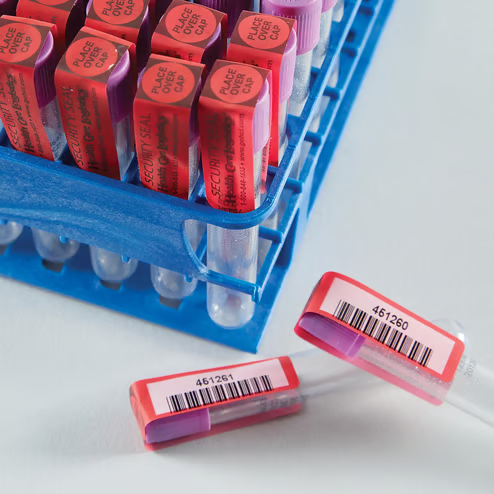
Metal equipment housings: Apply hospital equipment security labels across approved access-panel joints where opening will disturb the seal. Stainless steel and aluminum surfaces should be dry and free from contamination before application, following the equipment manufacturer’s cleaning instructions. Avoid ventilation openings, controls and essential identification plates.
Painted and coated equipment: For tamper evident labels for medical equipment, test the finished coating rather than an uncoated metal sample. Adhesion and removal may differ between smooth paint and textured powder coatings. Check whether removal lifts paint, leaves unwanted residue or produces unclear opening evidence.
Plastic specimen containers: Urine and stool collection cups often have curved walls and narrow lid edges. Where laboratory procedures permit, hospital container security seals can bridge the lid and container body without covering patient identifiers or measurement graduations. Confirm that the label conforms without lifting and does not interfere with closing or opening the container.
Medical insulated boxes: Reusable vaccine transport boxes may have textured plastic exteriors or develop condensation during handling. Test seals under representative application and service temperatures; room-temperature results alone do not establish cold-condition performance. Labels must not obstruct temperature-monitoring equipment or required markings.
EcoSecurityTape can review custom hospital security labels using surface photographs, dimensions and handling details. Before approving tamper evident seals for hospitals, buyers should test samples on actual containers and equipment, recording adhesion, edge lifting and surface condition after removal.
Cleaning, Disinfection and Routine Inspection Considerations
Tamper evident seals for hospitals should be evaluated against the cleaning procedures and environmental conditions of each application. Hospitals, diagnostic laboratories and biotechnology companies may use security labels to identify containers, distinguish departments or batches, and support opening checks during transfers. However, classification labels and tamper-evident seals serve different purposes; color coding alone does not demonstrate interference.
Confirm cleaning exposure before selecting materials. Buyers should identify the cleaning products, concentrations, contact times and wiping frequency involved. Labels on frequently wiped equipment housings face different conditions from seals on disposable specimen packaging. Test hospital equipment security labels for edge lifting, print fading, adhesive changes and readability after representative cleaning. Do not assume compatibility with every disinfectant.
Separate application temperature from service temperature. A label applied to a dry container at room temperature may perform differently from one applied directly to a chilled surface. Refrigerated laboratory storage, vaccine transport and room-temperature supply cabinets create different requirements. Condensation, temperature cycling and storage duration should be included in sample evaluation. Cold-storage suitability does not automatically establish freezer compatibility.
Match construction to handling requirements. Face material, adhesive and overall thickness affect flexibility, dispensing and contact with curved surfaces. Thicker labels are not automatically more secure: excessive stiffness may cause lifting around small specimen cups. For tamper evident labels for medical equipment, check both bonding and the opening evidence after the expected service period.
Build inspection into the workflow. Staff should check seal integrity, handwritten dates, serial numbers and associated handover records. Hospital container security seals with damage, mismatched identifiers or unclear markings require assessment under the organization’s procedures, not automatic resealing.
EST can review custom hospital security labels for these different environments. Nevertheless, an intact seal confirms neither sterility nor successful disinfection; it complements approved cleaning, identification and handling controls rather than replacing them.
Cleaning, Disinfection and Routine Inspection Considerations
Tamper evident seals for hospitals should be evaluated against the cleaning procedures and environmental conditions of each application. Hospitals, diagnostic laboratories and biotechnology companies may use security labels to identify containers, distinguish departments or batches, and support opening checks during transfers. However, classification labels and tamper-evident seals serve different purposes; color coding alone does not demonstrate interference.
Confirm cleaning exposure before selecting materials. Buyers should identify the cleaning products, concentrations, contact times and wiping frequency involved. Labels on frequently wiped equipment housings face different conditions from seals on disposable specimen packaging. Test hospital equipment security labels for edge lifting, print fading, adhesive changes and readability after representative cleaning. Do not assume compatibility with every disinfectant.
Separate application temperature from service temperature. A label applied to a dry container at room temperature may perform differently from one applied directly to a chilled surface. Refrigerated laboratory storage, vaccine transport and room-temperature supply cabinets create different requirements. Condensation, temperature cycling and storage duration should be included in sample evaluation. Cold-storage suitability does not automatically establish freezer compatibility.
Match construction to handling requirements. Face material, adhesive and overall thickness affect flexibility, dispensing and contact with curved surfaces. Thicker labels are not automatically more secure: excessive stiffness may cause lifting around small specimen cups. For tamper evident labels for medical equipment, check both bonding and the opening evidence after the expected service period.
Build inspection into the workflow. Staff should check seal integrity, handwritten dates, serial numbers and associated handover records. Hospital container security seals with damage, mismatched identifiers or unclear markings require assessment under the organization’s procedures, not automatic resealing.
EST can review custom hospital security labels for these different environments. Nevertheless, an intact seal confirms neither sterility nor successful disinfection; it complements approved cleaning, identification and handling controls rather than replacing them.
FAQs About Tamper Evident Seals for Hospitals
Q1: Can these labels guarantee sterility?
No. Tamper evident seals for hospitals indicate possible opening or attempted removal; they do not sterilize containers, validate disinfection or confirm vaccine condition. An intact seal should be checked alongside identification, temperature records where applicable, and the hospital’s handling procedures. Labels must not compromise an existing sterile barrier.
Q2: Which label type leaves the least residue?
Non-transfer constructions are designed to show opening evidence within the label rather than intentionally transferring a security pattern onto the surface. However, they are not universally residue-free. EST recommends testing samples on the actual plastic, metal or coating after representative application periods, particularly for reusable equipment requiring frequent cleaning.
Q3: Can they withstand cleaning products and low temperatures?
Suitability depends on the adhesive, face material, surface and exposure conditions. Tell EST the cleaning product, wiping frequency, application temperature and expected storage temperature. Hospital equipment security labels should be tested for edge lifting, print readability and opening evidence. Refrigerated-use requirements do not automatically establish freezer or sterilization compatibility.
Q4: Can I customize languages, serial numbers and barcodes?
Yes. EST can review Arabic, Portuguese and other customer-approved wording, logos, sequential numbers, barcodes and QR codes. Buyers must confirm translations, numbering rules and encoded information before production. Printing a code does not automatically integrate custom hospital security labels with hospital software; scanner and system compatibility require customer validation.
Q5: Can labels be supplied for manual dispensing or machine application?
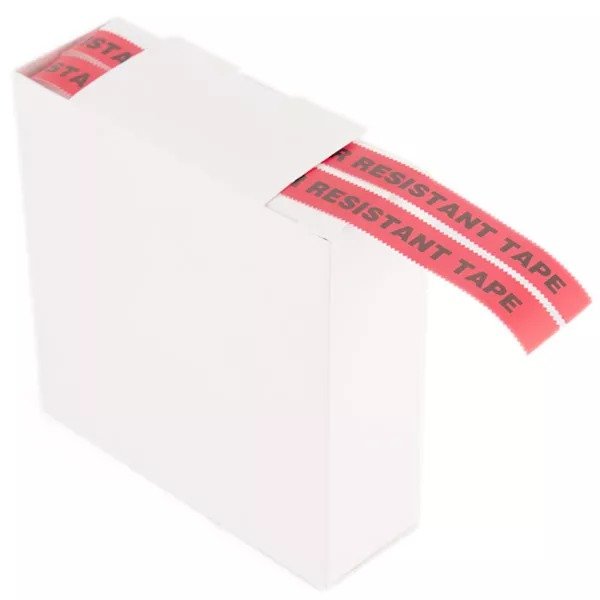
Yes, according to confirmed specifications. Options include dispenser boxes for hand application and rolls configured for labeling equipment. Saudi and Portuguese project requirements illustrate these different workflows. For machine use, confirm core diameter, roll diameter, winding direction, label spacing and liner width before approving production.
Q6: What are the MOQ, sample arrangements and production lead time?
Basic custom labels can start from 200 pieces, subject to specifications. Suitable generic samples are free; customers cover freight. Custom samples may be chargeable, with an agreed bulk-order credit available where applicable. EST confirms production timing in the quotation and PI after reviewing materials, quantity, artwork and packaging requirements.
Conclusion: Select Hospital Security Seals Through Application Testing
Choosing tamper evident seals for hospitals requires more than selecting a color or warning message. Buyers should confirm the application surface, desired removal effect, cleaning exposure, operating temperature and inspection procedure. Samples should demonstrate acceptable adhesion, readable information and visible opening evidence on the actual equipment or container.
For hospitals, laboratories and biotechnology companies, suitable labels can support identification and documented handovers. However, seal integrity does not establish sterility or replace approved handling procedures.
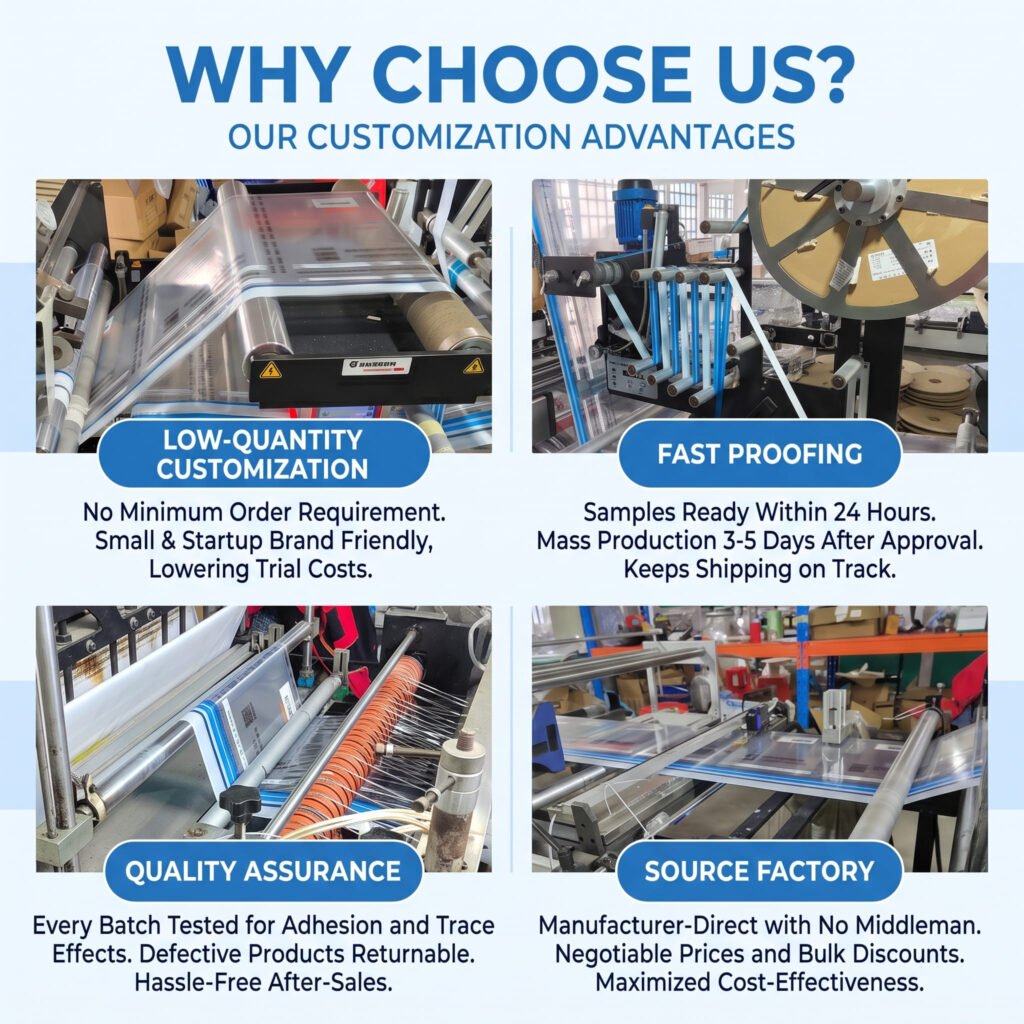
EcoSecurityTape offers free preliminary artwork, suitable generic samples and basic custom orders starting from 200 pieces, subject to specifications. Packaging options can be reviewed for manual dispensing or machine application.
Send EST your application photos, label dimensions, quantity, language requirements and delivery country for a project-specific recommendation and quotation. Sample freight is paid by the customer.
Email: info@ecosecuritytape.com
WhatsApp: +1 615 480 2757
Product Catalog: Download the EST Product Catalog

Focus on tamper evident packaging, free sample for test, small-batch MOQ, let’s have a talk.