The Importance of Specimen Transport Bags
In medical diagnostics, clinical testing, and biological research, the safe transportation of specimens is a critical step in ensuring accurate test results and preventing biological safety risks.
According to the technical specification provided by the Italian client (SCHEDA TECNICA – SACCHETTI MONOUSO PER TRASPORTO CAMPIONI), the core requirement focuses on single-use specimen transport bags for laboratory sample transportation. These bags are widely used in hospitals, pathology laboratories, forensic departments, and biological sample logistics, making them an essential medical consumable with stable demand across Europe.
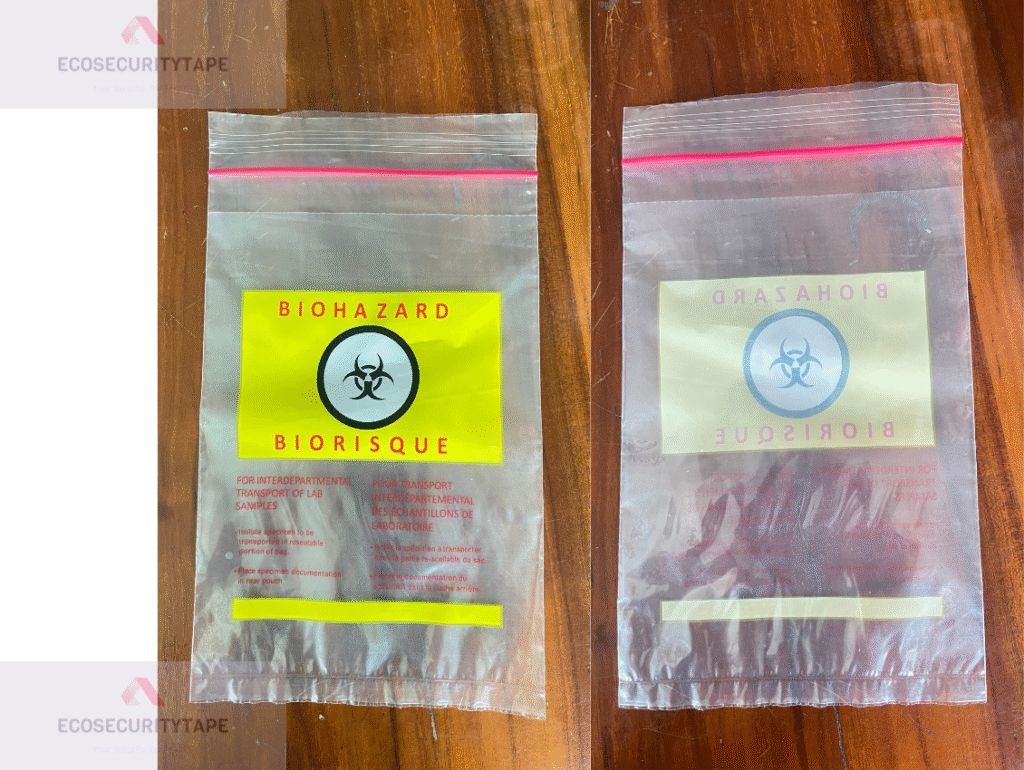
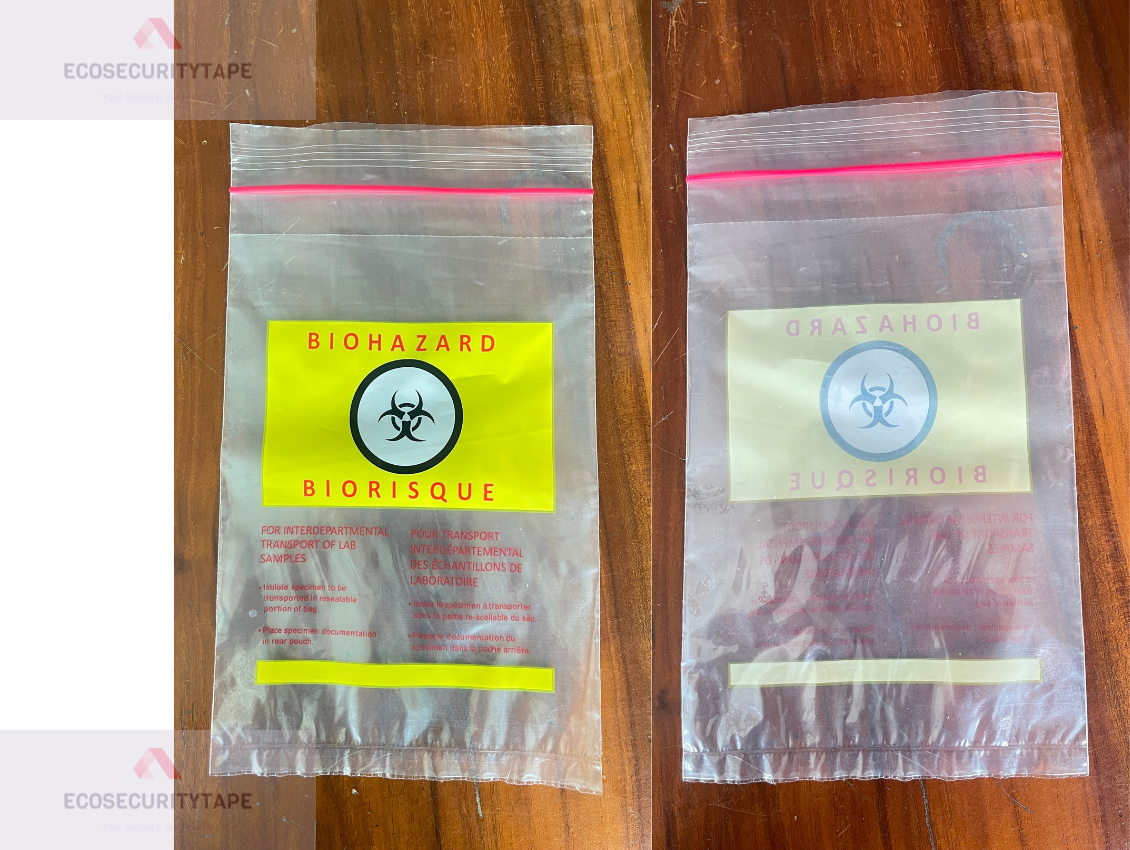
Whether transporting blood samples, urine samples, tissue specimens, or other biological materials, specialized specimen transport bags are required to ensure standardized packaging and safe handling. These bags are not only protective containers for specimens but also play a crucial role in preventing biological leakage, safeguarding healthcare personnel and the surrounding environment, and ensuring compliance with relevant European regulations.
Based on the specific technical requirements from the Italian client, this article provides a comprehensive overview of specimen transport bags used in medical laboratories. It covers their definition, application value, types, safety features, and supplier selection considerations.
The goal is to offer professional insights for medical institutions, laboratories, and industry professionals—especially medical consumable distributors, laboratory equipment companies, and hospital supply chain managers—while closely aligning with the purchasing needs of the Italian client.
What Are Specimen Transport Bags
Specimen Transport Bags (Italian: Sacchetto monouso per trasporto campioni) are specially designed sealed bags used in medical and laboratory environments to store and transport various biological specimens, including blood, body fluids, tissue samples, and microorganisms. Their primary function is to prevent specimen leakage and contamination while ensuring biological safety and sample integrity during transportation.
Unlike ordinary sealed bags, specimen transport bags must comply with relevant European industry standards, such as specimen transport packaging requirements and international air transport regulations (e.g., ICAO Doc 9284 PI602 packaging guidelines). These bags typically adopt a dual-compartment design consisting of a sample pouch and a document pouch, and they are usually printed with a biohazard symbol to indicate potential biological risks. The design also provides features such as leak resistance and enhanced durability to ensure safe sample handling.
Most disposable specimen transport bags use this sample pouch + document pouch structure, which closely aligns with the key requirements specified by the Italian client. This structure allows medical staff to safely transport samples while keeping accompanying documents—such as laboratory request forms and patient information—separate and protected. As a result, these bags are widely used for routine specimen transport in hospitals, pathology laboratories, forensic departments, and other biological testing environments. They also meet European industry standards, making them a common procurement item for medical consumable suppliers, laboratory equipment companies, and hospital supply chains.
It is also important to note that, according to the technical specifications provided by the Italian client, this product functions solely as a specimen transport packaging bag rather than a medical device. Therefore, it does not require CE marking, UDI identification, or sterilization. Instead, the focus is on reliable sealing protection and compliance with relevant European packaging and transportation standards, which fully aligns with regulatory requirements for circulation within the Italian and broader European markets.
Why Medical and Laboratory Facilities Use Specimen Transport Bags
During the specimen transportation process in medical laboratories, there are multiple risks, including contamination, leakage, and damage to sample integrity. As a critical protective tool, specimen transport bags play an essential role in minimizing these risks. Their importance can be understood from three key aspects, particularly in countries such as Italy and across Europe, where strict standards for biosafety and regulatory compliance are enforced.
First, they help prevent biological safety risks. Medical specimens may contain pathogenic microorganisms such as bacteria, viruses, and parasites. If leakage occurs during transportation, it could expose healthcare workers, laboratory staff, and transport personnel to infection, or contaminate the surrounding environment and other samples, potentially leading to public health risks. The sealed and protective design of specimen transport bags effectively prevents leakage, thereby safeguarding both personnel and the environment.
Second, they ensure the accuracy of laboratory testing. The integrity of a specimen directly determines the reliability of diagnostic results. If a sample leaks, becomes contaminated, or is mixed up with other specimens during transport, the test results may become inaccurate, which can negatively affect clinical diagnosis and research outcomes. Specimen transport bags are designed with strong sealing performance and material durability, helping isolate the specimen from external environmental factors and maintain its original condition, thereby ensuring reliable testing results.
Third, they support regulatory compliance in medical operations. The global healthcare industry has clear regulations governing the transportation of biological specimens. For example, various biosafety guidelines and international transport regulations require the use of compliant packaging when transporting biological samples. Using standardized specimen transport bags is therefore a fundamental requirement for medical institutions and laboratories to avoid legal risks and maintain compliant operations. It is also one of the key compliance considerations for collaboration with European partners, including Italian clients.
Types of Specimen Biohazard Bags Used in Laboratories
Depending on the hazard level of the specimen, transportation scenario, and structural design, laboratories commonly use several types of Specimen Biohazard Bags. These bags are designed to meet different specimen transportation needs and align with the technical requirements specified by the Italian client.
| Type | Description | Key Features | Typical Applications |
|---|---|---|---|
| Double-Layer Biohazard Bags | This is the most common basic type used in laboratories. It adopts a double-layer sealing structure, where the inner layer holds the specimen container and the outer layer provides additional protection. Even if the inner layer is damaged, the outer layer still maintains a sealed barrier to prevent leakage. | Printed biohazard symbol (Italian: simbolo “rischio biologico” ☣), leak-resistant design, available in orange (Arancio, Code 172030) or transparent (Trasparente, Code 172037) as requested by the Italian client. | Routine transport of biological samples in hospitals and laboratories. |
| Dual-Pocket Specimen Transport Bags | This design uses a sample pouch + document pouch structure, which closely matches the requirements outlined in the Italian client’s specification. The sample pouch (Tasca con cerniera) includes a ziplock seal and measures 15 × 17 cm for storing specimen containers. The document pouch (Tasca porta documenti) measures 15 × 23 cm and is used to store laboratory forms, patient records, or test reports. | Separate compartments for specimens and documentation, strong sealing performance, improved sample identification and information management, typical 95kPa specimen bag structure. | Widely used by hospitals, pathology laboratories, and forensic departments, especially for transporting multiple samples while keeping documentation organized. |
| Triple Packaging Specimen Bags | Designed for high-risk biological specimens, such as highly pathogenic microorganisms. This packaging system complies with Category A transport standards and includes three layers: a primary container, a secondary container (inner bag), and an outer protective packaging layer. | Each layer provides leak resistance and impact protection. Absorbent material is typically placed between layers to absorb leaked fluids if breakage occurs. | Long-distance transport of high-risk biological samples requiring strict biosafety protection. |
| Temperature-Resistant Specimen Bags | Specially designed for specimens that require extreme temperature conditions, such as frozen samples or heat-treated specimens. These bags are made from materials that maintain structural stability and sealing performance under temperature changes. | Temperature resistance typically ranges from −40°C to 121°C, preventing leakage or damage caused by thermal stress. | Transport of pathological tissues, microbial cultures, and other temperature-sensitive biological specimens. |
This classification allows laboratories and medical institutions to select the most suitable specimen transport bags according to the type of specimen, biosafety requirements, and transportation conditions, while also aligning with the practical procurement needs of hospitals, laboratory suppliers, and healthcare supply chains in the European market.
Key Safety Features in Specimen Transport Bags
The safety performance of specimen transport bags is essential for protecting both biological samples and personnel during transportation. In particular, European markets such as Italy maintain high biosafety standards, making it crucial for these bags to incorporate multiple protective features. The following eight key safety characteristics work together to create a comprehensive protection system.
1. Double Sealing Design
Specimen transport bags typically use self-sealing closures or heat-sealed technology to create a tight, gap-free seal that effectively prevents specimen leakage. Some bags are equipped with ziplock closures, which are easy to operate while providing stronger sealing performance. Even under pressure or vibration during transportation, the seal remains secure to prevent leakage.
2. Puncture-Resistant and Durable Material
According to the Italian client’s technical specification, the bags are manufactured using LDPE (Low-Density Polyethylene). This material offers excellent flexibility, puncture resistance, and durability. It is also waterproof and printable, allowing it to withstand compression, impact, and puncture during transportation without tearing. Additionally, LDPE complies with EC 1935/2004 and EC 10/2011 regulations for food-contact materials, making it an environmentally friendly material that is free from fluorescence and odor, ensuring it does not contaminate specimens.
3. Clear Biohazard Identification
As required by the client’s technical specification, each bag must display a visible biohazard symbol (☣) along with clear warning text. The symbol, known in Italian as simbolo “rischio biologico”, alerts personnel to handle the package carefully. The bags can be produced in orange (Code 172030) or transparent (Code 172037) versions depending on customer requirements. The orange option provides stronger visual warning and improves identification during handling.
4. Absorbent Protection Function
Some advanced specimen transport bags include an integrated absorbent pad or absorbent layer. If a specimen container breaks or leaks during transportation, the absorbent material quickly absorbs the liquid, preventing it from spreading and reducing the risk of contaminating other samples or the surrounding environment.
5. Temperature and Chemical Resistance
The materials used for specimen transport bags provide resistance to both high and low temperatures as well as chemical corrosion. This allows the bags to maintain structural stability in various transportation environments, including cold storage, high temperatures, or humid conditions. The material can also resist potential chemical agents or disinfectants that may be present in biological samples.
6. Anti-Mix-Up Identification Design
Specimen transport bags often include designated labeling areas where important information can be recorded, such as specimen name, identification number, collection date, and receiving personnel. Some bags can also be customized with barcodes or QR codes to facilitate specimen tracking and management, reducing the risk of sample mix-ups.
7. Regulatory Compliance
These bags are designed to comply with relevant international and European standards, including EC 1935/2004 and EC 10/2011 regulations related to LDPE materials. It is important to note that specimen transport bags function as sample transport packaging rather than medical devices. Therefore, they do not require CE marking, UDI identification, or sterilization, which aligns with the certification requirements outlined in the Italian client’s technical specification.
8. Fluorescence-Free and Odor-Free Materials
High-quality specimen transport bags use food-grade or medical-grade environmentally friendly materials that contain no fluorescent agents and produce no odor. This ensures that the packaging will not contaminate the specimens or interfere with laboratory testing results while also meeting environmental protection requirements.
Customization Options for Specimen Transport Bags
To meet the specific requirements of different medical institutions and laboratories—particularly the Italian client’s specifications regarding product size, identification, and regulatory compliance—specimen transport bags can be customized in multiple ways. The main customization options cover five key aspects that can be flexibly combined according to practical needs.
1. Size and Shape Customization
The bag dimensions are designed to strictly match the Italian client’s specifications. The sample pouch measures 15 × 17 cm and includes a secure ziplock closure, while the document pouch measures 15 × 23 cm. These sizes do not require further adjustment. The bag adopts a standard rectangular shape to ensure specimen containers fit securely inside, minimizing movement during transportation. This design also supports the client’s required “sample pouch + document pouch” dual-compartment structure.
2. Identification and Printing Customization
According to the client’s requirements, the bag must be printed with the biohazard symbol (☣), known in Italian as simbolo “rischio biologico”. No additional warning symbols are required. The bags can be produced in the two specified color options: orange (Arancio, Code 172030) or transparent (Trasparente, Code 172037). In addition, custom printing such as a company logo or brand name can be added for medical consumable distributors or laboratory equipment companies operating in the Italian market. A dedicated document pouch area is included for storing laboratory forms and patient information, eliminating the need for additional information fields on the bag.
3. Material and Structural Customization
The bags are manufactured using LDPE (Low-Density Polyethylene), which fully complies with the client’s technical requirements. This material offers flexibility, sealing performance, waterproof properties, and excellent printability. It also meets EC 1935/2004 and EC 10/2011 regulations for food-contact materials. Structurally, the bags follow the required “sample pouch with ziplock + document pouch” configuration, representing a typical 95kPa specimen transport bag structure, which precisely aligns with the client’s core requirements.
4. Sealing Method Customization
The sample pouch uses the ziplock sealing design specified by the client, which is easy to operate and provides strong sealing performance. This closure method prevents leakage even under compression or vibration during transportation, making it suitable for routine sample transport and short-distance logistics. Other sealing options, such as adhesive closures or heat sealing, are not required for this specification.
5. Compliance Customization
In accordance with the client’s technical specification, the product functions solely as specimen transport packaging and is not manufactured as a medical device. Therefore, it does not require CE marking, UDI identification, or sterilization. The material is fully compliant with EC 1935/2004 and EC 10/2011 regulations and aligns with relevant European industry standards. This ensures the product can circulate legally within the Italian market and supports the compliance requirements of medical consumable suppliers and hospital supply chains.
Benefits of Using Specimen Biohazard Bags for Sample Safety
For medical laboratories, using standardized specimen biohazard bags not only helps meet regulatory requirements but also provides multiple layers of safety protection and operational value. The core advantages can be summarized in the following four aspects, which align closely with the Italian client’s dual focus on safety and efficiency.
| Key Benefit | Description |
|---|---|
| Comprehensive Protection and Risk Reduction | The design of specimen biohazard bags typically includes double sealing, puncture resistance, and leak-proof protection, which effectively prevents specimen leakage and reduces the risk of pathogen transmission. This helps protect healthcare personnel, laboratory staff, and transportation workers while also preventing contamination of the environment and other specimens, thereby minimizing potential public health risks. |
| Preserving Sample Integrity and Improving Testing Accuracy | High-quality specimen biohazard bags provide excellent sealing performance and temperature resistance, which help isolate specimens from external environmental factors such as temperature changes, humidity, and contaminants. By maintaining the original condition of samples during transportation, these bags help ensure that laboratory test results remain accurate and reliable, supporting both clinical diagnosis and scientific research. |
| Standardized Management and Improved Operational Efficiency | Customizable labeling areas and identification features allow laboratories to record specimen information, track samples, and organize transportation more efficiently. This reduces the risk of sample mix-ups or loss. In addition, user-friendly sealing mechanisms enable faster packaging of samples, improving workflow efficiency in laboratories and healthcare institutions. |
| Regulatory Compliance and Reduced Legal Risk | Specimen biohazard bags are designed to comply with relevant international and regional biosafety regulations, including those widely followed in the European and Italian healthcare sectors. Using compliant packaging helps laboratories and medical institutions avoid legal risks associated with non-standard transport materials while supporting standardized operational practices and facilitating international collaboration. |
How Specimen Transport Bags Help Protect Medical Sample Integrity
The integrity of medical specimens is essential for ensuring accurate diagnostic results. Specimen transport bags protect sample integrity throughout the entire logistics process through multi-layer protection and carefully engineered design. Their role can be understood across three key stages of specimen handling, which also align with the strict requirements for specimen protection emphasized by the Italian client.
1. Packaging Stage
Specimen transport bags often use a double-layer or triple-layer structure to provide additional protection for specimen containers. This design helps prevent container damage caused by compression or impact during handling and transportation. Some bags also include absorbent materials, which can quickly absorb leaked liquids if a specimen container breaks. This prevents sample loss and contamination while minimizing the risk of the specimen coming into contact with external contaminants that could compromise its condition.
2. Transportation Stage
The materials used in specimen transport bags are typically resistant to temperature fluctuations and humidity, allowing them to perform reliably in various transportation environments, such as refrigerated transport, room-temperature logistics, or air transport. These bags also help reduce specimen movement during transit through well-fitted dimensions and protective internal layers, minimizing risks such as hemolysis, separation, or degradation that could occur due to excessive vibration or movement.
3. Storage Stage
Specimen transport bags provide strong sealing performance, which prevents contamination from external substances and limits exposure to air that may cause oxidation or deterioration of the sample. Certain temperature-resistant specimen bags can also be used for low-temperature storage, including freezing conditions, eliminating the need for additional packaging while helping maintain specimen integrity and reducing overall storage costs.
How to Choose a Reliable Specimen Transport Bags Supplier
The capability of a supplier directly determines the quality, safety, and compliance of specimen transport bags. For Italian clients, selecting a reliable supplier is crucial to ensure the safe transport of samples and meet regulatory requirements. Choosing the right supplier involves evaluating several key aspects to ensure that every batch of specimen transport bags meets technical and compliance standards.
Compliance and certifications are fundamental when sourcing specimen transport bags. It is essential to prioritize suppliers with medical consumable production qualifications that align with the technical requirements of Italian clients. Products should be made of LDPE and comply with EC 1935/2004 and EC 10/2011 regulations for food contact. Suppliers must clarify that these specimen transport bags are intended solely for sample transport and do not involve medical device certifications, such as CE marking, UDI, or sterile processing. Each batch should be accompanied by material test reports to verify safety and compliance, giving clients confidence in their use.
Technical strength and production capacity are equally critical for high-quality specimen transport bags. The supplier should have advanced production equipment and precise manufacturing processes to produce the required composite structure, including a “sample bag (15×17cm with a zipper) + document bag (15×23cm)” design, with accurately printed biohazard symbols. Suppliers must be capable of producing both orange (Code: 172030) and transparent (Code: 172037) versions in bulk while meeting minimum order quantities (2000 pieces per model) and offering flexible order adjustments to accommodate the varying needs of medical consumable suppliers, laboratory equipment companies, and hospital supply chains.
Quality control is vital to ensure the reliability of specimen transport bags. A reputable supplier implements strict quality control processes at every stage, from raw material procurement using eco-friendly, medical-grade LDPE to production and final inspection. Each step must be carefully monitored to guarantee batch consistency in sealing, temperature resistance, and durability, preventing any variation in product performance.
Industry experience and relevant case studies also play an important role in selecting a supplier of specimen transport bags. Suppliers with a proven track record serving medical laboratories or healthcare institutions—particularly those with European or Italian clients—are more likely to understand the regulatory and operational requirements. Familiarity with EC 1935/2004 and EC 10/2011 regulations, Italian industry rules, and the procurement needs of medical consumable suppliers, laboratory equipment companies, and hospital supply chains ensures that the supplier can deliver specimen transport bags that precisely meet technical specifications.
After-sales support and delivery assurance are critical components of a reliable supplier. Clients should confirm that the supplier provides timely technical assistance, including product usage guidance and compliance consultation, as well as rapid solutions for any quality issues. Clear delivery timelines and logistics plans are necessary to ensure that specimen transport bags arrive safely and on time in Italy, meeting minimum order quantities and minimizing supply chain delays, which is especially important for bulk orders destined for medical consumable suppliers or hospital supply chains.
Why Choose EcoSecurityTape Solutions
EcoSecurityTape Solutions has built deep expertise in the biosafety field over many years, with a strong understanding of compliance requirements in Italy and Europe. We provide high-quality specimen transport bags solutions to medical laboratories and healthcare institutions worldwide. Our core advantages—compliance, safety, customization, and attentive service—are reflected in every aspect of our operations, ensuring that Italian clients receive products precisely tailored to their needs.
We lead in compliance and fully meet the technical specifications of Italian clients. All our specimen transport bags are made of LDPE (low-density polyethylene) and comply with EC 1935/2004 and EC 10/2011 food contact regulations. They are free of fluorescence and odors, ensuring no contamination of samples. These bags are strictly for sample transport purposes and do not require medical device certifications, such as CE marking, UDI, or sterile processing. Each batch comes with a complete material test report, providing clients with full assurance of compliance. Additionally, we accurately produce the two color versions requested by clients (orange Code: 172030 and transparent Code: 172037), perfectly suited for local usage scenarios.
Quality is at the heart of our production process. We rigorously follow client technical specifications to manufacture specimen transport bags using medical-grade LDPE and high-precision production techniques. The bags feature a composite structure of “sample bag (15×17cm with zipper) + document bag (15×23cm),” representing a standard 95kPa biosample bag design. Each bag is printed with the ☣ biohazard symbol (Italian: simbolo “rischio biologico”) with sealing and anti-damage performance fully meeting required standards. A comprehensive quality control system oversees every stage, from raw material procurement to finished product dispatch, ensuring consistent, reliable quality and meeting client minimum order quantities of 2000 pieces per model.
Our specimen transport bags offer comprehensive customization to meet diverse procurement needs. Our professional R&D and design teams ensure all technical requirements of Italian clients are met without additional adjustments. We can also customize printing with exclusive logos or names based on client type, including medical consumable suppliers, laboratory equipment companies, and hospital supply chains. We support both small trial orders that meet the 2000-piece minimum and large-scale production, allowing clients to flexibly adjust order volumes for regular procurement or bulk supply.
We provide a full-service approach tailored to Italian procurement requirements. With extensive European client service experience, we are familiar with Italian logistics and industry regulations, and we understand the procurement challenges faced by medical consumable suppliers, laboratory equipment companies, and hospital supply chains. Our team offers timely compliance consultation and product usage guidance, supported by a professional after-sales team that responds quickly to client needs and resolves any product-related issues. Optimized international logistics ensure that specimen transport bags are delivered safely and on time, meeting minimum order requirements. This complete service enables Italian clients to confidently expand into hospitals, pathology labs, forensic departments, and other stable-demand markets.
EcoSecurityTape Solutions always places client needs at the center. By leveraging our deep expertise in medical biosafety, we provide high-quality, customized specimen transport bags that meet Italian clients’ technical requirements and minimum order quantities, supporting standardized procurement and market expansion.
If you have requirements for customized specimen transport bags, contact us for a tailored solution that ensures the safety and integrity of every sample.

Focus on tamper evident packaging, free sample for test, small-batch MOQ, let’s have a talk.