What Are Specimen Transport Bags?
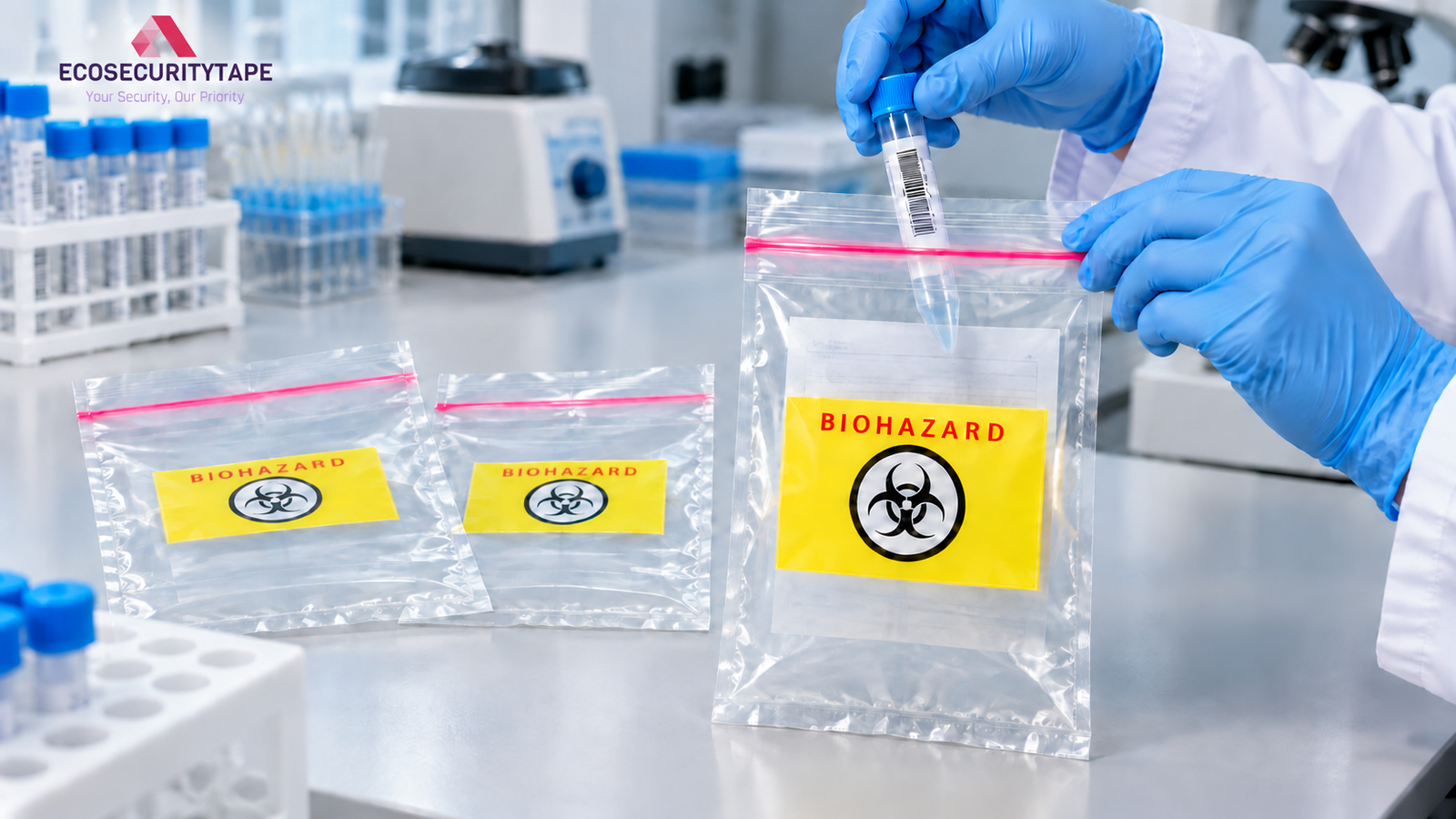
Specimen transport bags are secondary packaging used to hold sealed specimen tubes, vials or other primary containers during movement within hospitals, laboratories and collection facilities. They help contain accidental leakage, keep containers organized and support clear identification. They should not normally be used to hold loose blood, body fluids or tissue directly.
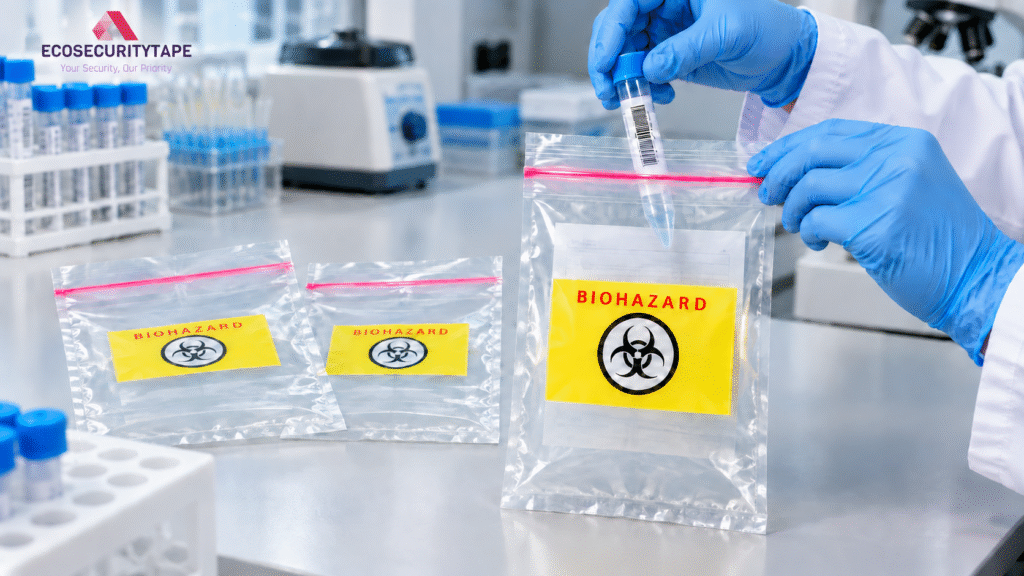
Common laboratory sample transport bags are made from transparent polyethylene and use a zip closure or tamper-evident seal. Some biohazard specimen bags include a printed biohazard symbol, handling instructions and an absorbent component when required. Specimen transport bags with document pouches keep request forms and patient information separate from the specimen container, helping reduce mix-ups and protect paperwork.
The required construction depends on the specimen, transport route and the buyer’s operating procedures. A specimen bag alone does not automatically make a shipment compliant. The CDC describes specimen packaging as a system involving a primary receptacle, secondary packaging and outer packaging.
EcoSecurityTape can customize medical specimen bags by size, thickness, color, closure type, logo, warning text and document-pocket design. We are currently discussing a custom project with a Portuguese buyer involving red and yellow bag versions and different procurement quantities.
Before quotation, buyers should provide the dimensions, quantity, thickness, artwork, closure requirements, intended contents and destination. We can then evaluate a suitable structure, prepare preliminary artwork and arrange sample testing when appropriate.
Why Hospitals and Laboratories Use Specimen Transport Bags
Hospitals and laboratories use specimen transport bags to move sealed sample tubes and containers while reducing the risk of leakage, cross-contamination and misidentification. Because specimens may contain bacteria, viruses or other potentially infectious materials, suitable secondary packaging helps protect healthcare workers, couriers and the surrounding environment when used as part of a controlled handling procedure.
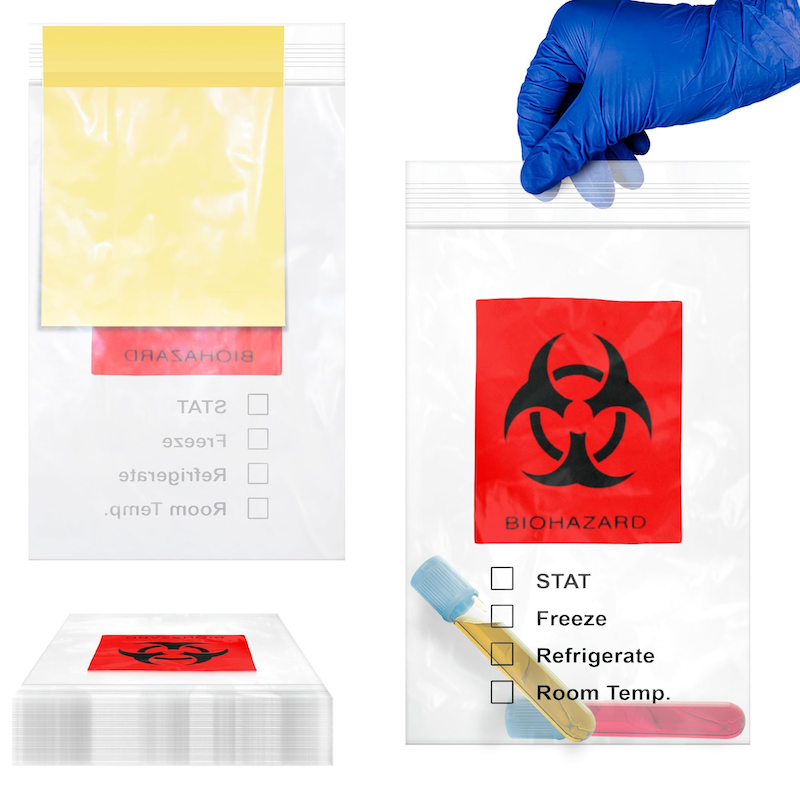
Reliable laboratory sample transport bags should provide appropriate leak resistance, tear and puncture resistance, clear biohazard identification and secure closure. Many biohazard specimen bags also include a separate document pouch to keep request forms away from the sample container. Material selection should consider the specimen type, transport time, temperature, expected handling conditions and the hospital’s cleaning, disinfection or sterilization procedure.
EcoSecurityTape can customize medical specimen bags by size, film thickness, closure, printing, warning symbols and document-pocket structure. Recyclable or biodegradable materials can also be evaluated, but their barrier strength and compatibility with the required disinfection or sterilization method must be confirmed before production.
A current Portuguese healthcare project illustrates why medical transport should be considered as a complete system. The buyer is evaluating a reusable insulated container for temperature-sensitive hospital products, with a sealed inner compartment, cold packs and a configuration designed for controlled 2–8°C transport. Depending on the application, custom specimen transport bags can provide secondary containment inside an insulated outer box, while the box, cold packs and temperature-monitoring device manage temperature protection.
Before quoting, EST confirms the bag dimensions, material, thickness, closure, printing, quantity, transport conditions and required treatment method. Sample testing is recommended before bulk production.
Types of Specimen Biohazard Bags Used in Laboratories
Laboratories select specimen transport bags according to the specimen container, leakage risk, documentation requirements, transport distance and temperature conditions. Common options include:
| Type | Main Structure | Typical Use |
|---|---|---|
| Double-Bag Containment | One sealed bag placed inside a second protective bag | Higher-risk samples requiring additional secondary containment |
| Dual-Pocket Specimen Bag | Separate compartments for the specimen and paperwork | Routine hospital, laboratory and pathology transport |
| Triple-Packaging System | Primary receptacle, secondary packaging and rigid outer packaging | Regulated or long-distance biological specimen transport |
| Temperature-Compatible Bag | Film and closure selected for the required temperature range | Samples transported inside refrigerated or insulated containers |
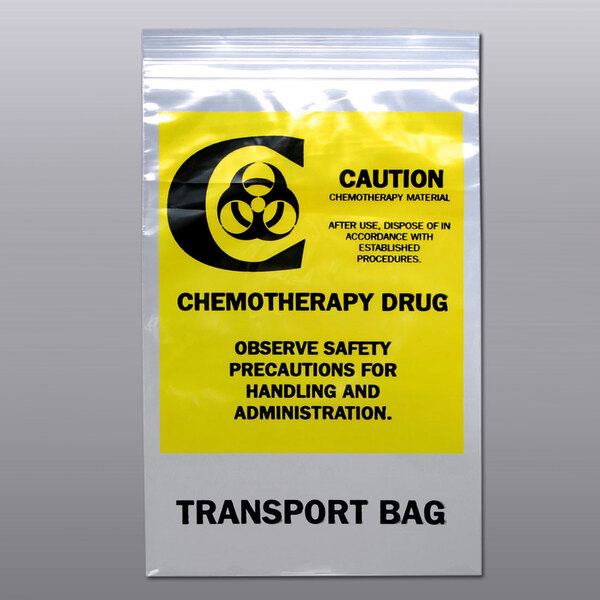
Dual-pocket laboratory sample transport bags help keep request forms and patient documents separate from sealed specimen containers. The Italian project, for example, requested orange and transparent biohazard specimen bags with a specimen compartment, document pouch and clearly printed biohazard symbol.
A bag should not be described as 95 kPa compliant or suitable for freezing, heating or sterilization unless the specific material and closure have been tested accordingly. EcoSecurityTape can develop custom specimen transport bags based on the required size, thickness, color, closure, printing and document-pocket design. Buyers should provide the specimen type, container dimensions, transport temperature, quantity and applicable testing requirements before ordering medical specimen bags.
Key Safety Features in Specimen Transport Bags
The safety performance of specimen transport bags is essential for protecting both biological samples and personnel during transportation. In particular, European markets such as Italy maintain high biosafety standards, making it crucial for these bags to incorporate multiple protective features. The following eight key safety characteristics work together to create a comprehensive protection system.
1. Double Sealing Design
Specimen transport bags typically use self-sealing closures or heat-sealed technology to create a tight, gap-free seal that effectively prevents specimen leakage. Some bags are equipped with ziplock closures, which are easy to operate while providing stronger sealing performance. Even under pressure or vibration during transportation, the seal remains secure to prevent leakage.
2. Puncture-Resistant and Durable Material
According to the Italian client’s technical specification, the bags are manufactured using LDPE (Low-Density Polyethylene). This material offers excellent flexibility, puncture resistance, and durability. It is also waterproof and printable, allowing it to withstand compression, impact, and puncture during transportation without tearing. Additionally, LDPE complies with EC 1935/2004 and EC 10/2011 regulations for food-contact materials, making it an environmentally friendly material that is free from fluorescence and odor, ensuring it does not contaminate specimens.
3. Clear Biohazard Identification
As required by the client’s technical specification, each bag must display a visible biohazard symbol (☣) along with clear warning text. The symbol, known in Italian as simbolo “rischio biologico”, alerts personnel to handle the package carefully. The bags can be produced in orange (Code 172030) or transparent (Code 172037) versions depending on customer requirements. The orange option provides stronger visual warning and improves identification during handling.
4. Absorbent Protection Function
Some advanced specimen transport bags include an integrated absorbent pad or absorbent layer. If a specimen container breaks or leaks during transportation, the absorbent material quickly absorbs the liquid, preventing it from spreading and reducing the risk of contaminating other samples or the surrounding environment.
5. Temperature and Chemical Resistance
The materials used for specimen transport bags provide resistance to both high and low temperatures as well as chemical corrosion. This allows the bags to maintain structural stability in various transportation environments, including cold storage, high temperatures, or humid conditions. The material can also resist potential chemical agents or disinfectants that may be present in biological samples.
6. Anti-Mix-Up Identification Design
Specimen transport bags often include designated labeling areas where important information can be recorded, such as specimen name, identification number, collection date, and receiving personnel. Some bags can also be customized with barcodes or QR codes to facilitate specimen tracking and management, reducing the risk of sample mix-ups.
7. Regulatory Compliance
These bags are designed to comply with relevant international and European standards, including EC 1935/2004 and EC 10/2011 regulations related to LDPE materials. It is important to note that specimen transport bags function as sample transport packaging rather than medical devices. Therefore, they do not require CE marking, UDI identification, or sterilization, which aligns with the certification requirements outlined in the Italian client’s technical specification.
8. Fluorescence-Free and Odor-Free Materials
High-quality specimen transport bags use food-grade or medical-grade environmentally friendly materials that contain no fluorescent agents and produce no odor. This ensures that the packaging will not contaminate the specimens or interfere with laboratory testing results while also meeting environmental protection requirements.
Customization Options for Specimen Transport Bags
EcoSecurityTape can develop custom specimen transport bags according to each hospital, laboratory or medical distributor’s operating requirements. Buyers should provide the bag dimensions, film thickness, color, quantity, closure method, logo and required printed information before quotation.
Customization options include transparent or colored film, ziplock or adhesive closures, separate document pouches, biohazard symbols, serial numbers and custom branding. Biohazard specimen bags can also be printed in English, Italian, Portuguese, Arabic or other languages required by the destination market. For example, an Italian project specified an orange or transparent bag with a 15 × 17 cm specimen compartment and a 15 × 23 cm document pouch.
After receiving the dimensions, logo and text, EST can prepare a preliminary artwork layout free of charge. This helps buyers check the positioning, language and identification details before production. Available stock samples can also be supplied free for material and closure testing; the buyer only pays the courier cost. Small trial orders can be evaluated to reduce the purchasing risk for new projects.
Most regular laboratory sample transport bags and medical specimen bags can be produced within 10–15 working days after artwork and payment confirmation. International courier delivery normally takes approximately 5–10 working days to many major destinations, subject to customs clearance.
Any requirements for 95 kPa performance, leak resistance, sterilization or regulatory compliance must be confirmed through project-specific materials and test documents.
How Specimen Biohazard Bags Protect Samples, Staff and the Environment
From a hospital or laboratory buyer’s perspective, the purpose of specimen transport bags is to reduce preventable risks during packing, internal transfer and delivery. A leaking or incorrectly identified specimen can expose staff to potentially infectious material, contaminate other samples or surfaces, delay testing and contribute to medical incidents.
| Transport Risk | Protective Feature | Practical Benefit |
|---|---|---|
| Leakage and cross-contamination | Secure closure, leak-resistant film and optional absorbent material | Helps contain liquids and reduce exposure to bacteria, viruses and other biological material |
| Specimen misidentification | Separate document pouch, printed fields, barcode or serial number | Keeps paperwork organized and supports correct sample identification |
| Tearing or puncture | Suitable film thickness and durable seams | Reduces packaging damage during handling and transport |
| Uncontrolled handover | Tamper-evident closure and traceable identification | Supports inspection, accountability and chain-of-custody procedures |
Biohazard specimen bags do not sterilize their contents or independently control temperature. Temperature-sensitive specimens still require suitable primary containers, validated cold-chain packaging and appropriate handling procedures. The bag provides secondary containment and identification within that wider transport system.
When sourcing laboratory sample transport bags, buyers should confirm the specimen container, bag dimensions, material thickness, closure, transport temperature and disposal procedure. EcoSecurityTape can develop custom specimen transport bags with biohazard printing, document pouches, logos and multilingual instructions.
Before ordering medical specimen bags in bulk, testing samples with the actual container is recommended. Requirements involving 95 kPa performance, sterilization, leak resistance or regulatory compliance should be supported by product-specific test documents rather than general supplier claims.
FAQ About Specimen Transport Bags
1. Can specimen transport bags be customized?
Yes. EcoSecurityTape can customize the dimensions, film thickness, color, closure, document pouch, logo, biohazard symbol and printed language. Buyers should provide the required specifications, quantity and intended use before quotation.
2. Can I test samples before placing a bulk order?
Yes. When suitable stock biohazard specimen bags are available, samples can be provided free of charge. Buyers only cover the courier cost and should test them with the actual specimen containers.
3. What is the MOQ for custom specimen transport bags?
The MOQ depends on the material, size, printing and bag structure. EcoSecurityTape can evaluate small trial orders, helping hospitals, distributors and startups reduce their initial sourcing risk.
4. How long do production and delivery take?
Regular laboratory sample transport bags normally require 10–15 working days after payment and artwork approval. International courier delivery usually takes approximately 5–10 working days to many major destinations.
5. How does EcoSecurityTape support new projects?
We provide free preliminary artwork, responsive email and WhatsApp communication, specification review and logistics tracking. EcoSecurityTape can also privately share suitable non-confidential photos and videos from previous medical specimen bag and custom packaging projects to help buyers compare available solutions.
How to Choose a Reliable Specimen Transport Bag Supplier
A reliable supplier of specimen transport bags should demonstrate relevant project experience, customization capability, clear quality control and dependable delivery—not simply offer a low price.
First, ask whether the supplier has handled laboratory sample transport bags, biohazard specimen bags or other healthcare packaging projects. Because many customer projects cannot be published on websites or social media, the supplier should be able to share suitable non-confidential photos or videos privately by email or WhatsApp. This helps buyers verify actual project experience and compare bag structures, closures and printing.
The supplier should also understand the buyer’s dimensions, film thickness, quantity, logo, language, document-pocket design and required sealing method. EcoSecurityTape can prepare a preliminary artwork layout and provide a project-specific quotation after these details are confirmed. Multilingual printing and custom specimen transport bags can be evaluated for different national markets.
Not every buyer needs a large initial order. Support for small trial quantities and stock-sample testing allows hospitals, distributors and startups to evaluate the material, seal and fit before bulk procurement. Available stock samples can be supplied free of charge, with the buyer covering courier costs.
Finally, buyers should request only the certifications and test documents relevant to their intended use. Requirements involving material safety, leak resistance, 95 kPa performance, sterilization or medical-device status must be confirmed individually. A reliable medical specimen bag supplier should state clearly what has been tested and avoid unsupported compliance claims.
Why Choose EcoSecurityTape for Specimen Transport Bags
Choosing a supplier based only on the lowest price can increase the risk of unsuitable materials, weak closures, printing errors and delayed delivery. Buyers should instead evaluate whether the supplier can manage design, sampling, customization, quality checks and international logistics as one coordinated project.
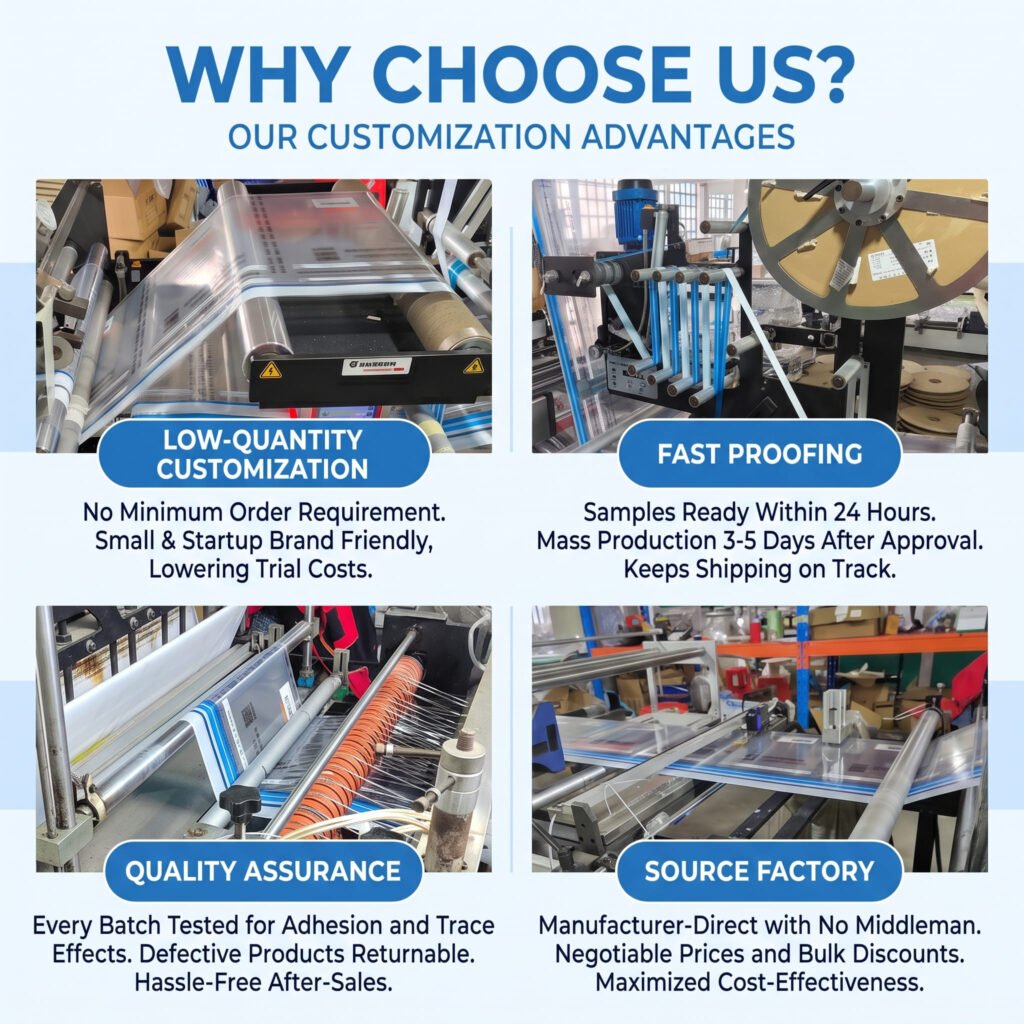
EcoSecurityTape develops custom specimen transport bags according to the buyer’s dimensions, film thickness, quantity, closure, logo, document-pocket structure and language requirements. Our main B2B advantages include:
- Free preliminary artwork: Provide your dimensions, logo and printed text, and we can prepare an initial layout for review.
- Free stock-sample testing: Suitable available samples can be supplied free of charge; the buyer only covers courier costs.
- Small trial orders: Lower quantities can be evaluated to help hospitals, distributors and startups test biohazard specimen bags before regular procurement.
- Flexible customization: We support multilingual printing, biohazard symbols, document pouches, serial numbers and different closure options for laboratory sample transport bags.
- Efficient production and delivery: Regular customized medical specimen bags are normally produced within 10–15 working days after artwork and payment confirmation. Courier delivery usually takes approximately 5–10 working days to many major destinations.
- Project-specific documentation: Required material reports, leak-resistance tests, 95 kPa evidence or other compliance documents are reviewed according to the specific product—not assumed for every bag.
EcoSecurityTape can also share suitable non-confidential project photos and videos privately by email or WhatsApp, helping buyers compare structures before ordering specimen transport bags.
Planning a custom project? Contact EcoSecurityTape for samples, artwork and a project-specific quotation.
Email: info@ecosecuritytape.com
WhatsApp: +1 615 480 2757
Conclusion
The practical market for specimen transport bags continues to develop as healthcare systems serve more patients and place greater emphasis on diagnostic testing, infection control, medical disinfection and safer sample handling. Hospitals and laboratories regularly consume these products, so qualified biohazard specimen bags may generate recurring procurement rather than a single purchase when they perform reliably in daily use.
However, requirements vary by country, hospital and application. Buyers may need different dimensions, film thicknesses, closures, document pouches, languages, biohazard markings or supporting test documents. Laboratory sample transport bags used for routine internal transfer may differ significantly from packaging intended for cold-chain or regulated transportation. Therefore, specifications should be confirmed before production rather than copied directly from another project.
EcoSecurityTape has handled inquiries and custom bag projects involving buyers in more than 50 countries. This experience helps us understand different procurement processes and recommend suitable structures for distributors, laboratories, hospitals and other B2B buyers. We can also prepare preliminary artwork based on the buyer’s dimensions, logo and printed information.
Planning to source custom specimen transport bags or medical specimen bags? Where suitable stock samples are available, EcoSecurityTape can provide them free of charge for initial testing, with the buyer covering courier costs. After testing the material, closure and size, buyers can proceed with a customized bulk order with greater confidence.
Email: info@ecosecuritytape.com
WhatsApp: +1 615 480 2757

Focus on tamper evident packaging, free sample for test, small-batch MOQ, let’s have a talk.