Why PACK EXPO International 2026 Matters to Security Packaging Buyers
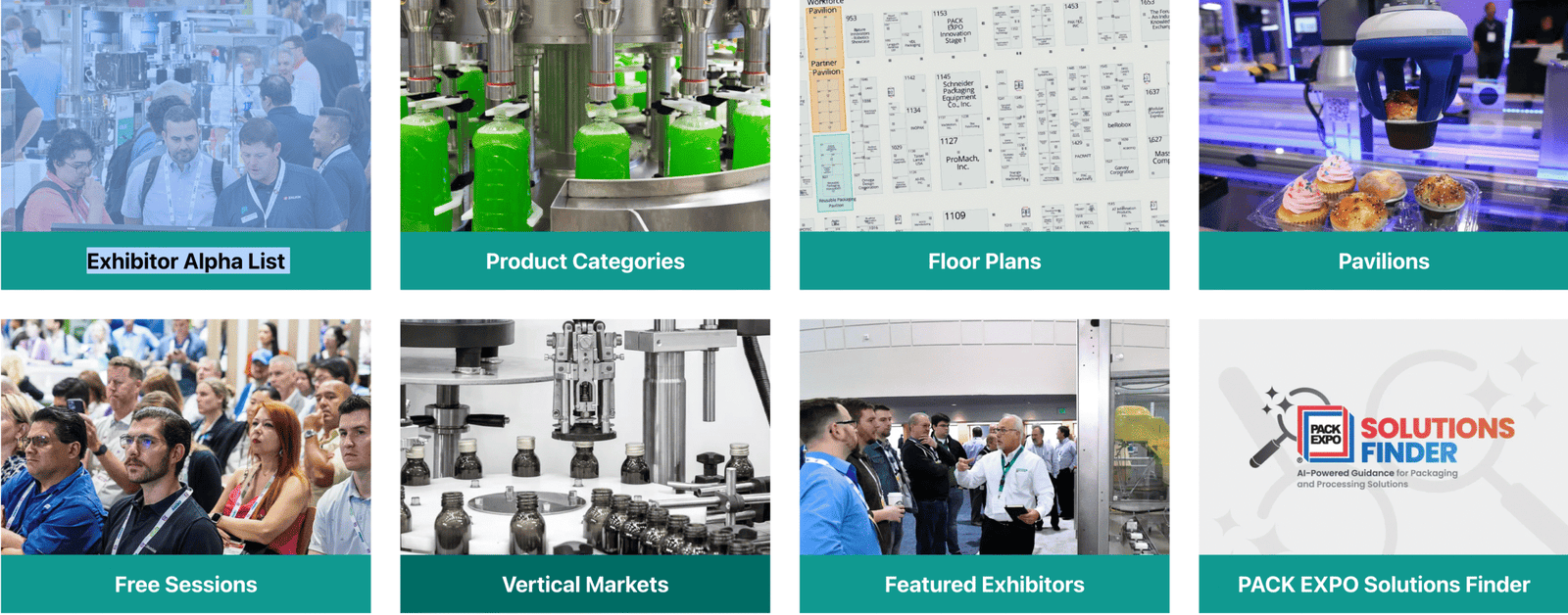
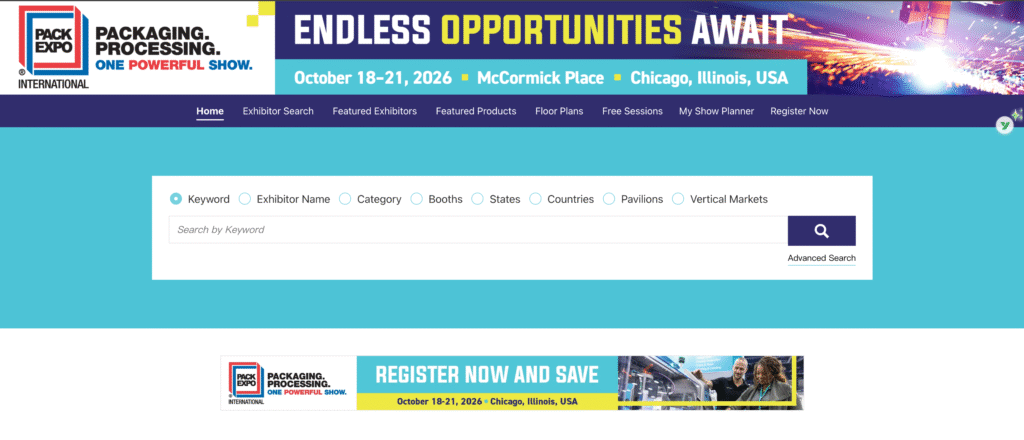
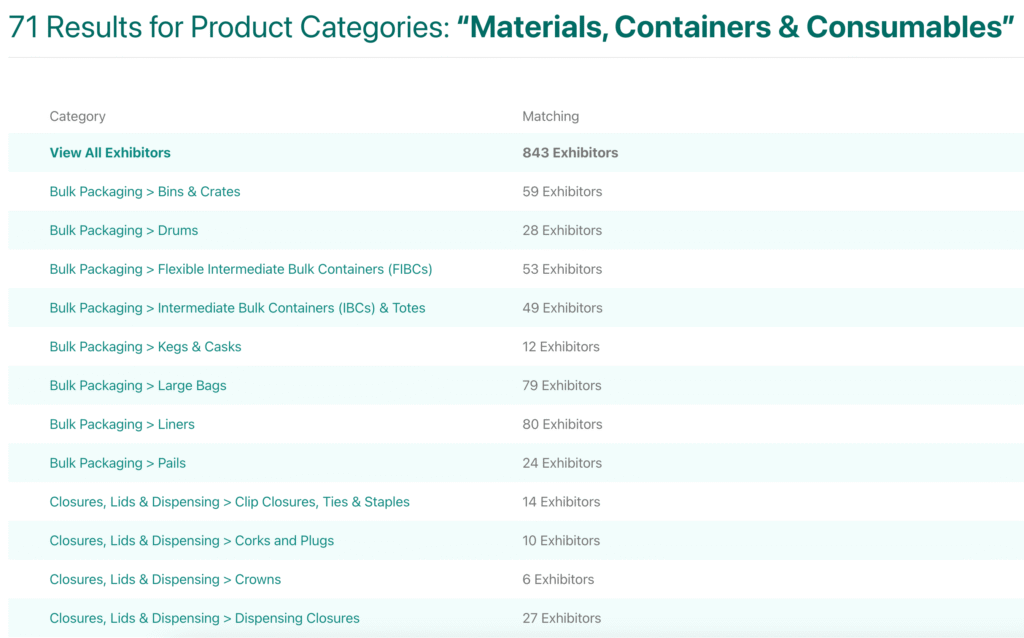
PACK EXPO International 2026 will take place at McCormick Place in Chicago from October 18–21, 2026. The event is expected to bring together 2,600 exhibitors and packaging professionals from more than 40 vertical markets, giving buyers an opportunity to compare machinery, materials, printing systems and packaging technologies in one location.
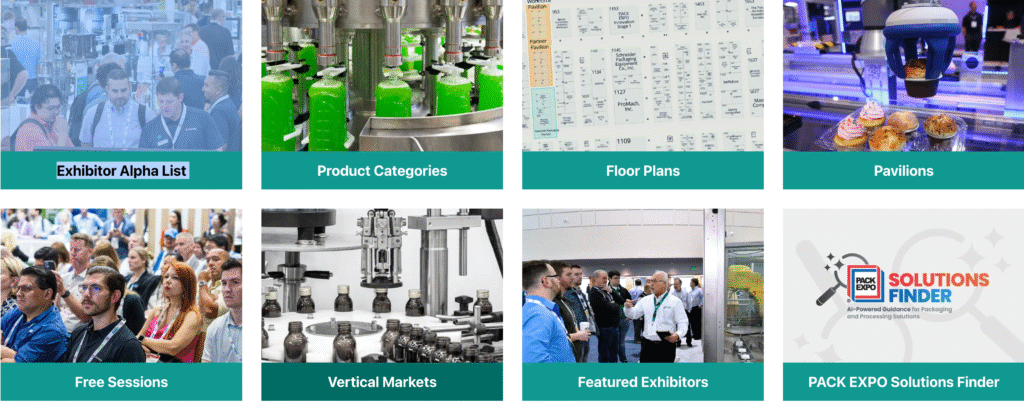
For security packaging buyers, the show is relevant for more than conventional packaging equipment. Its 2026 Discovery Tours include dedicated sessions on Labels, Labeling and Printing and Digital Transformation. These subjects reflect practical sourcing priorities: creating visible evidence of opening, applying serial numbers or unique QR codes, connecting physical packaging with digital records, and improving traceability across production, logistics and after-sales service.
This article is EcoSecurityTape’s independent B2B analysis based on publicly available PACK EXPO International 2026 information. It focuses on how buyers can evaluate tamper-evident labels, security tape, security bags and variable-data solutions for real applications. EcoSecurityTape is not an exhibitor, event partner or representative of PACK EXPO International or PMMI, and the trends discussed below are our purchasing interpretation rather than official event recommendations.
Trend 1: Visible Tamper Evidence Becomes Easier to Inspect
Tamper evidence is a visible and irreversible sign that a label, seal or package has been removed, opened or interfered with. Among the security packaging trends relevant to PACK EXPO International 2026, easier visual inspection is especially important because warehouse, service and event staff must often identify interference without special equipment.
Full-transfer VOID labels leave the complete warning message and adhesive layer on the application surface after removal. Partial-transfer labels divide the message between the label and the surface, allowing both parts to show evidence. Non-transfer VOID labels reveal a hidden message within the label while leaving little or no printed residue on the product. Destructible paper labels work differently: they tear into small pieces when removal is attempted and cannot normally be reapplied intact.
Buyers should not select tamper-evident packaging only by appearance. The correct structure depends on whether the surface is metal, glass, coated paper or flexible plastic, whether adhesive residue is acceptable, and how employees will inspect and record a broken seal. Sample testing on the actual surface is recommended before ordering custom security packaging.
A recent U.S. customer completed payment for 500 custom destructible paper warning labels for trial use on flexible plastic bags at a trade show. Despite the small quantity, EcoSecurityTape prepared the preliminary artwork layout free of charge before production. This project shows how a low-quantity trial can help buyers verify adhesion, print clarity and removal performance before placing a larger order. Buyers considering packaging traceability can also add serial numbers, barcodes or QR codes to selected VOID security labels.
Trend 2: Packaging Traceability Moves from Fixed Codes to Unique Data
Packaging traceability is the ability to identify an item and connect it with production, inventory, delivery or service records. As PACK EXPO International 2026 highlights digital transformation alongside labeling and printing, moving from shared codes to item-level data is becoming one of the most relevant security packaging trends for B2B buyers.
A fixed QR code contains the same information on every label. It is suitable for product instructions, contact details or a shared webpage, but it cannot distinguish one item from another. A unique QR code assigns different data to every label and can connect each product to an individual record, such as its batch, warranty status, inspection history or service page.
Serial numbers provide a simple human-readable identity for inventory checks and warranty control. Barcodes can contain fixed or variable data and are practical when a warehouse already uses compatible scanners. RFID allows electronic, non-contact identification and may support faster reading of multiple items, but buyers must confirm tag cost, reading distance, system compatibility and the application surface.
Unique data alone does not provide tamper evidence because a printed code may still be copied or removed. For stronger packaging traceability, buyers can combine serial numbers, barcodes or unique QR codes with tamper-evident packaging such as VOID or destructible labels. When planning custom security packaging, they should also define who creates the data, how it will be verified and whether a database or software platform is required.
| Data Carrier | Data Type | Typical B2B Use |
|---|---|---|
| Serial number | Human-readable unique ID | Inventory and warranty control |
| Barcode | Fixed or variable data | Warehouse and logistics scanning |
| QR code | Fixed or unique digital link | Authentication and service records |
| RFID | Electronic identification | Automated asset tracking |
Trend 3: Security Labels Combine Physical Evidence with Digital Identity
A security label can provide two complementary functions: physical evidence shows that removal has been attempted, while digital identity connects the labeled item to a record. This combination is one of the practical security packaging trends buyers may evaluate around PACK EXPO International 2026.
Non-transfer VOID labels reveal a hidden message within the label when removed while leaving little or no printed residue on the surface. Serial numbers give each boiler, automotive component, battery or electronic device a readable identity. Barcodes and QR codes can support inventory checks or connect authorized staff with product, warranty, inspection or service records. For packaging traceability, buyers using unique codes must define the data format, numbering sequence and verification process before production.
EcoSecurityTape supplied non-transfer VOID labels to a Swiss customer for boilers and other large equipment used in inventory management. The customer had previously purchased VOID security tape and returned approximately one month later after confirming its tamper-evident performance.
A first-time U.S. customer also ordered non-transfer VOID labels for automotive parts. EcoSecurityTape shared several non-confidential product images through WhatsApp, helping the customer compare structures and choose a suitable label before ordering.
These cases show how tamper-evident packaging can support removal checks, inventory control and after-sales identification. Buyers planning custom security packaging should confirm the application surface, residue limits, label size, required data and inspection workflow.
| Application | Physical Evidence | Digital or Identification Function |
|---|---|---|
| Boilers and large equipment | Non-transfer VOID message | Inventory number or QR record |
| Automotive parts | Removal evidence without printed residue | Part and warranty identification |
| Batteries | VOID or destructible response | Serial number and service history |
| Electronic devices | Visible evidence of label removal | Asset, inspection or repair records |
Trend 4: Security Tape Protects Cartons, Doors and Long Sealing Areas
Security labels and security tape both provide visible evidence of removal, but they protect different sealing areas. As buyers review security packaging trends around PACK EXPO International 2026, selecting the correct format is more important than simply choosing the strongest adhesive.
Security labels are better for small closures, individual components and equipment surfaces. They can be applied to batteries, automotive parts, electronics or small package openings where each item may require its own serial number or QR code. Security tape is more suitable for carton seams, warehouse doors, pallets, reusable containers and other long sealing areas that cannot be covered efficiently by a small label.
VOID security tape can be customized with a company logo, warning text, repeating VOID messages, colors and sequential numbers. Full-transfer tape leaves the security message and adhesive layer on the surface, while partial-transfer structures divide the evidence between the tape and the protected surface. Testing is necessary because cardboard, painted metal, plastic and coated surfaces may respond differently.
For an Iraqi carton-packaging project, EcoSecurityTape supplied ten sample rolls of red and blue generic VOID tape for testing before the customer considered a larger order. The samples allowed the buyer to evaluate adhesion, message visibility and carton compatibility without committing to custom production.
Security tape can also support packaging traceability when sequential numbers, barcodes or variable information are printed on selected structures. Buyers planning custom security packaging should provide the sealing length, surface, tape width, roll length, quantity, artwork and required transfer effect.
Trend 5: Security Bags Support Chain of Custody and Controlled Handling
Security bags support chain of custody by enclosing an item and providing a controlled method for sealing, transporting, receiving and documenting it. Among the security packaging trends relevant to PACK EXPO International 2026, bags are especially useful when protected contents move between people, departments or locations.
Evidence bags may hold documents, samples or physical evidence and include writable panels, tear-off receipts and sequential numbers. Cash and document bags support transfers between stores, banks, offices or transport teams. Specimen bags separate and identify samples, while duty-free security tamper-evident bags (STEBs) are intended for applicable airport and travel-retail procedures. Serialized closures can support packaging traceability by linking each bag to a handover record, shipment or case number.
EcoSecurityTape completed a 3,000-piece custom cash-bag order for a Turkish customer, including sequential numbering from 0001 to 3000. For a Saudi evidence-bag project, we prepared quotations for transparent and Arabic-printed options with different sizes and security requirements. A Brazilian forensic evidence-bag project remains under evaluation and involves several bag formats and a specialized closure component. These examples represent different project stages and should not all be treated as completed orders.
Security bags are appropriate when an item must be enclosed, transported and handed over. Labels and tape are normally better for small closures, carton seams or equipment surfaces. Buyers planning custom security packaging should confirm the material, dimensions, thickness, closure, numbering, printed fields and required documentation. Tamper-evident packaging should not be assumed to meet a legal, forensic, medical or aviation standard unless the specific product documents and test requirements have been reviewed.
Trend 6: Materials and Adhesives Must Match the Application Surface
Label performance depends on the relationship between the face material, adhesive and application surface. Among the security packaging trends relevant to PACK EXPO International 2026, surface testing remains essential because the same label may perform differently on metal, plastic, glass, coated surfaces, paperboard, or rough and curved components.
Smooth glass and metal may provide consistent contact, but oil, dust or release agents can reduce adhesion. Low-surface-energy plastics may require a different adhesive from coated paperboard. Rough surfaces reduce the bonding area, while curved products can cause label edges to lift. Application and operating temperatures also affect bonding and how the VOID message appears after removal.
Before EcoSecurityTape recommends tamper-evident packaging, buyers should provide the exact application surface, operating temperature, expected service life and whether residue is acceptable. They should identify any oil, coating or texture and confirm whether removal must produce full-transfer, partial-transfer, non-transfer or destructible evidence.
EcoSecurityTape can then share relevant non-confidential images from previous projects. A quotation for custom security packaging also requires the label dimensions, quantity, logo or artwork, colors, adhesive requirements and any serial number, barcode or QR-code data needed for packaging traceability.
When suitable stock materials are available, samples can be provided free of charge for testing, while the buyer covers courier costs. Testing on the actual product reduces the risk of selecting the wrong material or adhesive. ASTM D6252/D6252M describes a 90-degree peel-adhesion test for pressure-sensitive label stock and can be used as a technical reference; this does not mean that EcoSecurityTape products are certified to the standard.
Trend 7: Short-Run Customization Reduces Sourcing Risk
Short-run customization helps B2B buyers test materials and application performance before committing to a larger order. Among the security packaging trends relevant to PACK EXPO International 2026, flexible minimum quantities are valuable for start-ups, product launches, trade shows and first-time sourcing projects.
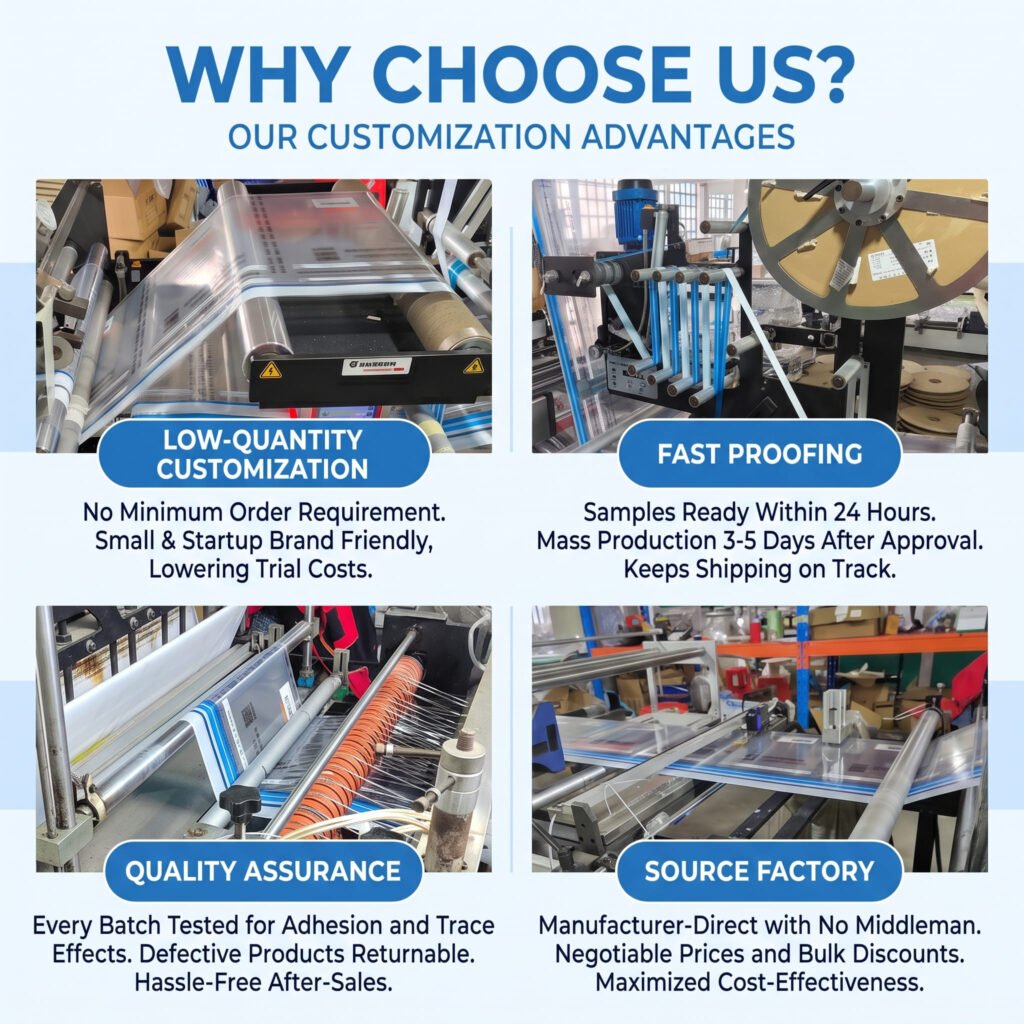
For selected custom security label projects, EcoSecurityTape can support an MOQ from 500 pieces. A recent U.S. customer completed payment for 500 destructible paper warning labels for use on flexible plastic bags at a trade show. EcoSecurityTape prepared the preliminary artwork layout free of charge, allowing the customer to review the size, warning text and print arrangement before production.
MOQ depends on the product structure. Custom VOID security tape can start from approximately 100 rolls for selected specifications, while security bags normally require higher quantities because of film, printing, sealing and closure setup. Although many custom cash-bag projects begin from 10,000 pieces or more, EcoSecurityTape completed a 3,000-piece order for a Turkish customer with sequential numbering from 0001 to 3000. Feasibility must still be evaluated for each size and design.
When suitable stock products are available, EcoSecurityTape can provide free samples for tamper-evident packaging tests; the buyer pays the courier cost. We can also share non-confidential product and application images to help customers compare materials, transfer effects and formats.
Most regular custom label orders can be produced within three to five working days after payment and final artwork approval. Express delivery normally takes about five to seven working days to major European and North American destinations, subject to customs clearance and local conditions. Large quantities, special materials and complex variable data used for packaging traceability require a project-specific schedule.
Buyers planning custom security packaging should provide the product type, dimensions, quantity, surface, logo, printed text, required security result, variable-data format and destination. EcoSecurityTape can then evaluate the MOQ, prepare preliminary artwork and recommend a suitable sampling and production plan.
Buyer Checklist for Custom Security Packaging
Before requesting a quotation, buyers should define the application, required tamper evidence and operating conditions. Clear project information helps suppliers recommend a suitable structure, prepare accurate artwork and reduce repeated revisions.
| Buyer Question | Information to Confirm |
|---|---|
| What must be protected? | Identify whether the application involves a product, component, carton, door, equipment surface or enclosed item, and whether a label, tape or bag is preferred. |
| What is the surface and environment? | Specify metal, plastic, glass, coating or paperboard, including surface texture, operating temperature, oil exposure and expected service life. |
| What tamper result is required? | Select full transfer, partial transfer, non-transfer or destructible evidence, and confirm whether adhesive residue is acceptable. |
| What printing and traceability are needed? | Provide the logo, warning text, colors and any serial number, barcode, QR code or RFID requirements. |
| What are the order and delivery requirements? | Confirm dimensions, quantity, sample-testing needs, application method, destination postcode and required arrival date. |
Planning a Custom Security Packaging Project?
Send EcoSecurityTape your dimensions, order quantity, application surface, required tamper result, artwork, variable-data requirements and delivery destination. We can recommend a suitable security label, tape or bag structure, evaluate available samples and prepare a free preliminary artwork layout for review.
Email: info@ecosecuritytape.com
WhatsApp: +1 615 480 2757

Focus on tamper evident packaging, free sample for test, small-batch MOQ, let’s have a talk.