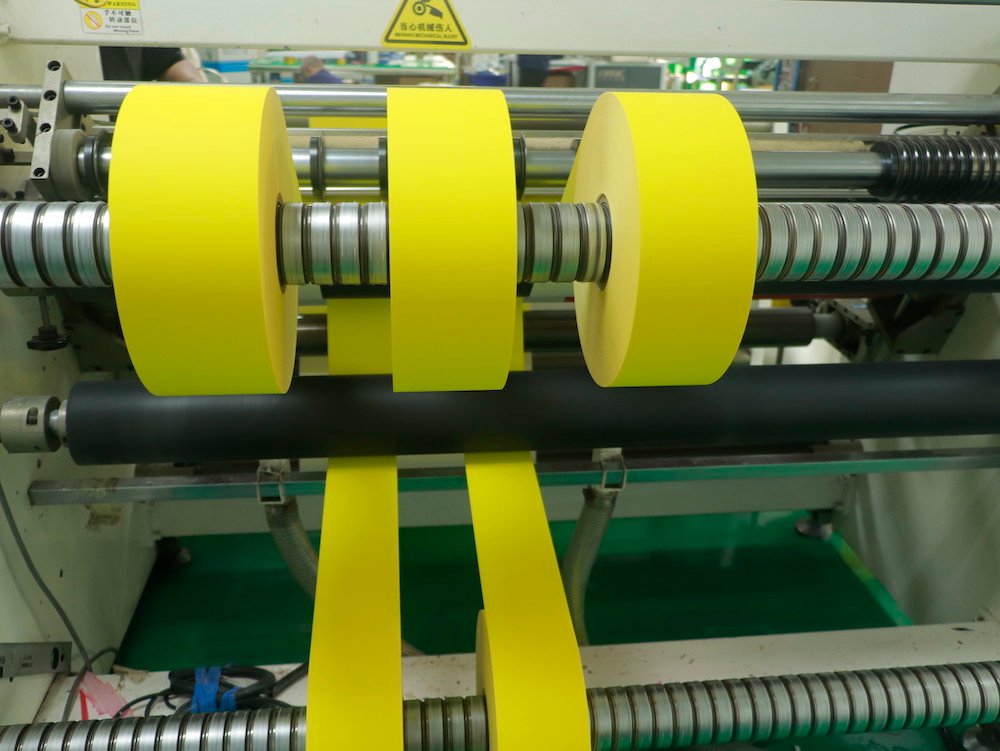
Key Differences and How to Choose the Right Solution
In the global tamper-evident packaging industry, security seals vs security tape is a topic that is often misunderstood by customers. Although both products feature tamper-evident properties—such as leaving a visible “VOID” message upon removal—their product structures, application scenarios, and usage logic are fundamentally different.
This confusion around security seals vs security tape is especially critical for packaging manufacturers and automated production line operators. Choosing the wrong product can directly lead to equipment incompatibility, production delays, and significant efficiency loss. In many cases, overseas buyers lack a clear understanding of their actual needs and proceed with blind procurement, only to find that the products cannot be integrated into their existing systems—resulting in wasted costs and delayed delivery schedules.

Based on real international customer cases, EcoSecurityTape provides a comprehensive comparison of security seals vs security tape, analyzing their differences in core structure, production compatibility, and application scenarios. This guide is designed to help packaging factories and logistics supply chain businesses accurately select the most suitable solution.
By combining this article with our previous guides on complete security tape solution and security label solution systems, you can build a full understanding of tamper-evident packaging and develop a more effective, end-to-end product protection strategy.
Structural Difference: Release Liner
The most fundamental difference between security seals and security tape lies in whether a release liner (release film/paper) is used. This structural distinction directly determines product length, production stability, and compatibility with automated equipment—making it a key factor for overseas packaging manufacturers when evaluating security seals vs security tape.
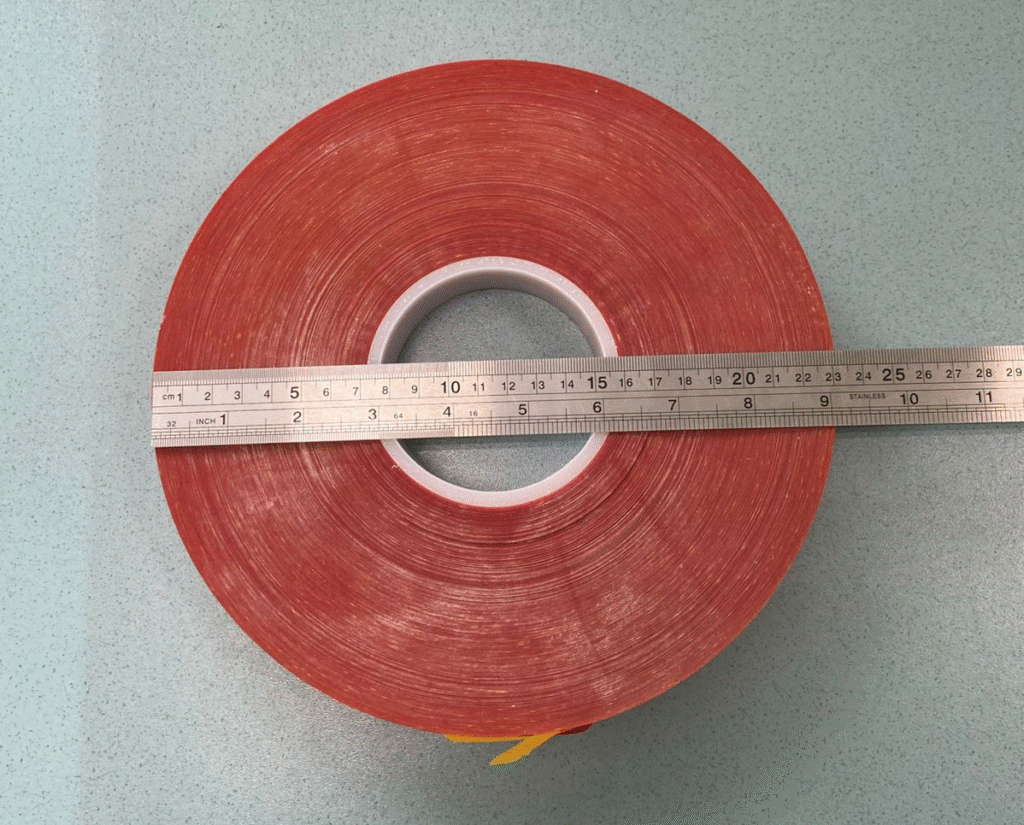
Security seals (Security VOID Strips) are designed with a three-layer structure: a tamper-evident face material, a strong adhesive layer, and a silicone-coated release liner. The adhesive is fully isolated by the liner, preventing issues such as adhesive blocking, material stretching, or excessive friction during rewinding. This design ensures excellent production stability and allows for ultra-long रोल manufacturing—typically 1000–1200 meters per roll. In addition, the width can be flexibly customized, making security seals highly compatible with automated bag-making machines and labeling systems. From a manufacturing perspective, this is a critical advantage highlighted in the difference between security seals and security tape.
In contrast, security tape typically features a simpler two-layer structure: a tamper-evident surface material and a pressure-sensitive adhesive layer, without any release liner. As a result, during rewinding, the adhesive layer comes into direct contact with the backing material. The longer the roll, the more severe the adhesion buildup becomes, which can lead to problems such as tamper layer transfer failure, material deformation, or uneven unwinding tension. For this reason, security tape is generally limited to short rolls (usually under 100 meters).
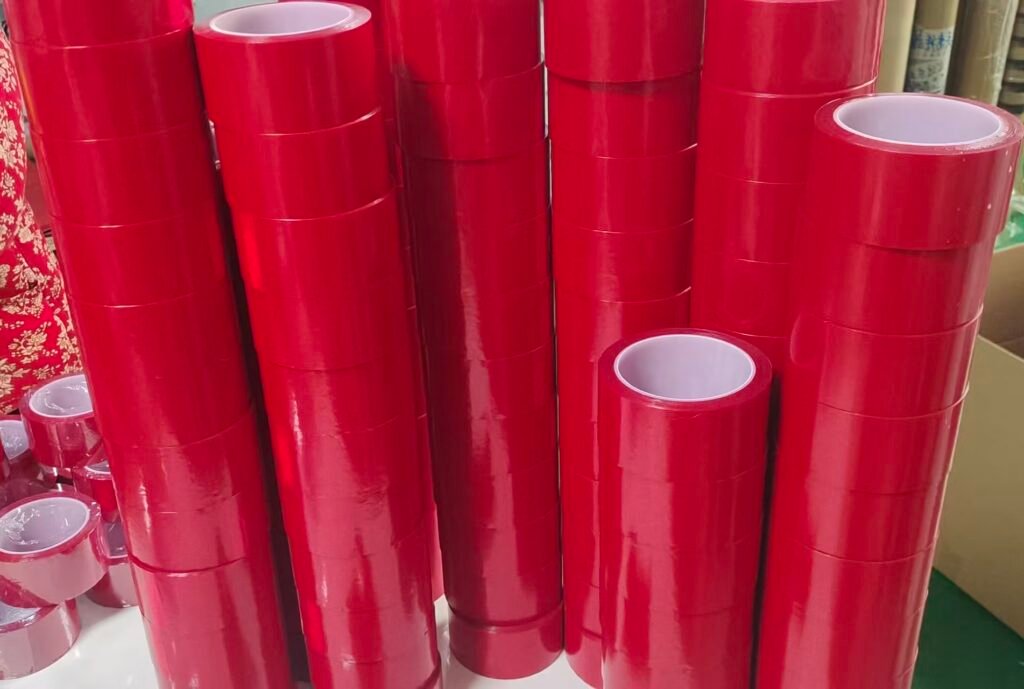
This structural limitation means that security tape is primarily suitable for manual application rather than automated production. It is widely used in carton sealing or on-site packaging, but cannot meet the requirements of high-speed, continuous production lines. This is another critical point in understanding the difference between security seals and security tape.
Overall, when comparing security seals vs security tape, the presence of a release liner is not just a minor design detail—it fundamentally defines the product’s performance ceiling, production scalability, and suitability for industrial automation.
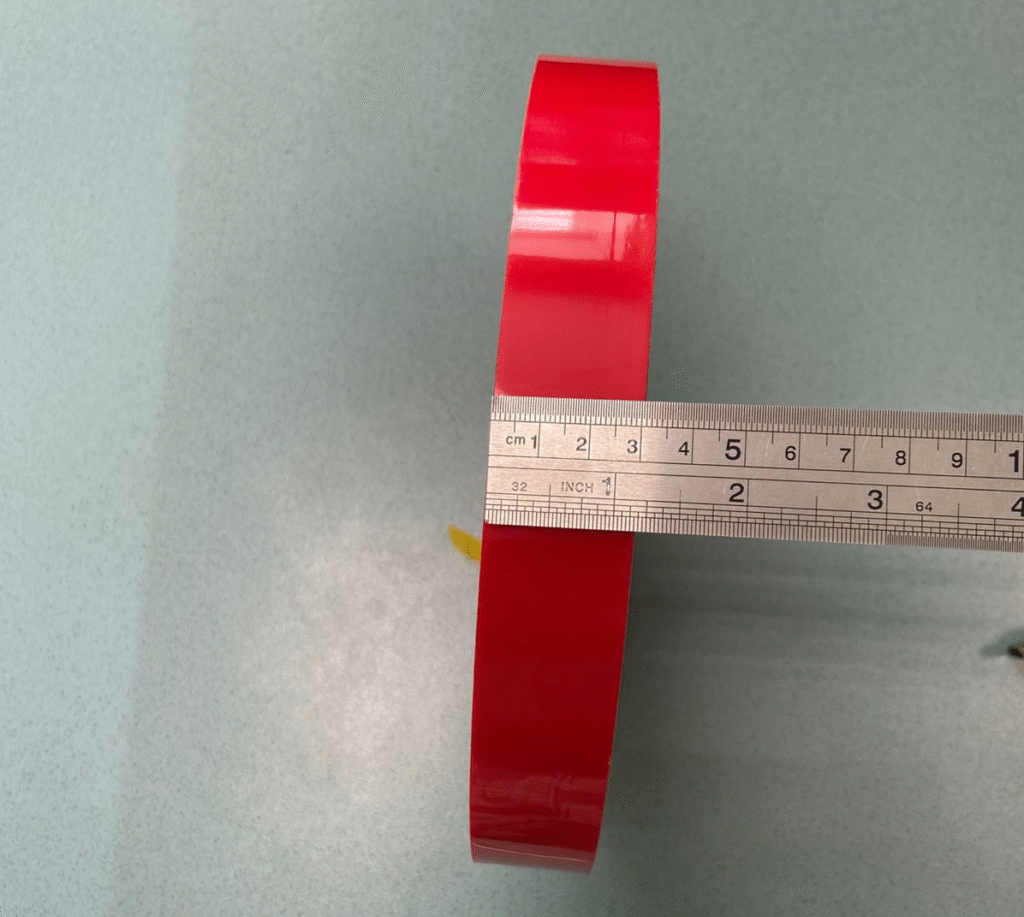
Automated Mass Production vs. Manual Operation
The usage methods of these two products are fundamentally aligned with different production models, making this a key factor when evaluating security seals vs security tape. Choosing the right option directly impacts efficiency, labor cost, and scalability.
Security seals are specifically designed for high-volume, automated production. With standard roll lengths of up to 1200 meters, they can be directly integrated into automatic bag-making machines and sealing systems. This allows for continuous operation over several hours without frequent roll changes. The entire application process is automated, ensuring consistent placement, stable adhesion, and significantly improved production efficiency. For packaging factories and large-scale manufacturers, this type of solution is ideal for achieving reliable, high-speed output.
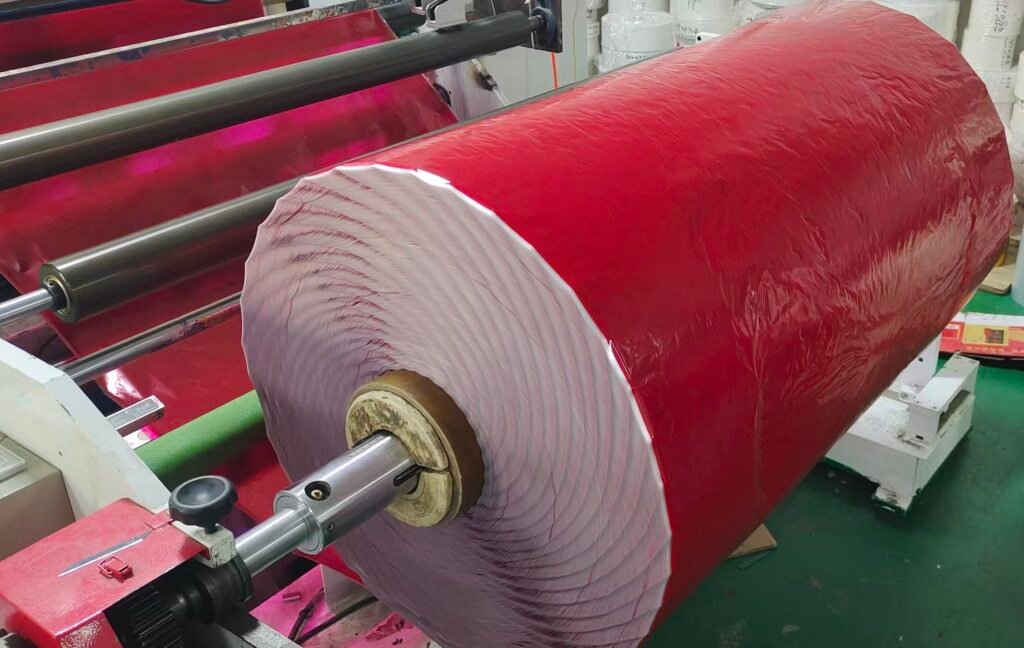
In contrast, security tape is designed for small-batch, manual use. Typically supplied in short rolls of 50–100 meters, it does not require any machinery and can be easily torn and applied by hand. Users can flexibly adjust the length during application, making it highly practical for temporary sealing tasks. As a security tape for packaging, it is widely used in logistics, warehousing, and e-commerce operations for carton sealing and parcel closure.
However, due to its short roll length and manual application process, security tape for packaging cannot support long-duration, continuous automated production. It is better suited for flexible, low-volume environments rather than industrial-scale manufacturing. This distinction clearly highlights how security seals vs security tape serve entirely different operational needs.
Overall, if your priority is efficiency and automation, security seals are the optimal choice. If flexibility and ease of use are more important, especially in decentralized packaging scenarios, security tape for packaging remains a practical and cost-effective solution.
Our Client Packaging Application Scenarios
Based on our direct interactions with overseas clients, the differences in application scenarios for our two products have become even clearer, providing valuable reference for similar clients when choosing the right solution.
Russian Packaging Factory Client:
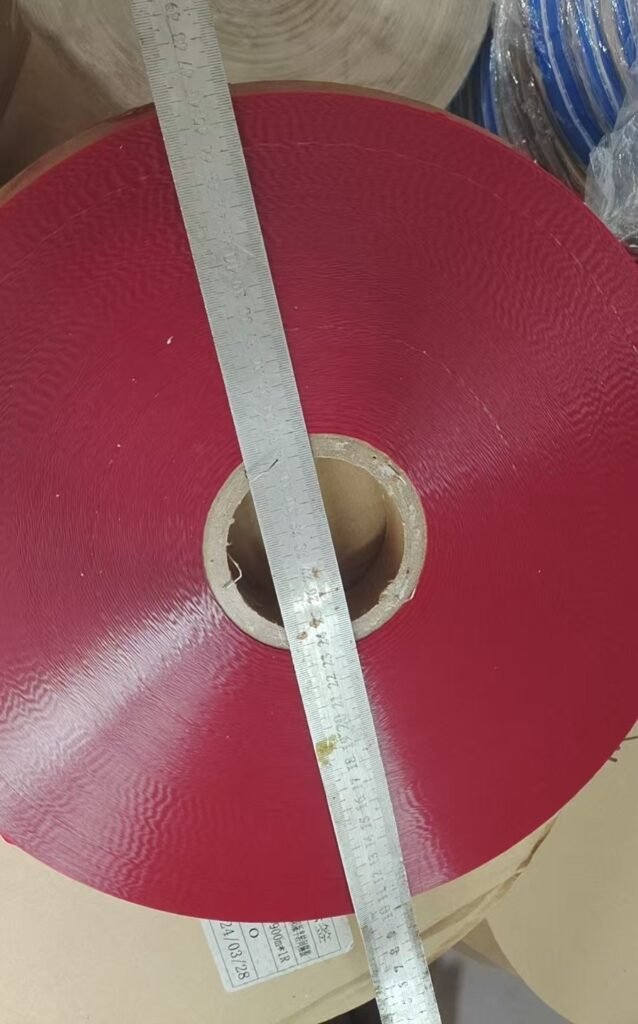
This client specializes in producing courier bags. Due to local supply chain limitations, they cannot produce anti-tamper security tapes on their own and specifically contacted us for procurement. Their requirement was for 3 cm wide, 1200-meter long security tapes. The client operates automated bag-making equipment and needs to apply the security tapes in bulk to the surface of courier bags.
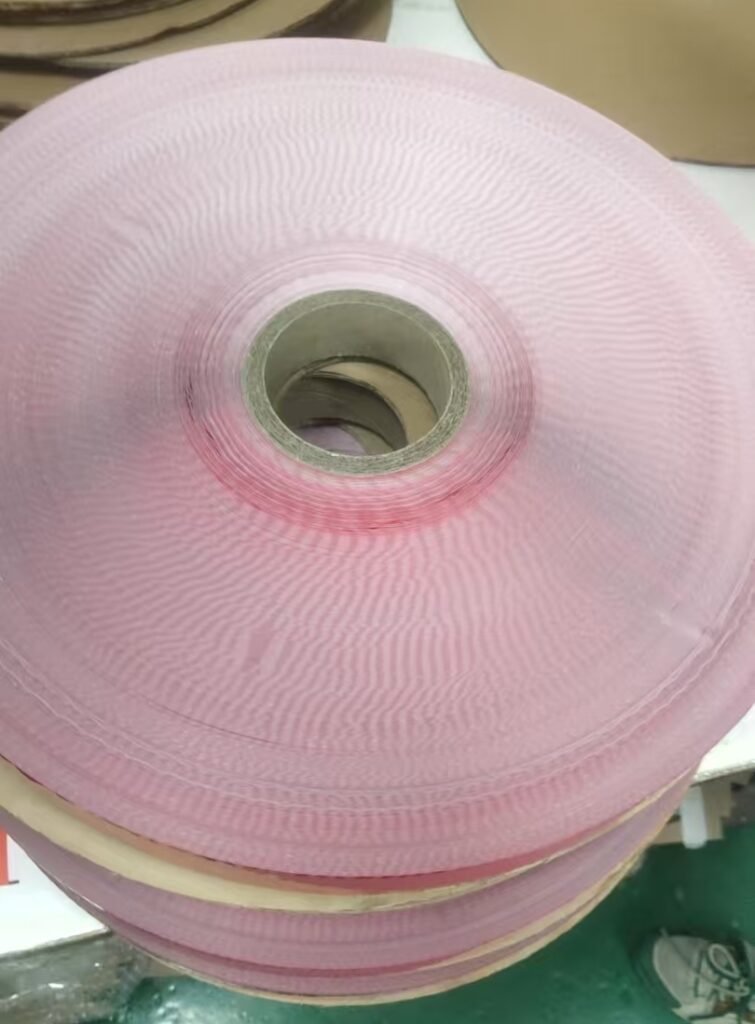
Once a bag is opened, the VOID security pattern appears immediately, ensuring full-process protection against tampering, theft, and package switching during courier transport. The 1200-meter long rolls allow continuous operation without frequent roll changes, perfectly matching their high-volume production needs. This scenario highlights how our security tapes seamlessly integrate into automated production lines for large-scale courier bag manufacturing.
Hanoi, Vietnam Packaging Client:
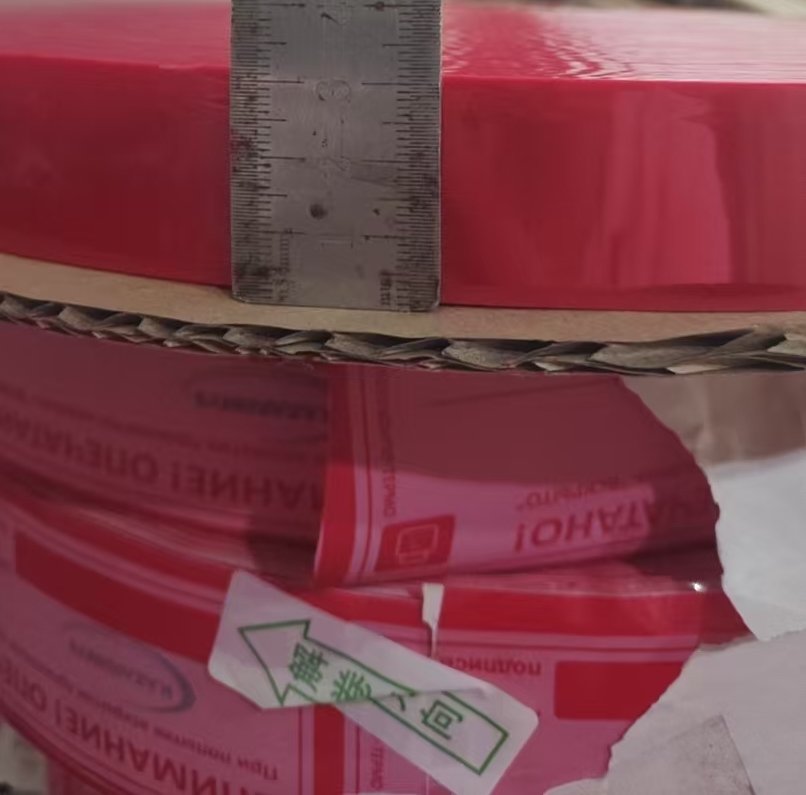
Located in Hanoi near Noi Bai Airport, this client specializes in packaging for airport duty-free products. They require customized security tapes applied to the sealing area of duty-free bags. Once the tape is torn, it reveals a dedicated duty-free anti-tamper mark, preventing unauthorized opening, product switching, or diversion.
The client also operates automated production lines and selected 1200-meter long rolls for efficient large-scale production, ensuring compliance with airport duty-free security standards. Additionally, the client inquired about double-sided adhesive security tapes; after consultation, it was confirmed that double-sided tape is not compatible with their automated equipment. They ultimately opted for the conventional single-adhesive + single-release liner tape.
Summary of Key Differences:
- Product Application: Russian client focuses on courier logistics; Hanoi client focuses on duty-free retail security.
- Security Feature Requirement: Both require VOID anti-tamper functionality, but Hanoi client additionally needs a visible duty-free-specific mark.
- Production Compatibility: Both use automated lines, but the double-sided adhesive option was rejected by Hanoi client due to equipment limitations.
- Roll Length Importance: 1200-meter rolls are critical for both to minimize downtime and maximize production efficiency.
These examples illustrate how product specifications must align with client production capabilities and security requirements, helping other overseas clients make informed selections.
Applicable Customers and Use Scenarios – Visual Version
| Product Type | Suitable For | Core Customers | Representative Scenarios | Key Requirements | Additional Notes |
|---|---|---|---|---|---|
| Tamper-Evident Security Tape 🟦 Automated / Large Volume | Professional packaging factories, automated production lines | Courier bag manufacturers, airport duty-free bag producers, postal security bag makers, medical specimen bag manufacturers | Russian courier bags, Hanoi airport duty-free bags, Austrian postal security bags | High-volume automated production Continuous operation for long periods Integrated bag-tape anti-tamper design VOID or visible security mark upon opening | Roll length up to 1200 m for uninterrupted operation Compatible with automated bag-making/sealing machines Ensures anti-tamper, anti-theft, anti-swapping during transport |
| Tamper-Evident Adhesive Tape 🟩 Manual / Flexible | Logistics, warehousing, small-scale or flexible packaging | Cross-border e-commerce sellers, logistics warehouses, small trading companies | Carton sealing, small parcel sealing, temporary anti-tamper sealing | Manual, easy-to-use operation Flexible cutting Low-cost small-batch usage | Suitable for non-automated packaging Allows flexible application on various packaging types Supports quick sealing and temporary security |
Security Seals vs Security Tape: One-Piece Anti-Tamper vs Surface Sealing
One-Piece Anti-Tamper Security Seals
Tamper-evident security seals integrate seamlessly with the bag body, such as courier bags or duty-free bags. Once applied, the security seal becomes an intrinsic part of the package. Any attempt to open, pry, or tamper with the bag will simultaneously damage the seal, instantly revealing OPEN / VOID / brand-specific anti-tamper marks. These traces are irreversible, preventing unauthorized opening or resealing. This built-in design provides maximum security, ensuring that the package’s integrity is protected from the root. One-piece anti-tamper security seals are ideal for high-value logistics, duty-free products, postal security bags, and medical specimen bags, where full-process protection is required.
Surface-Applied Security Tape
Security tape is an external sealing solution, applied directly to the surface of packages, cartons, or parcels. Unlike integrated security seals, surface-applied security tape is an add-on layer, which leaves a mark only on the tape itself when torn. It can be cut, peeled, or partially removed, offering flexibility but providing weaker anti-tamper protection compared to one-piece security seals. Security tape is suitable for manual sealing, temporary anti-tamper measures, low-volume shipments, and general logistics applications, where quick, flexible, and low-cost sealing is preferred.
Key Differences: Security Seals vs Security Tape
| Feature | One-Piece Security Seals | Surface Security Tape |
|---|---|---|
| Integration | Becomes part of the bag/package | External, attached to surface only |
| Tamper Evidence | Immediate, irreversible, brand-specific | Only leaves trace on tape itself; can be partially removed |
| Protection Level | High – prevents unauthorized opening, resealing, swapping | Moderate – suitable for temporary or flexible sealing |
| Use Case | Courier bags, duty-free packaging, postal security, medical specimens | Carton sealing, small parcels, temporary anti-tamper measures |
| Operation | Automated or high-volume application | Manual, flexible, low-volume use |
Summary
Choosing between security seals vs security tape depends on the required security level, production method, and application scenario. One-piece security seals provide full-process anti-tamper protection for high-value or sensitive shipments, while surface-applied security tape offers flexible, easy-to-use sealing for logistics, e-commerce, and low-volume operations.
Common Mistakes : Security Seals vs Security Tape
- Assuming Security Tape Can Be Used on Automated Production Lines
Security tape without a release liner tends to stick to itself and break during machine operation. Using it on automated lines can cause equipment jams and production downtime. - Using Security Seals for Manual Application
Applying long-roll security seals manually is inefficient and wasteful, as it underutilizes the benefits of high-capacity rolls and increases unnecessary procurement costs. - Thinking 1200-Meter Rolls Are Excessive
For packaging factories with automated lines, a 1200-meter roll is essential. Machines can use up the roll in just a few hours, making it a necessary specification to improve production efficiency. - Ignoring Local Supply Chain Limitations
In regions like Russia, where producing security seals locally is not feasible, early procurement of long-roll security seals is required to avoid production delays and delivery issues. - Blindly Choosing Double-Sided Security Seals
Double-sided adhesive structures cannot be produced in long rolls and are incompatible with automated production lines, which may negatively affect production efficiency.
FAQ: Security Seals vs Security Tape
1. Why can security seals be produced in 1200-meter rolls, while security tape is limited to around 100 meters?
Security seals feature a single-layer release liner + single adhesive layer structure. The adhesive is completely isolated from the roll backing, preventing sticking and stretching, allowing stable production of long rolls up to 1200 meters. In contrast, security tape lacks a release liner; the adhesive directly contacts the backing material. When the length exceeds about 100 meters, the adhesive can stick to itself and deform the base material, making longer rolls unstable and impractical for automated production.
2. For courier bags or duty-free bags, must packaging factories choose security seals instead of security tape?
Yes. Automated production lines require continuous operation and integrated anti-tamper protection. Only 1200-meter security seals with a release liner can be applied efficiently on automated machinery, providing full-package security. Security tape, being surface-applied, cannot meet high-volume production or full-process anti-tamper requirements, making security seals the necessary choice for professional packaging.
3. Can customized security seals be made in 3 cm width and 1200-meter length?
Absolutely. We support customization of various widths and lengths, as well as anti-tamper designs including VOID patterns, duty-free exclusive marks, postal logos, or brand-specific graphics. These customized security seals are fully compatible with automated packaging lines worldwide, giving clients a scalable and secure solution that security tape cannot match.
4. Do security seals and security tape provide the same tamper-evident effect?
The core anti-tamper principle is similar, but the protection level differs. Security seals are integrated with the bag or package, offering high-strength, irreversible anti-tamper protection, while security tape is a surface-applied solution, suitable for simple, low-risk sealing. Clients should choose based on production scale, automation, and security requirements.
5. Can double-sided security seals be produced in 1200-meter rolls and used on automated lines?
No, and this has been verified by our Hanoi duty-free client. Double-sided security seals require two release liners and two adhesive layers, making the roll structure complex. During winding, the double-sided adhesive tends to stick together, squeeze out, and create excessive friction, limiting roll length to around 100 meters—similar to standard security tape. Furthermore, double release liners are difficult to peel on automated bag-making machines, leading to jams and breakage. As a result, double-sided security seals are only suitable for manual, small-batch application, and cannot replace security seals for automated, high-volume production.
Additional Notes:
- Security seals are essential for high-value, automated packaging scenarios, ensuring full-package protection.
- Security tape is best for manual sealing, temporary protection, or low-volume logistics.
- When comparing security seals vs security tape, production compatibility, anti-tamper strength, and automation readiness are the key differentiators.
Contact Us
We specialize in providing customized anti-tamper security seals, security tape, and security labels to packaging factories worldwide. Our products support a variety of widths, including 3 cm, and long-roll specifications up to 1200 meters. We can customize OPEN/VOID, airport duty-free, postal-specific, and brand-exclusive anti-tamper markings, ensuring seamless integration with automated production lines for courier bags, airport duty-free bags, and postal security bags.
Whether you are a Russian courier bag factory, a Vietnamese airport duty-free bag supplier, or an Italian pharmaceutical packaging company, we provide one-stop security packaging solutions tailored to local requirements and equipment specifications. Our offerings help overcome overseas supply chain limitations and support high-efficiency, large-volume production.
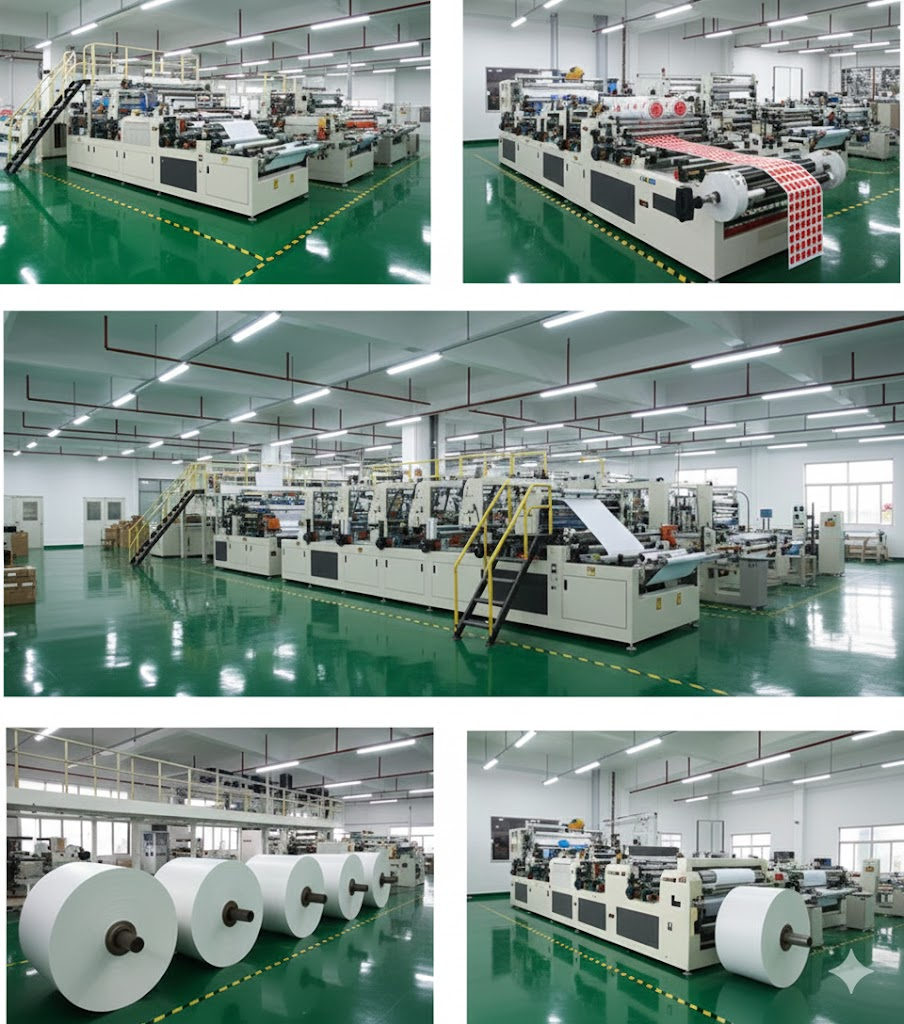
By choosing our security seals vs security tape solutions, you can ensure that your packaging meets the highest standards of anti-tamper protection while optimizing production efficiency. We guide clients in selecting the right product based on automation compatibility, security needs, and operational scale.
Get in Touch
- Email: info@ecosecuritytape.com
- WhatsApp: +1 615 480 2757
Contact us to request free samples or download our product catalog online. Learn more about our full range of security seals vs security tape and discover how our anti-tamper solutions can protect your products while streamlining your production process.
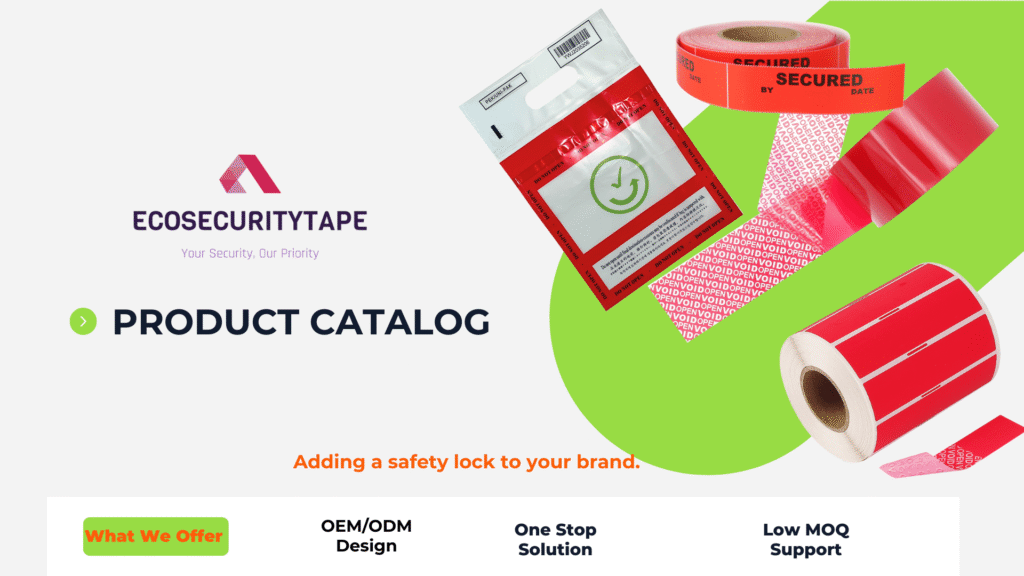

Focus on tamper evident packaging, free sample for test, small-batch MOQ, let’s have a talk.