Narita International Airport Overview
Airport Positioning and Industry Status
Narita International Airport (NRT) is Japan’s primary international aviation hub and a 4F-class airport, serving as a key gateway connecting East Asia with the rest of the world. In 2024, the airport handled over 38 million international passengers, with duty-free retail recognized as one of its core revenue pillars.
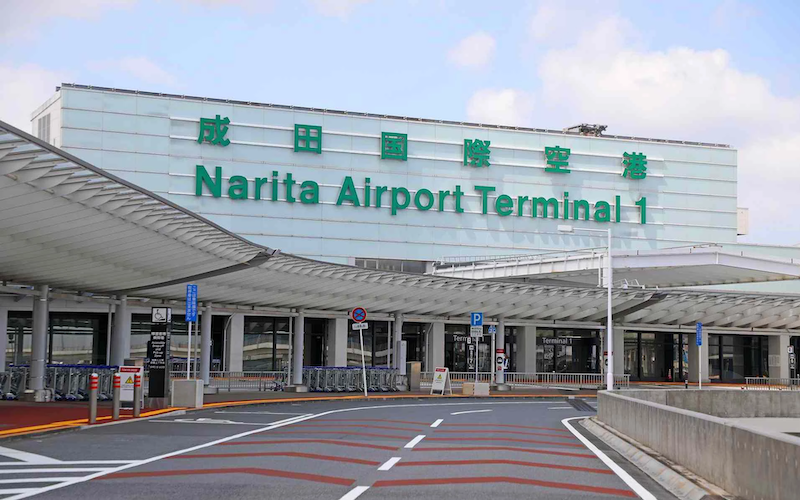
As an international transit hub, duty-free packaging at Narita Airport must comply with strict global aviation and security regulations.
For a comprehensive overview of airport duty-free bag rules, ICAO STEB requirements, and international compliance standards, see our complete guide to airport duty-free bags.
Duty Free Zone Layout
The duty free areas span Terminal 1 (T1), Terminal 2 (T2), and Terminal 3 (T3), covering a total area of more than 20,000 square meters. These zones are strategically located in high-traffic areas such as international departure halls and transit zones, forming a comprehensive one-stop duty-free shopping ecosystem across all major product categories.
Duty Free Stores at Narita Airport
Tobacco
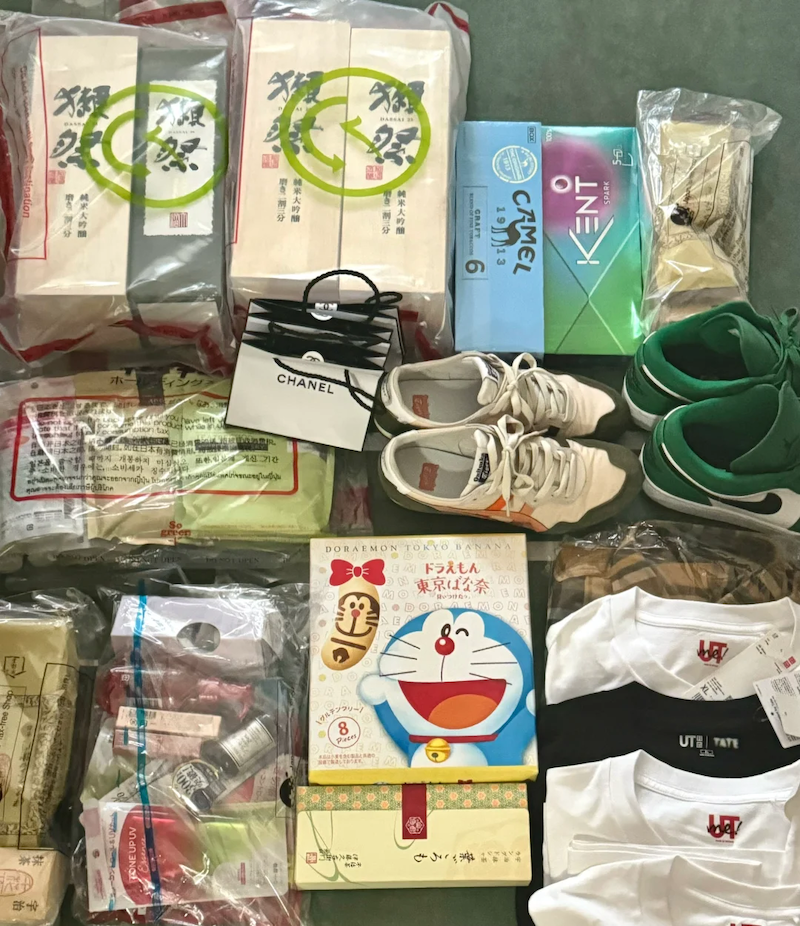
Narita Airport duty free stores offer a wide selection of tobacco products, including internationally recognized cigarette brands such as Marlboro, Seven Stars, Japan-exclusive mild Seven Stars editions, and premium Cuban cigars. Prices are typically 30%–50% lower than domestic retail, with many products packaged as gift sets.

Alcohol & Spirits
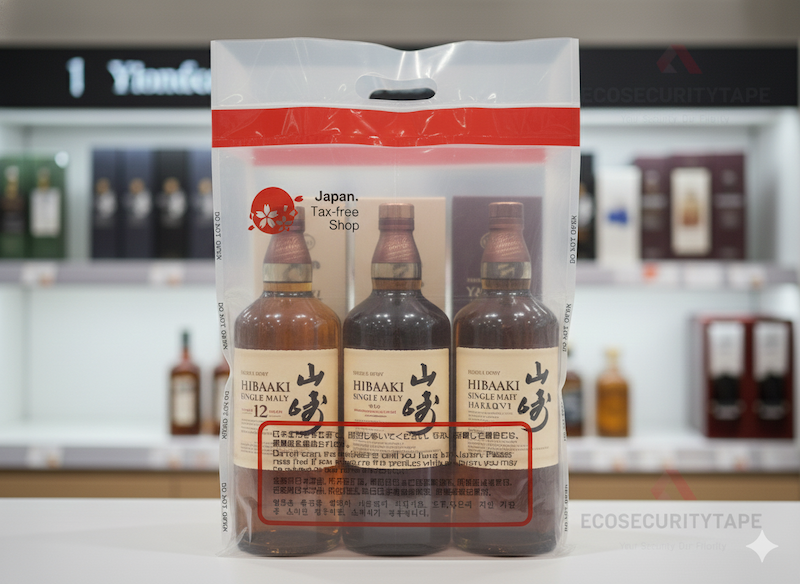
Alcohol is a key category, with a strong focus on high-end Japanese products such as Hokkaido whiskies, Yamazaki single malt whisky, and premium sake (including Dassai and Juyondai). Due to their high unit value, approximately 60% of these products are purchased as gifts, making secure and premium packaging essential.
Luxury Goods
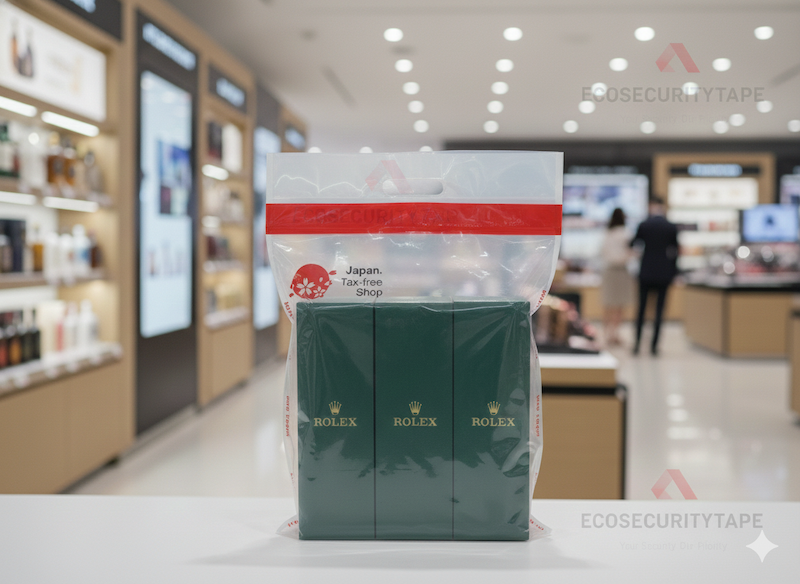
The duty free area features accessories from leading international luxury brands, luxury watches, and high-end jewelry. The average price per item often exceeds 100,000 JPY, with customers primarily consisting of mid- to high-end travelers. This segment places extremely high importance on authenticity assurance and premium packaging quality.
Chocolate and Confectionery
Chocolate offerings combine international brands with distinctive Japanese specialties, such as Royce’ nama chocolate, limited-edition Meiji chocolates, and Morinaga DARS. These products are usually sold in smaller package sizes, making them ideal souvenirs.
Apparel and Other Categories
This category includes international casual wear, Japanese designer clothing, and accessories such as scarves and sunglasses. In addition, the duty free stores carry pharmaceuticals and cosmetics (including Japanese-exclusive editions of Shiseido and SK-II), as well as locally inspired handicrafts such as kimono accessories and ceramic products.
Narita Airport Duty Free Bag Overview
Duty Free Operators at Narita Airport
Japan Duty Free (Leading Japanese Duty Free Operator)
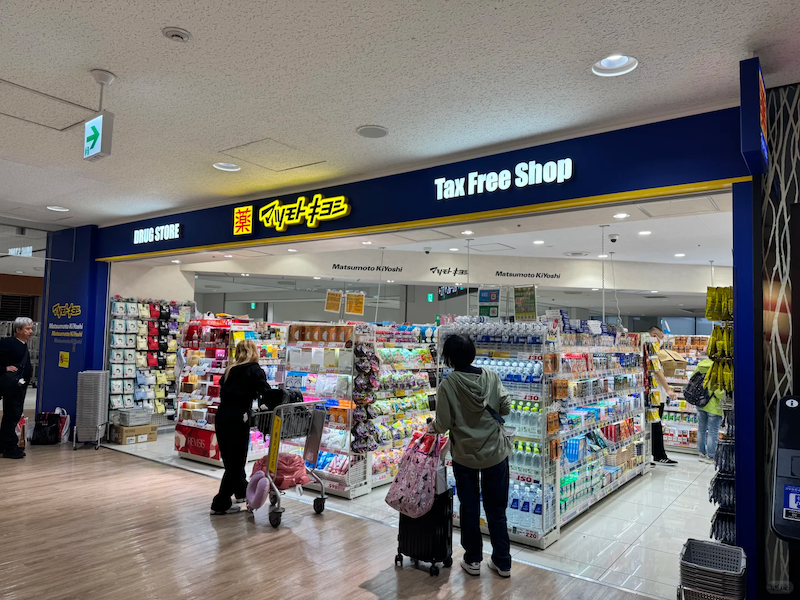
Japan Duty Free is the core duty free operator at Narita Airport, with comprehensive coverage across Terminal 1 (T1), Terminal 2 (T2), and Terminal 3 (T3).
The stores adopt a full-category, integrated retail layout. In addition to international luxury brands, Japanese local specialty products—such as sake, traditional Japanese confectionery, and handcrafted cultural goods—account for more than 40% of the assortment, precisely meeting the souvenir purchasing needs of international travelers.
Laox (Japanese Duty Free Chain)
Laox operates two themed specialty stores in Terminal 1 and Terminal 2 at Narita Airport. The product mix centers on Japanese consumer electronics, pharmaceuticals, cosmetics, and cultural creative products.
Dedicated zones for Japanese cosmetic and pharmaceutical brands such as Shiseido and SK-II, as well as household appliances like rice cookers and beauty devices, are particularly popular.
The Role of Narita Airport Duty Free Bags
Precision Protection for High-Value Goods
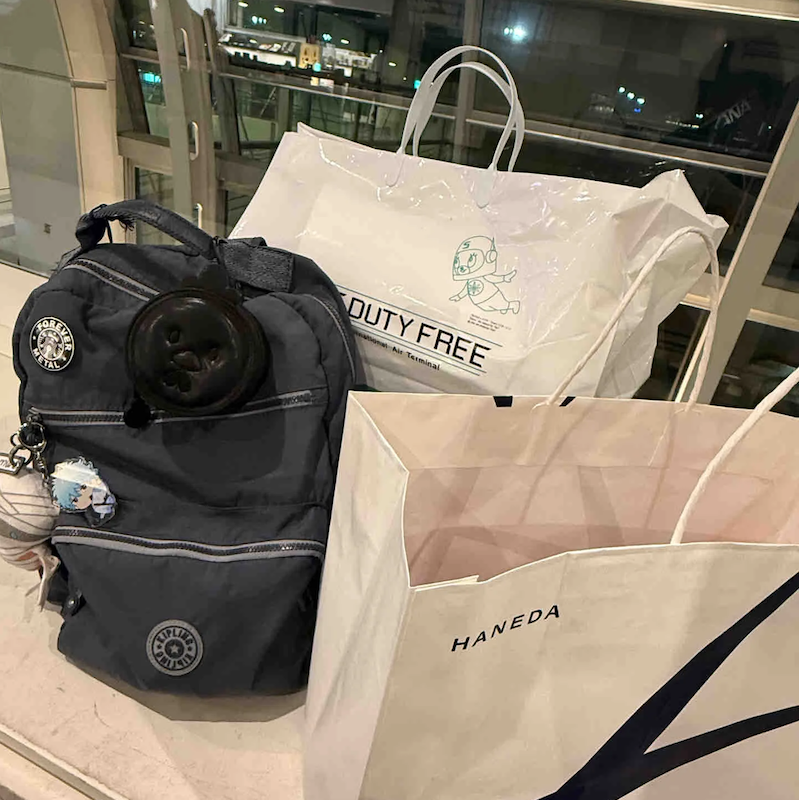
For core categories such as luxury goods and premium alcohol, narita airport duty free bags are designed with thickened 2.5 mm shock-absorbing PE material combined with a soft, anti-scratch inner lining, effectively cushioning impact during international flights and long-distance carrying.
In addition, irreversible tamper-evident seals ensure that once the bag is opened, a clear “opened” trace remains, physically preventing product substitution and safeguarding goods from purchase to final delivery.
Customization for All Product Categories
Narita airport duty free bags are tailored to the specific characteristics of different products.
- Fragile items, such as ceramics and bottled spirits, use bags with built-in cushioning or air-bubble layers.
- Moisture-sensitive products, including apparel and pharmaceuticals, utilize waterproof laminated materials to provide dust and moisture protection.
- Small-sized items, such as chocolates and accessories, are packaged in detachable, portable sub-bags, enhancing convenience for travelers.
Dual Empowerment of Branding and Compliance
Custom narita airport duty free bags are printed with brand-specific logos, signature color schemes, and anti-counterfeiting traceability QR codes, strengthening brand recognition and creating a memorable visual identity within crowded duty free environments.
At the same time, clearly displayed “duty free” compliance markings facilitate rapid inspection by Japanese customs and destination-country authorities, reducing the risk of clearance delays caused by unclear packaging and ensuring smooth, compliant circulation of duty free goods.
Why Duty-Free Bags Matter at Narita Airport
| Aspect | Key Focus | Explanation |
|---|---|---|
| Compliance Requirements | Regulatory compliance & proof of duty-free status | Narita Airport duty free bags are designed to comply with Japan Customs Duty-Free Goods Management Regulations and IATA (International Air Transport Association) duty-free transportation standards. As a compliance credential for duty-free products, an intact tamper-evident seal serves as critical proof of duty-free status, helping retailers avoid risks related to non-compliant circulation. |
| Risk Prevention & Control | Anti-counterfeiting and anti-tampering protection | For high-value goods prone to counterfeiting and substitution, tamper-evident narita airport duty free bags effectively prevent product replacement and unauthorized access, significantly reducing post-sale disputes. According to industry data, duty-free products packaged with tamper-evident solutions experience over a 70% reduction in customer complaints and disputes. |
| Building Consumer Trust | Enhancing confidence and brand credibility | With a high proportion of cross-border travelers at Narita Airport, duty free bags clearly communicate that products are secure, authentic, and traceable. This visible assurance increases shoppers’ sense of security, strengthens brand perception, and improves overall trust in duty free retail purchases. |
Common Issues with Duty-Free Bags at Narita Airport
Insufficient Tamper-Evident Performance
Some duty free bags rely on ordinary adhesive seals or simple sticker closures that lack core anti-tampering design. These can be opened and resealed without visible traces using professional tools, creating opportunities for authentic product substitution.
For high-value items frequently sold at Narita Airport—such as Yamazaki whisky and Rolex watches—there have been customer complaints where products were found to have been swapped after purchase. The average compensation per dispute exceeds JPY 50,000.
Poor Material Durability
Some low-cost duty free bags are made from thin recycled plastic with a thickness of only 0.08 mm, a load capacity below 2 kg, and tear resistance under 5 N. However, Narita Airport travelers often purchase multiple bottles of sake or whisky (each weighing approximately 0.8 kg including packaging) or several cosmetic gift sets at once.
According to statistics from the Japan Duty Free Association, 22% of after-sales damage cases in the Narita Airport area are related to inadequate packaging materials, resulting in average annual direct losses of over JPY 1.5 million per store.
Unreasonable Size Design
Many standard duty free bags are available only in small, medium, and large sizes, which fails to accommodate the diverse product formats sold at Narita Airport.
When oversized bags are used for mid- to small-sized high-value items such as LV leather goods or SK-II gift sets, the lack of internal support allows products to shift and collide during transfers or baggage handling, increasing the risk of surface scratches or bottle breakage by over 30%.
Failure to Meet Environmental Standards
Some duty free stores still use non-degradable PVC bags, which violates Japan’s Act on Promotion of Resource Circulation for Plastics, requiring a significant reduction in single-use non-degradable plastics starting in 2025. Non-compliance may result in fines of up to JPY 1 million.
Surveys indicate that 52% of Western travelers actively avoid brands using non-eco-friendly packaging. Unsustainable packaging not only drives away this core customer segment but also labels brands as socially irresponsible, conflicting with Japan’s strong emphasis on sustainable consumption.
Unclear Branding and Compliance Markings
Some duty free bags suffer from blurred logos, inconsistent colors, missing anti-counterfeiting traceability codes, or the absence of clear “duty free” compliance markings.
From a customs perspective, during peak international transit periods at Narita Airport—when over 10,000 duty free items are inspected daily—unclear packaging requires additional verification, extending passenger clearance time by 10–15 minutes on average and causing traveler frustration.
From a branding standpoint, unclear logos fail to leave a strong brand impression, wasting the opportunity for packaging to serve as mobile advertising in a highly competitive duty free environment.
How to Choose Duty Free Bag Supplier for Narita Airports
Industry Experience and Compliance Capability
Priority should be given to suppliers with at least five years of specialized experience in airport duty free packaging. A key evaluation criterion is their ability to adapt to the Japanese market—specifically, whether they are thoroughly familiar with Japan Customs’ Duty-Free Goods Management Regulations, IATA (International Air Transport Association) duty free transportation standards, and Japan’s Act on Promotion of Resource Circulation for Plastics.
Suppliers should be able to provide three or more proven cooperation cases with Narita Airport or Japanese domestic duty free retailers (such as collaborations with Japan Duty Free or Laox).
Anti-Tampering Technology and Quality Capability
Tamper-evident performance: Tamper seals must adopt an irreversible break structure and pass simulated “open–restore” tests. After opening with professional tools, the seal should leave clear traces and be impossible to restore. Where possible, request third-party anti-counterfeiting test reports.
Material performance: Define clear quantitative standards—bag material thickness ≥ 0.12 mm, load capacity ≥ 5 kg (suitable for multiple bottles of alcohol), tear resistance ≥ 8 N (in accordance with EN ISO 13937-2), and weather resistance proven through extreme environment testing (–10°C low temperature, 60°C high temperature, and 85% humidity for 72 hours without deformation, delamination, or embrittlement).
Printing quality: Use UV-curing printing technology with logo and compliance marking resolution ≥ 1200 dpi. Printing should withstand repeated wiping with a damp cloth (10 cycles) without fading or peeling, ensuring clarity after extended use and transportation. Printing durability test reports should be provided.
Customization Capability and Capacity Assurance
Customization should cover the entire value chain.
- Design customization: Support integrated designs incorporating Japanese cultural elements (such as cherry blossoms, ukiyo-e, and traditional patterns), brand color schemes, and compliance markings. At least three design proposals should be provided, with a sampling lead time of no more than three business days. Sampling fees should be deductible from subsequent bulk orders.
- Specification customization: Based on the dimensions of Narita Airport’s core duty free categories—such as premium alcohol, luxury goods, ceramic crafts, and pharmaceutical gift sets—suppliers should offer no fewer than five segmented size options, addressing the poor fit of generic bags.
- Capacity assurance: During peak seasons (cherry blossom season from March to May, autumn foliage season from October to November, and year-end shopping season in December), daily output should be no less than 80,000 bags. Standard orders (≤ 1 million units) should have a delivery lead time of ≤ 7 business days, while urgent orders (e.g., emergency replenishment or new product launches) should be supported with 48-hour response and 72-hour shipment.
Sustainability and After-Sales Support
From an environmental perspective, suppliers should provide authoritative biodegradability certifications, such as compliance with JIS K 6953 (Japan) and EN 13432 (EU) standards, ensuring a ≥ 90% natural degradation rate within 180 days and heavy metal content ≤ 100 mg/kg. Material test samples should be available for customer re-verification.
From an after-sales standpoint, suppliers should guarantee a defective rate ≤ 0.5%. Customers should be able to apply for returns or replacements within seven days of receipt based on inspection reports, with return logistics costs covered by the supplier.
Cost-Effectiveness and Long-Term Partnership Stability
Long-term cooperation should be supported by tiered pricing structures, such as 20% discounts for annual volumes ≥ 5 million units and 25% discounts for volumes ≥ 10 million units, helping reduce long-term procurement costs.
For partnership stability, priority should be given to suppliers with independent manufacturing facilities rather than intermediaries. On-site audits of production equipment, capacity scale, and quality control systems are recommended.
A long-term framework agreement of at least one year should be signed, clearly defining responsibilities on quality standards, delivery schedules, payment terms, warranty scope, and breach compensation.
Why Choose EcoSecurityTape for Narita Airport Duty-Free Bags
Enhanced Tamper-Evident Security
EcoSecurityTape adopts a PBAT + PLA biodegradable composite substrate, combined with a dual protection structure featuring serrated breakage and fluorescent anti-counterfeiting elements. Once opened, the seal leaves a clearly visible and irreversible serrated tear mark, while a dedicated fluorescent identifier appears under UV light. This dual-layer protection effectively eliminates the risk of “invisible opening and resealing.”
Its anti-tampering protection level is over three times higher than that of standard adhesive seals, making it ideal for safeguarding high-value products at Narita Airport such as Yamazaki whisky and Rolex watches.
Strong Scenario Adaptability
The tape uses a medical-grade, low-allergen acrylic adhesive, tested in accordance with GB/T 2792-2014, with a peel strength of ≥ 2.5 N/25 mm. It adheres securely to common Narita Airport duty free bag materials such as nonwoven fabrics, PE films, and matte laminated surfaces.
Comprehensive weather resistance testing confirms stable performance under extreme conditions, including 60°C summer tarmac heat at Narita Airport, –10°C winter aircraft cargo holds, and 85% high-humidity transit environments in Southeast Asia over 72 hours. The tape shows no yellowing, embrittlement, delamination, or deformation. In addition, its wrinkle-resistant and crush-resistant properties ensure packaging integrity during frequent transfers, baggage stacking, and long-distance handling.
Customization and Brand Empowerment
EcoSecurityTape supports 1200 dpi full-color high-definition printing, accurately reproducing Japanese cultural elements such as cherry blossom patterns, ukiyo-e artwork, and traditional family crests, along with brand-specific color schemes and logos.
The printing layer uses imported UV-curing inks, passing 50 wet wipe tests and 20 dry abrasion tests without fading or peeling, and remaining color-stable under prolonged natural light exposure. For Narita Airport duty free stores, this not only strengthens brand visual recognition but also enables faster customs identification of compliance markings, improving clearance efficiency by over 15%.
High Efficiency and Cost Effectiveness
Tape width can be customized between 20–50 mm to suit different Narita Airport duty free bag sealing requirements. Two application modes are supported:
- Manual application, using anti-slip handheld dispensers, enabling a single operator to seal 800+ bags per hour.
- High-speed automated production lines, compatible with speeds of up to 300 meters per minute, requiring no modification to existing packaging equipment and seamlessly integrating with the automated lines used by major operators such as Japan Duty Free and Dufry. This reduces labor costs by over 20%.
Compared with traditional high-end anti-counterfeiting solutions such as RFID chips, the overall cost is reduced by 40%–60%. Each roll can reach 1,000 meters in length, making it suitable for high-volume seasonal demand at Narita Airport duty free stores. In addition, low-MOQ trial orders are supported (starting from 5,000 rolls), minimizing initial cooperation risk.
Environmental Compliance
EcoSecurityTape fully complies with Japan’s local environmental regulations.
At the same time, eco-friendly labeling aligns closely with the green consumption preferences of over 60% of Narita Airport’s high-end travelers, particularly among European and American customers. Research shows that duty free stores using eco-friendly tamper-evident solutions experience a 28% increase in repeat purchase intent among premium customer segments, supporting sustainable development goals and strengthening localized market competitiveness.
Summary
Recommendations for Duty Free Retailers
For duty free retailers at Narita Airport, choosing a reliable duty free bag supplier is essential for meeting regulatory requirements, protecting brand reputation, and safeguarding high-value products during international transit.
With proven experience in airport duty free scenarios, EcoSecurityTape provides tamper-evident packaging solutions that combine compliance, security, customization, and eco-friendly materials. Our solutions help retailers reduce anti-counterfeiting risks, enhance brand presentation, and ensure smooth transit across international checkpoints.
For customized duty free bag solutions tailored to Narita Airport operations, or to request free sample testing, please contact us:
For tailored packaging solutions designed specifically for Narita Airport duty free scenarios, or to request free sample testing, please contact us:
Email: info@ecosecuritytape.com
WhatsApp: +1 615 480 2757
Our professional sales engineers will respond within 24 hours to provide end-to-end expert support.

Focus on tamper evident packaging, free sample for test, small-batch MOQ, let’s have a talk.