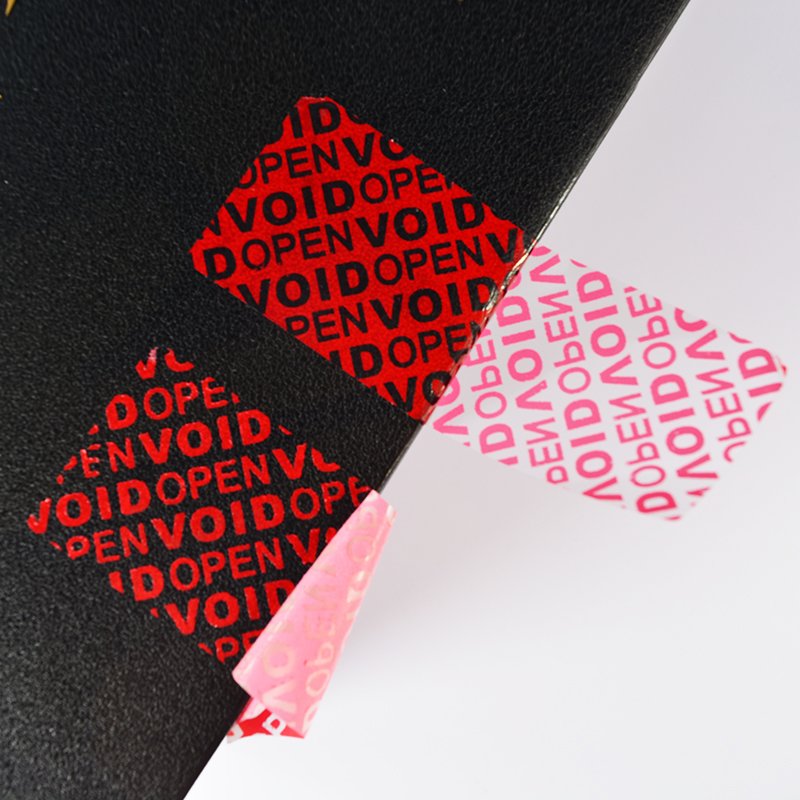
Security Tape Overview
Security tape also call tamper evident security tape, is used to seal cartons, pallets, courier boxes, and high-value shipments while showing visible evidence of opening or removal.
For B2B buyers, correct application is just as important as choosing the right tape. If the surface is dusty, oily, uneven, or applied with insufficient pressure, the tape may not fully bond and the VOID message may not appear clearly.
This guide explains how to apply security tape correctly for shipping, warehouse handling, cross-border logistics, electronics, pharmaceuticals, documents, and other products that require tamper-evident packaging.
Watch this video to see how tamper evident security tape works and how the VOID message appears after removal.
How Security Tape Works
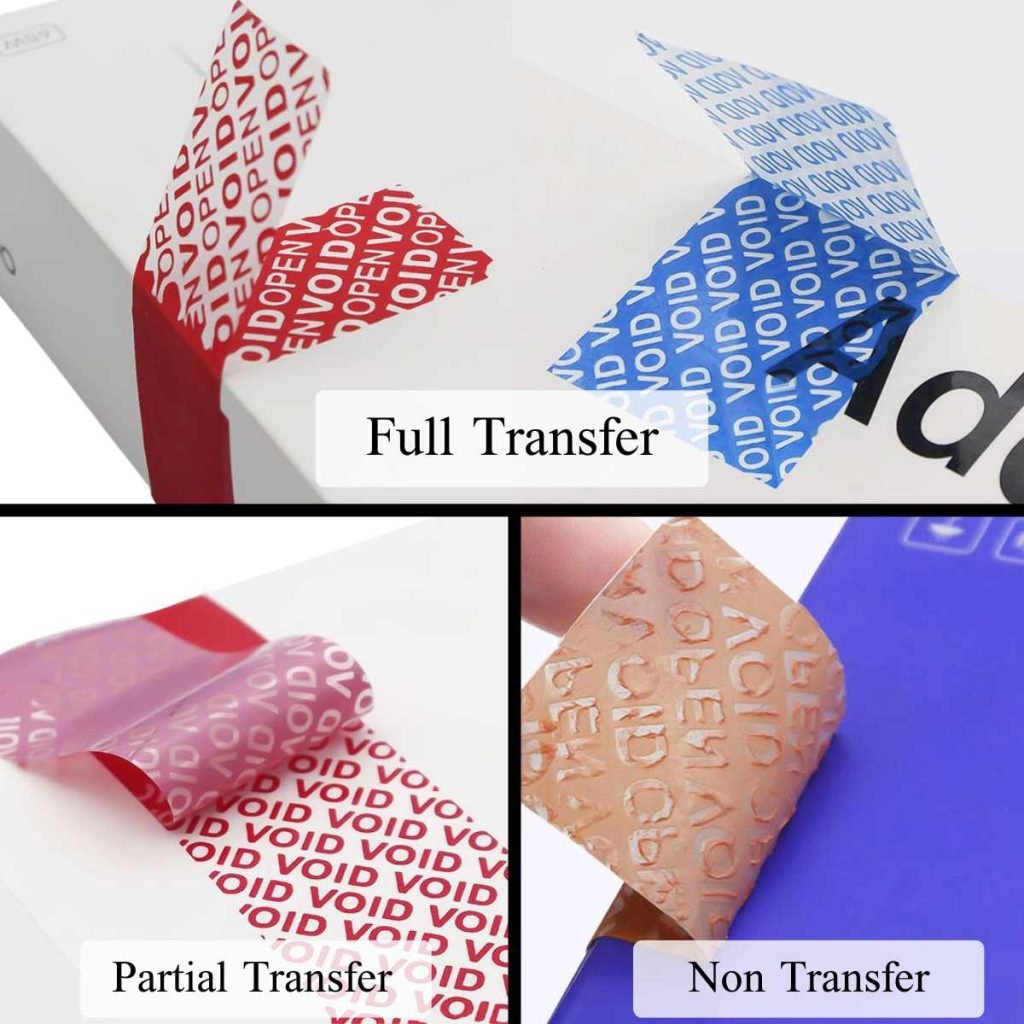
Security tape is an adhesive sealing tape that reveals visible tamper evidence when someone tries to remove or open it. Depending on the tape type, it may leave a VOID message, show hidden patterns, damage the surface layer, or break apart after removal.
For B2B packaging, this helps shippers, warehouses, and brand owners identify unauthorized access during transit, storage, or delivery.

Choosing the Right Security Tape
Choosing the right security tape depends on your packaging surface, shipment environment, tamper-evident requirement, and order budget. For B2B buyers, the key is not only whether the tape can seal the carton, but whether it can show clear and reliable tamper evidence after removal.
Before placing an order, check these five points:
- Application surface: carton, plastic box, metal case, glass, or painted surface
- Tamper effect: full transfer, partial transfer, or non-transfer
- Adhesion strength: whether the tape bonds well during transport
- Environment: temperature, humidity, warehouse storage, and shipping route
- Customization: logo printing, warning text, roll size, color, and MOQ
Preparation Before Applying Security Tape
Before applying security tape, make sure the package surface is clean, dry, flat, and suitable for adhesive bonding. Poor preparation can reduce adhesion and make the VOID message unclear after removal.
| Preparation Step | What to Check | Why It Matters |
|---|---|---|
| Clean the surface | Remove dust, oil, moisture, and loose paper fibers | Improves adhesion and keeps the tamper message clear |
| Check the box condition | Use a firm carton with even flaps and no gaps | Prevents weak sealing points |
| Choose the right tool | Use a tape dispenser for manual sealing or a machine for high-volume packing | Keeps pressure and tape placement consistent |
| Plan tape placement | Apply tape over the main seam and edge seams when needed | Reduces unauthorized opening points |
| Test before bulk use | Apply a small piece to the same material first | Confirms adhesion and VOID transfer effect |
For custom or high-value shipments, test the tape on the actual carton, plastic, metal, or coated surface before mass application.
Step-by-Step Guide to Applying Security Tape
Correct application helps security tape achieve a clear sealing effect and visible tamper evidence. For B2B buyers, it is also important to choose tape with stable adhesive performance, clean cutting, and consistent printing quality.
Clean and Prepare the Surface
Before applying security tape, make sure the carton, bag, envelope, or package surface is clean, dry, and free from dust, oil, or moisture. A clean surface helps the adhesive bond properly and reduces the risk of loose edges.
Apply the Tape Along the Main Opening
Place the tape along the main opening or center seam of the package. For cartons, the tape should cover the seam where the box flaps meet and extend slightly over both ends. Apply the tape smoothly to avoid wrinkles, bubbles, or gaps.
Press Firmly for Better Adhesion
After applying the tape, press along the full length of the seal by hand or with a roller. Pay attention to the edges and corners, as these areas are more likely to lift if pressure is not applied evenly.
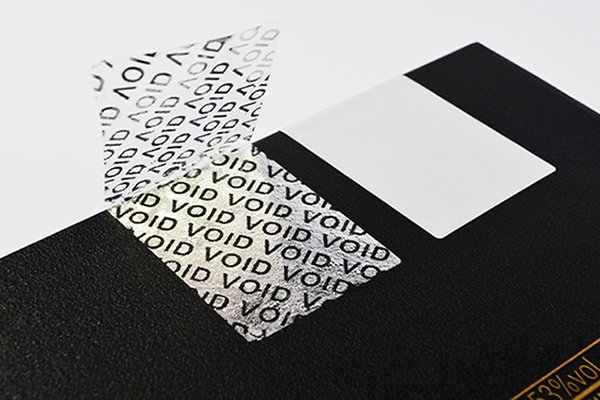
Check the Seal Before Shipment Before
shipping or storage, check whether the tape is fully attached, the printed security message is clear, and there are no loose ends or weak points. For custom VOID tape, buyers should test samples on the actual packaging surface before bulk use to confirm the tamper-evident effect.
EcoSecurityTape Quality Control
EcoSecurityTape follows 5S production management to keep the production area organized, clean, and controlled. During production, our team checks tape material, adhesive performance, printing clarity, cutting accuracy, roll size, and packing condition.
Random sample inspections are carried out during production, and products that do not meet quality standards are removed before packing. This helps ensure that every batch of security tape is suitable for real packaging, logistics, retail, and export use.
Signs of Tampering
Identifying signs of tampering is crucial to ensure the security of your packages. Here’s how you can recognize if your security tape has been compromised:
Visible Messages or Patterns:
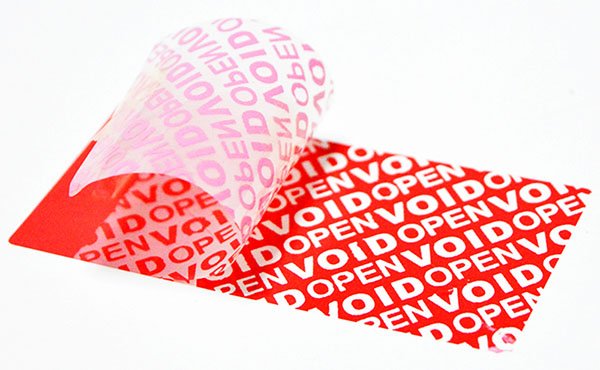
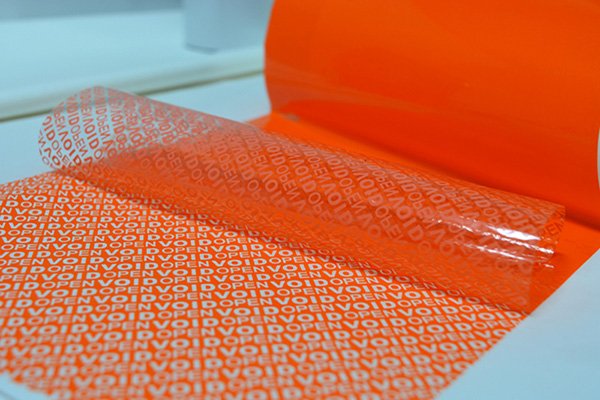
The most obvious sign of tampering is the visibility of any hidden messages or patterns that appear when the tape is peeled away. Security tapes often have a ‘VOID’ message or a distinctive pattern that emerges to indicate that the package has been opened or tampered with.
Tape Disruption:
Check for any disruptions in the tape’s continuity. This could include tears, cuts, or areas where the tape appears to have been lifted and resealed. Even small discrepancies can be a sign of tampering, as thieves can try to access the box’s contents with minimal disruption to the tape.

Residue Differences:
Look for inconsistencies in adhesive residue. If the tape has been removed, there may be less adhesive on the box than expected, or the adhesive might appear smeared or manipulated.
Tape Condition:
Examine the condition of the tape for any signs of aging, such as discoloration or brittleness, which could indicate that the tape was tampered with some time ago. New tape applied over old tape might also be a sign of tampering, as perpetrators may try to cover their tracks.
Alignment Issues:
Check the alignment of the tape, especially if you used a methodical approach like the ‘H’ sealing method. Misalignment might suggest that the tape was removed and reapplied.
Serial Numbers and Seals:
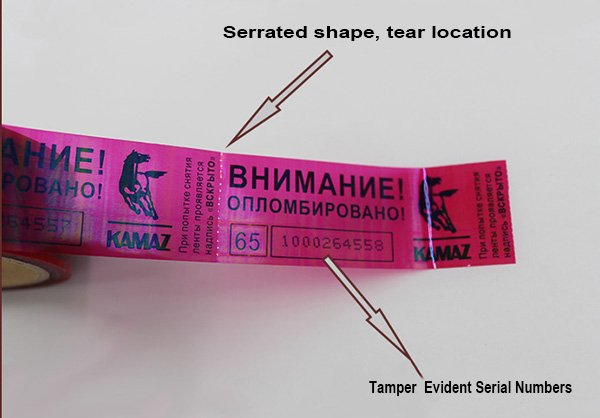
If your security tape includes serial numbers or seals, verify their integrity and consistency. Mismatched or missing serial numbers can be a clear indication of tampering.
Sound and Texture:
When pressing or handling the tape, pay attention to the sound and texture. Security tapes often have a unique texture and sound when pressed or removed, differing significantly from regular tapes.
Inspect the Entire Package:
Beyond the tape itself, inspect the entire package for any other signs of unauthorized access, such as puncture holes, indentations, or re-taped areas.
Security Tape FAQ
Q1: What surfaces can security tape be used on?
Security tape is commonly used on cartons, courier bags, envelopes, labels, plastic packaging, product boxes, and export shipment packaging. For best results, the surface should be clean, dry, and free from dust, oil, or moisture.
Q2: Can I test samples before placing a bulk order?
Yes. EcoSecurityTape can provide free samples for testing, with customers covering the sample shipping cost. Sample testing helps buyers confirm adhesive strength, VOID message clarity, printing quality, and whether the tape works well on the actual packaging surface.
Q3: What is the MOQ for custom security tape?
EcoSecurityTape supports custom security tape orders from 100 rolls. This is friendly for startups, small brands, pilot projects, and buyers who want to test packaging performance before scaling up.
Q4: Can you help with logo and design layout?
Yes. Our team can provide free design layout support based on your logo, warning text, barcode, QR code, serial number, or custom VOID message. This helps reduce communication time and makes artwork confirmation faster before production.
Q5: Can EcoSecurityTape produce other security packaging products?
Yes. In addition to security tape, EcoSecurityTape can also produce tamper-evident labels, security bags, duty-free bags, and other anti-counterfeit packaging products. This helps buyers source multiple packaging items from one supplier instead of coordinating with several factories.
Q6: How can security tape reduce purchasing risk?
Security tape reduces risk by making unauthorized opening easier to identify. For B2B buyers, free sample testing, low MOQ, design support, and one-stop product supply also help reduce testing cost, communication cost, and supplier management risk.
Best Practices for Using Security Tape in Different Scenarios
Security tape is commonly used in logistics, e-commerce, document handling, retail packaging, and export shipments. For B2B buyers, the key is to choose the right tape type based on the package surface, product value, handling process, and required tamper-evident effect.
Sealing Cartons for Logistics and E-Commerce
For e-commerce parcels, warehouse shipments, and distributor deliveries, security tape can be used to seal cartons and shipping boxes. If the tape is removed, the VOID or OPENVOID message becomes visible, making unauthorized opening easier to identify.
Before bulk use, buyers should test the tape on their actual carton surface to confirm adhesive strength, message clarity, and edge adhesion. This is especially important for packages handled through multiple warehouses, courier networks, or cross-border shipping channels.
Protecting Sensitive Documents and Envelopes
Security tape is also useful for sealing document envelopes, file boxes, financial documents, contracts, certificates, and internal records. Compared with ordinary tape, tamper-evident tape helps show whether the package has been opened during transfer.
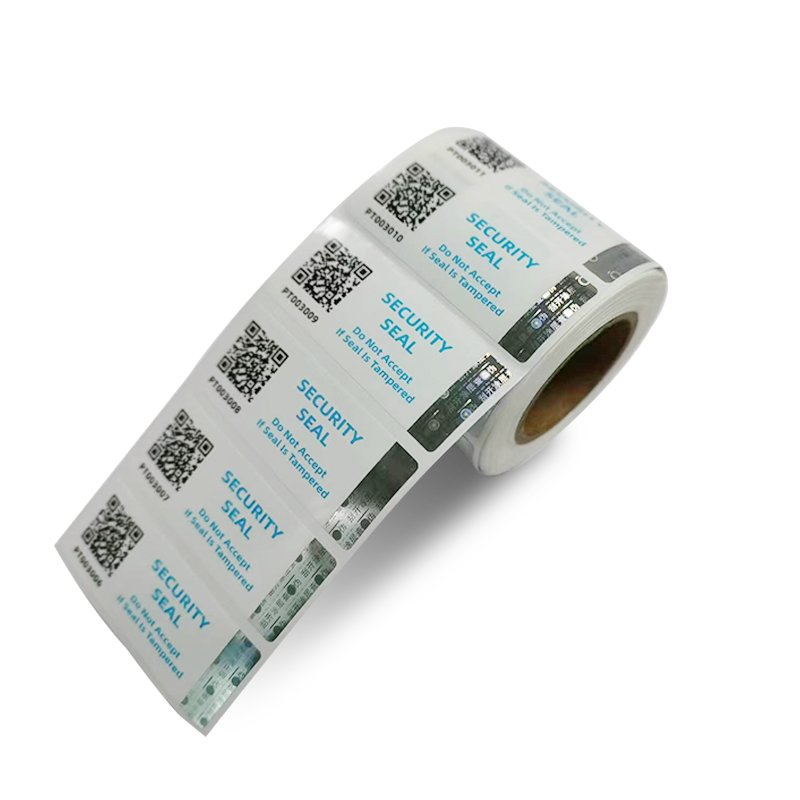
For document applications, buyers can choose custom printed tape with logo, warning text, serial number, barcode, or QR code. This helps improve package identification and supports better internal record keeping.
Securing Retail and High-Value Products
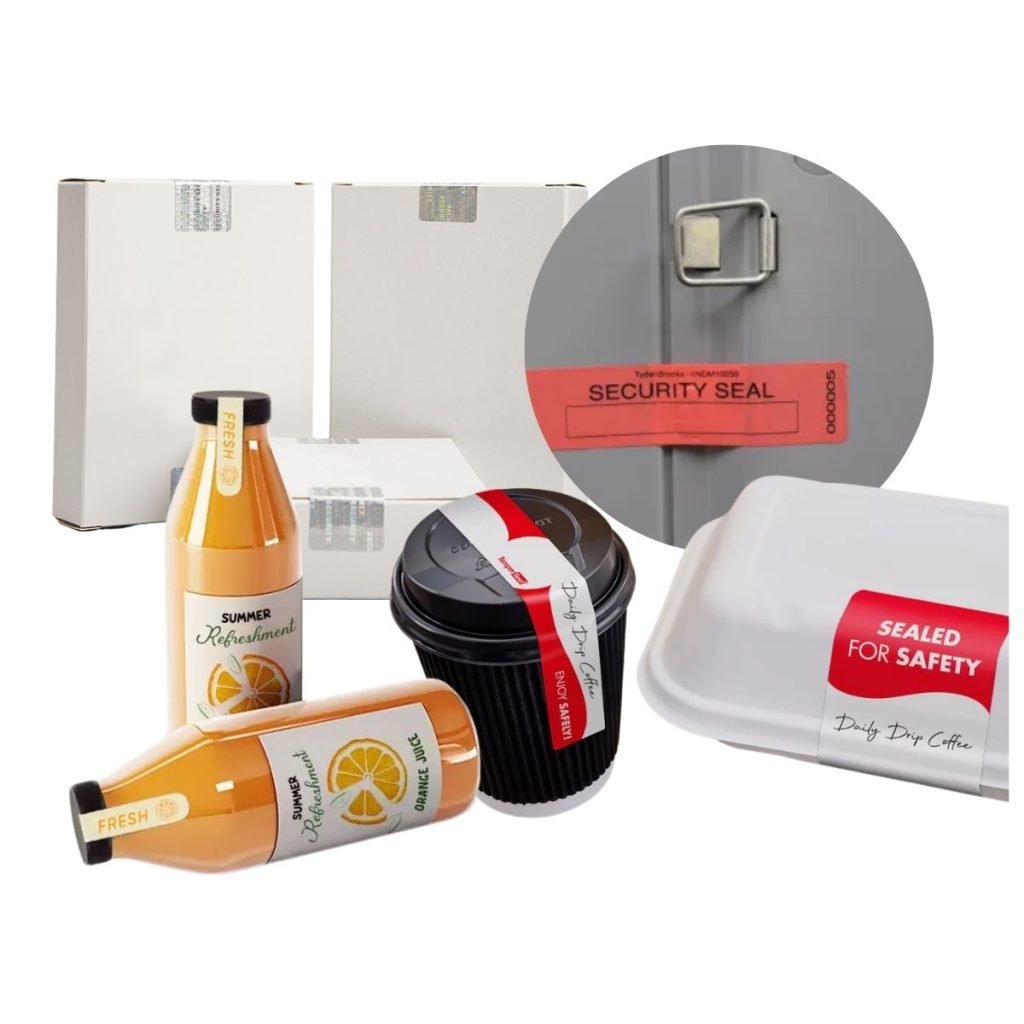
Retail brands, electronics sellers, cosmetics companies, supplement brands, and other product suppliers can use security tape on product boxes, cartons, labels, or outer packaging. The visible tamper-evident effect helps reduce product switching, unauthorized opening, and after-sales disputes.
For these applications, the tape should be easy for staff to apply, clear for customers to understand, and suitable for the packaging surface. Custom printing can also help combine security with brand recognition.
Export and Bulk Shipment Packaging
For export orders and bulk shipments, security tape can help buyers add a visible security layer to cartons, pallets, shipping boxes, and outer packaging. This is useful when goods pass through multiple handling points before reaching the final customer.
Buyers should confirm tape width, roll length, adhesive type, VOID effect, printing design, packing method, and order quantity before production. Sample testing is recommended before large orders to reduce packaging risk.
Food Transportation
Food and pharmaceutical packaging often requires stronger sealing performance than general cartons. The tape should help reduce dust, moisture, leakage, and unauthorized opening during storage, transport, and delivery.
For food products such as baked goods, snacks, sauces, dairy products, seafood, and prepared meals, security tape can be used on outer cartons, insulated boxes, foil bags, or composite packaging. Buyers should choose tape based on the packaging surface, storage temperature, moisture exposure, and required tamper-evident effect.
For food stored at room temperature (e.g., biscuits, nuts), food-grade sterile security packing tapes are used: the tape base material is FDA (U.S. Food and Drug Administration)-certified, free of harmful substances such as plasticizers and heavy metals.
For example, a bakery uses “aluminum foil bags + sterile security packing tape” to package freshly baked bread; the temperature resistance of the tape can adapt to a 40°C warehouse environment, extending the shelf life of the bread from 3 days to 7 days without any food safety complaints caused by tape contamination.
When a cold chain logistics company delivers seafood for a fresh e-commerce platform, it uses this type of tape to seal the joints between foam boxes and inner fresh-keeping bags. Even after 24 hours of in a -18°C transportation environment, the inside of the boxes remains sealed, and the freshness loss rate of the seafood after thawing is reduced to less than 5%.
Pharmaceutical Transportation
Pharmaceutical packaging has even stricter requirements for tapes—especially for sterile pharmaceuticals such as injections and biological agents, pharmaceutical-grade impermeable security packing tapes must be used: the tape surface is smooth and non-porous, blocking the entry of bacteria and dust, and has good chemical stability, without reacting with pharmaceutical packaging (e.g., outer boxes of glass medicine bottles, pharmaceutical aluminum-plastic panels). Some products are also designed with “easy-tear lines” to facilitate medical staff to quickly open the packaging during use while avoiding debris generated during opening from contaminating the pharmaceuticals.
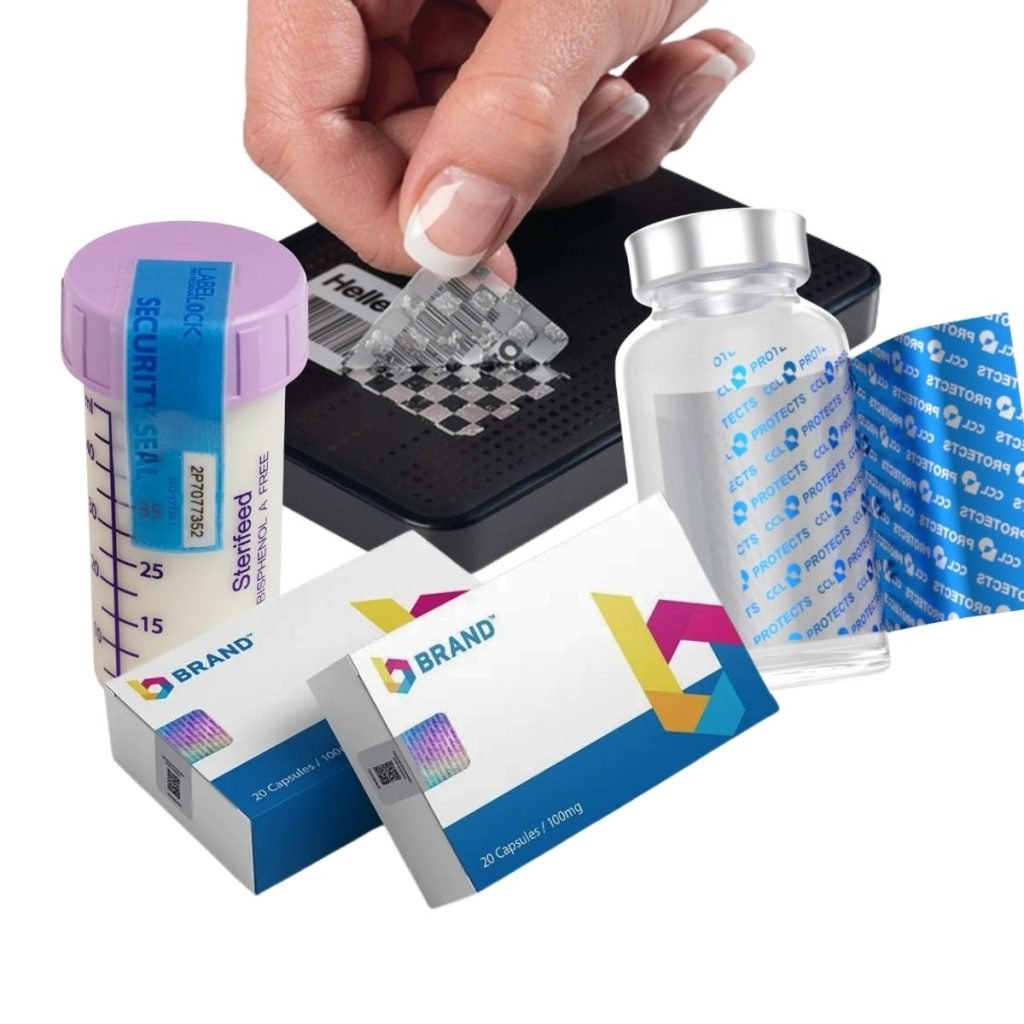
In the transportation of special pharmaceuticals such as vaccines, tapes need to be linked with the “cold chain traceability system”: the tapes are printed with unique traceability codes; scanning the codes allows access to information such as the vaccine’s batch number, expiration date, and cold chain transportation temperature records, meeting the “full-process traceability” requirements of the national drug regulatory authority. For example, when a biopharmaceutical company transfers COVID-19 vaccines across provinces, it uses pharmaceutical-grade security packing tapes to seal vaccine transportation boxes.
The traceability codes on the tapes are synchronized in real time with the data from the temperature recorders inside the boxes. Regulatory authorities can check at any time through the traceability codes whether the vaccines have deviated from the specified 2-8°C environment during transportation, ensuring the safety and effectiveness of the vaccines.
Eco-Friendly Security with EcoSecurity Tape
EcoSecurityTape provides eco-friendly tamper-evident packaging for B2B buyers, including security tape, labels, tamper-evident bags, and duty-free bags. Our products help protect packages from unauthorized opening while supporting more sustainable packaging choices.
We support custom orders from 100 rolls, which is friendly for startups, small brands, and new product testing. Buyers can request free samples, with only the sample shipping cost covered by the customer, to test adhesion, VOID message clarity, printing quality, and surface compatibility before bulk production.
Our team can also provide free design layout support based on your logo, QR code, barcode, serial number, warning text, or custom security pattern. This helps reduce communication time and speed up artwork confirmation.
With eco-friendly biodegradable materials designed for EU and U.S. market requirements, EcoSecurityTape offers both security and sustainability. From labels and tapes to security bags, we provide one-stop packaging support so buyers do not need to coordinate with multiple suppliers.
Conclusion
Using security tape goes beyond basic packing; it’s key for protecting goods from tampering and theft during transit and storage. Knowing the different types and applying them correctly can boost your shipment’s security. It’s about more than just sealing; it’s about creating a visible barrier against unauthorized access. Plus, spotting tampering signs is vital for quick action to avoid losses or privacy issues. Paying attention to detail and regular checks are essential for effective security measures.
Seal with Purpose: Choose EcoSecurity Tape
Seal your commitment to the environment and security. Opt for EcoSecurity Tape and make every package count towards a greener tomorrow.

Focus on tamper evident packaging, free sample for test, small-batch MOQ, let’s have a talk.