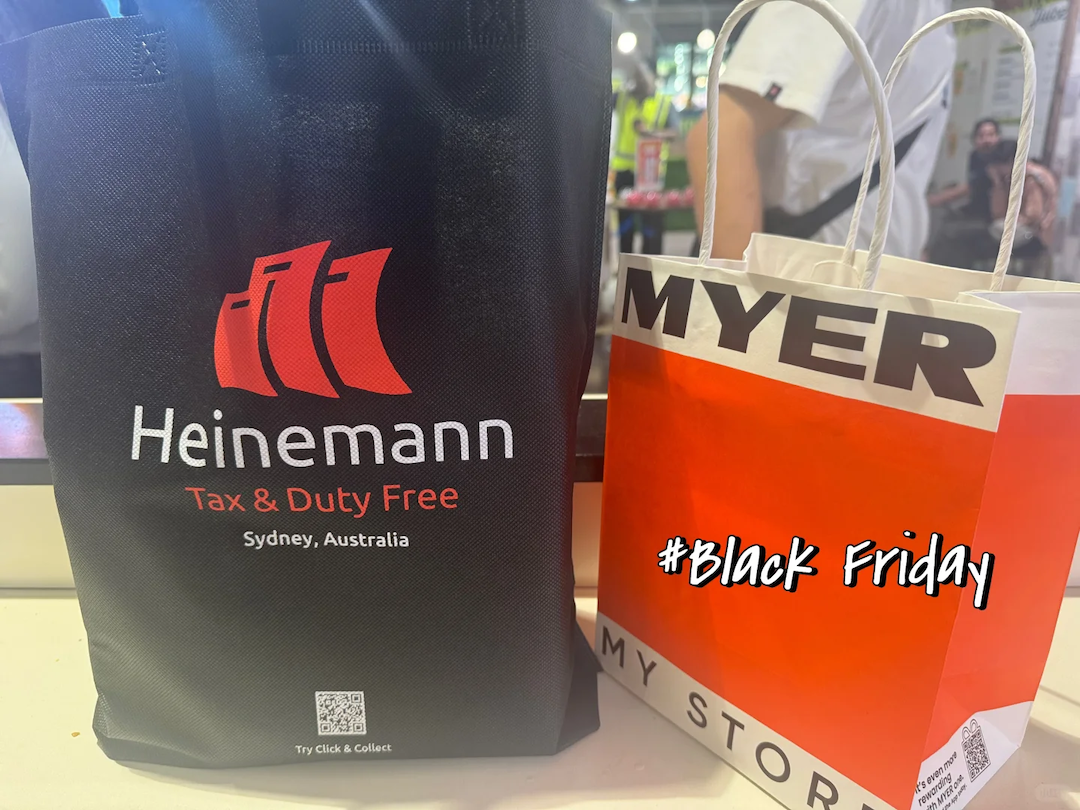
Heinemann Duty Free Overview
A Century-Old European Duty Free Leader Built on Compliance
Founded in 1879 and headquartered in Hamburg, Germany, Gebr. Heinemann is one of the world’s oldest and most compliance-driven travel retail and duty free groups. Unlike Asian duty free brands such as Lotte or Shilla, which are often characterized by rapid expansion and strong marketing visibility, Heinemann’s long-term competitive strength has consistently been anchored in regulatory compliance, anti-illicit trade practices, and a highly resilient supply chain.
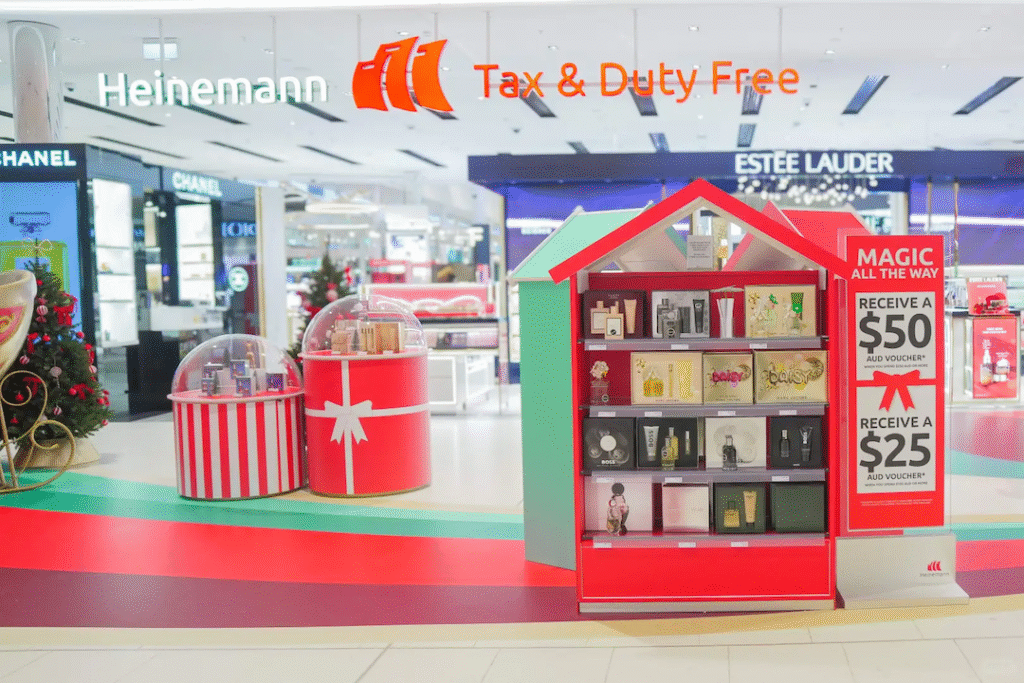
Operating primarily in Europe—one of the most strictly regulated airport retail environments globally—Heinemann has adopted a business philosophy where compliance takes precedence over scale, and trust outweighs speed. This approach has enabled the group to maintain stable operations while building long-standing partnerships with airport authorities, customs agencies, and aviation security bodies.
Today, Heinemann operates across Europe, the Middle East, Africa, and selected Asia-Pacific markets, participating in duty free and travel retail projects at major international airports and transport hubs. Within this framework, Heinemann Duty Free Bags are subject to particularly high standards. In Europe especially, duty free bags are not treated as simple retail packaging, but as an integral part of the compliance ecosystem.

As a result, Heinemann Duty Free Bags are designed to support full traceability, tamper-evidence, and cross-border regulatory compatibility. They serve as a compliance interface linking duty free sales, airport security screening, and customs inspection—functioning not merely as carriers of goods, but as critical tools that reinforce regulatory trust throughout the entire travel retail journey.
Why Heinemann Duty Free Bags Matter
Duty Free Bags as a Core Part of Compliance
For Heinemann, duty free bags are never treated as simple shopping accessories. Heinemann Duty Free Bags are positioned as a critical interface embedded within airport security screening, customs control, and anti-illicit trade frameworks.
In the highly regulated European airport retail environment, customs and security authorities follow standardized inspection procedures for duty free goods. Heinemann Duty Free Bags serve as the first compliance touchpoint in this process, carrying multiple regulatory responsibilities through their design and structure.
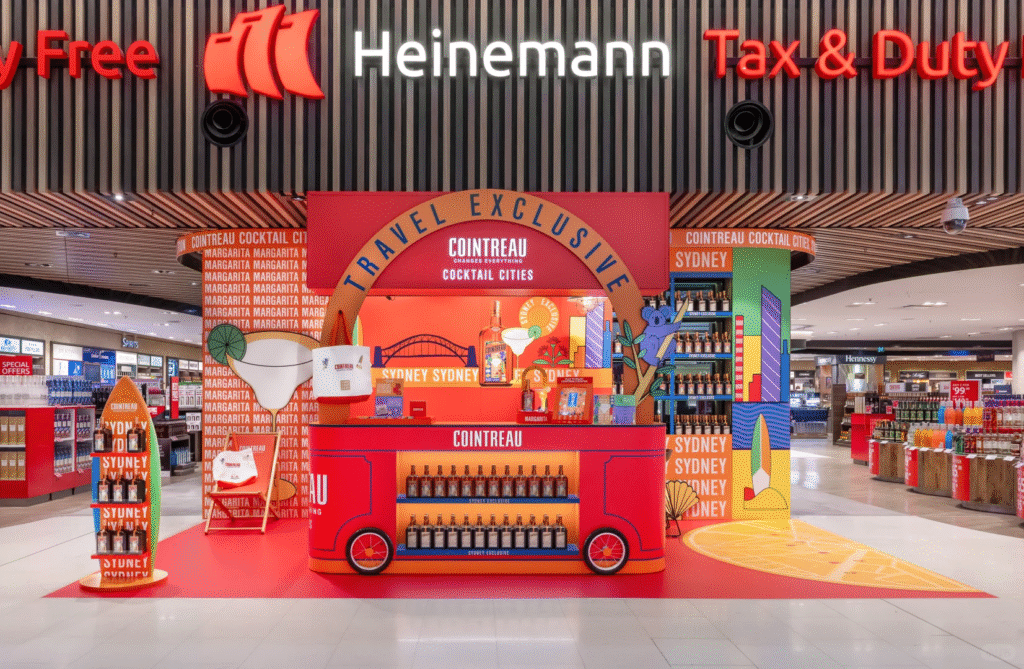
First, a compliance interface.
Heinemann Duty Free Bags must accurately reflect IATA STEB requirements, liquid transport regulations, and mandatory multilingual compliance notices. Every design detail corresponds to a specific regulatory expectation—for example, transparent bag construction allows security officers to visually inspect contents without obstruction, minimizing inspection friction.
Second, a security barrier.
For high-risk categories such as spirits and tobacco, Heinemann Duty Free Bags are designed to deliver triple protection: tamper evidence, substitution prevention, and leak resistance. These features help prevent unauthorized access, product replacement, or leakage during transit—issues that could otherwise trigger regulatory scrutiny.
Third, a trust credential.
Within European customs systems, compliant Heinemann Duty Free Bags function as an implicit proof of legitimacy. Elements such as unique bag coding, irreversible sealing mechanisms, and enclosed purchase receipts enable customs officers to quickly verify product origin and legality, reducing the need for manual intervention.
This positioning explains why Heinemann maintains an extremely low tolerance for packaging errors. Non-compliant duty free bags can lead not only to customer inconvenience, but to product detention, financial penalties, and even risks to long-term airport partnerships.
At major European hubs such as Hamburg Airport, Heinemann’s long-standing cooperation—maintained and renewed over decades—has been supported by a comprehensive compliance ecosystem, in which Heinemann Duty Free Bags play a foundational role.
Heinemann Duty Free’s Footprint and Packaging Challenges
Global Expansion and the Complexity of Duty Free Bags
Heinemann’s multi-regional footprint significantly amplifies the compliance and execution challenges for Heinemann Duty Free Bags.
The company’s duty free network follows a clear “Europe-focused, globally extended” structure, covering three main regions: mature European airport systems (such as Hamburg, Frankfurt-Hahn, Paris Charles de Gaulle, and Stockholm), major Middle Eastern aviation hubs (including Dubai and Doha), as well as African border outlets and selected cross-border locations. In parallel, Heinemann maintains a strategic presence in the Asia-Pacific region, including Sydney, Kuala Lumpur, and Macau.
This geographically diverse footprint means that Heinemann Duty Free Bags can no longer rely on a single uniform standard, but must operate within a consolidated framework capable of addressing multiple regulatory environments simultaneously.
First, significant regulatory variation increases compliance complexity.
Different regions impose different priorities on duty free packaging. In the European Union, materials must comply with REACH regulations, restricting the use of specific chemical substances. International routes must align with the latest IATA STEB requirements, including updates introduced in the 67th edition of the IATA Dangerous Goods Regulations (2026). Meanwhile, certain Middle Eastern and African markets impose additional anti-illicit trade measures for tobacco and spirits, often requiring enhanced traceability features and anti-counterfeiting elements.
As a result, Heinemann Duty Free Bags must accommodate multiple compliance layers within a single packaging system.
Second, a high-risk product mix demands precise protective performance.
More than 50% of Heinemann’s product assortment consists of spirits, tobacco, and high-value gift items. Products such as whisky, vodka, and French or Italian wines—often priced 10–15% lower than off-airport retail—are key traffic drivers.
At the same time, these categories are subject to intensified customs scrutiny and are vulnerable to leakage, breakage, or substitution. This makes it essential for Heinemann Duty Free Bags to deliver targeted protection against tampering, leakage, and physical damage, rather than serving merely as basic carriers.
Third, strict airport inspections leave little room for error.
At major European and Middle Eastern airports, inspection standards extend to operational details: traceable bag coding, irreversible sealing integrity, compliant multilingual labeling, and environmentally approved materials. Any deficiency may trigger secondary inspections, affecting passenger flow and brand perception.
Under these conditions, Heinemann Duty Free Bags must achieve a high level of standardization while maintaining sufficient compliance redundancy, ensuring reliable performance across different regulatory scenarios without compromising operational efficiency or brand trust.
Heinemann Duty Free Bags Compliance Requirements
A STEB-Centered Compliance Framework
Heinemann Duty Free Bags are built on a compliance framework centered around STEB (Security Tamper-Evident Bags).
Rather than relying on airport-specific or country-specific packaging solutions, Heinemann adopts a “global standard + regional supplement” model, positioning duty free bags as an integral part of its compliance infrastructure.
In practice, this framework is implemented through four core compliance dimensions.
1. IATA STEB Core Standards (Mandatory Compliance)
All Heinemann Duty Free Bags strictly comply with the latest IATA STEB regulations. Under the 2026 IATA guidelines, liquid items must not exceed 100ml per container and 1L in total.
Bags are standardized at 20×20cm and fully transparent, allowing security officers to visually inspect both products and receipts without opening the bag. An irreversible sealing structure ensures that any opening attempt is immediately detectable.
2. Anti-Tampering Requirements
Heinemann Duty Free Bags utilize high-strength VOID tamper-evident seals. Once opened, a permanent “VOID” message appears and cannot be restored.
All bag seams are heat-sealed rather than mechanically or manually opened, physically preventing re-opening and re-sealing. This design directly supports customs requirements related to anti-smuggling and product substitution prevention.
3. Multilingual Labeling Standards
Each Heinemann Duty Free Bag features bilingual labeling in English plus the local language. The core message “Sealed until final destination” is printed in characters no smaller than 5mm and positioned on the upper-right front area of the bag to avoid obstruction.
European locations often add German, French, or Spanish, while Asia-Pacific locations may include Chinese or Malay, ensuring clarity for both passengers and regulatory authorities.
4. Traceability and Verification Mechanisms
Every Heinemann Duty Free Bag carries a unique 16-digit identification code.
This code links the bag to the sales system and customs databases, binding the product, receipt, and passenger information together. Receipts are folded and sealed inside the bag alongside the product, enabling fast verification through scanning or system queries during customs checks.
This STEB-centered compliance system has made Heinemann Duty Free Bags a model of “customs-friendly packaging.”
Across major European airports, this approach consistently delivers high clearance success rates and significantly reduces operational and regulatory risk.
Heinemann STEB Duty Free Bags for Liquid Products
Standardized Solutions for Spirits and Liquid Items
Within the Heinemann Duty Free Bags system, STEB bags represent the standard solution for liquid products.
Spirits such as whisky, vodka, wine, perfumes, and liquid gift sets are all required to be packed in STEB (Security Tamper-Evident Bags). These liquid categories account for more than 30% of Heinemann’s duty free sales and form the core application scenario for Heinemann STEB Duty Free Bags.
In a highly regulated aviation retail environment, STEB bags address three critical challenges in cross-border liquid product circulation, serving as the “security foundation” for compliant duty free operations.
1. Leak Prevention: Alcohol-Resistant Structural Design
Heinemann Duty Free Bags use food-grade, alcohol-resistant PE material with a thickness of approximately 0.12mm, exceeding standard duty free bag specifications.
Bag seams are sealed using double heat-sealing technology, with sealing temperatures maintained around 180°C, ensuring consistent sealing strength. This design effectively prevents leakage even when bottles are tilted or exposed to impact during baggage handling.
2. Anti-Substitution: Irreversible Structure and Process Control
In addition to VOID tamper-evident seals, Heinemann STEB Duty Free Bags incorporate single-use anti-counterfeit labels aligned with the bag’s unique identification code.
These labels cannot be restored once removed. Sales staff are also required to seal the products within the passenger’s line of sight, combining structural safeguards with operational procedures to prevent substitution—especially for high-value whiskies and limited-edition wines.
3. Faster Customs Clearance: Reduced Verification Time
Purchase receipts are sealed inside the STEB bag together with the product.
This allows customs officers to instantly verify consistency between the product, value, and receipt without requiring additional passenger input. At high-traffic hubs such as Frankfurt and Dubai, average inspection time per passenger can be reduced from 3–5 minutes to approximately 1 minute, improving passenger experience while easing inspection workloads.
Through this STEB-centered application model, Heinemann Duty Free Bags achieve a high level of integration between compliance, security, and efficiency.
STEB bags are not merely regulatory packaging—they function as a core infrastructure supporting the secure and compliant movement of liquid duty free goods across global airports.
Heinemann Duty Free Bags Sustainability & Eco-Friendly
A Compliance-First Approach to Sustainable Packaging
Within the Heinemann Duty Free Bags system, sustainability never comes at the expense of compliance or safety.
As a compliance-driven European duty free leader, Heinemann adopts a pragmatic approach to eco-friendly packaging—focused on reducing environmental impact without compromising protection, traceability, or regulatory acceptance.
1. Compliance as the Foundation of Sustainability
For Heinemann Duty Free Bags, any sustainability upgrade must first pass strict safety and regulatory evaluation. This means:
- No reduction in structural strength for “green labeling”
- No compromise on tamper evidence or leak resistance
- No experimental materials for high-risk categories like spirits and tobacco
Sustainability is implemented within the compliance framework, not outside it.
2. Material Strategy: Recyclability Over Radical Biodegradability
Heinemann primarily uses EU-certified recyclable PE materials for its duty free bags, ensuring compatibility with existing airport recycling systems while maintaining chemical resistance and durability.
Through process optimization, standard bag thickness has been reduced from 0.10mm to 0.08mm, lowering plastic usage by approximately 20% without affecting performance.
3. Design for Recycling: Mono-Material Priority
Heinemann Duty Free Bags avoid complex multi-layer constructions that hinder recycling. By maintaining a mono-material structure, the bags remain practical and recoverable within real-world recycling infrastructures.
4. Why PLA Is Deferred
Although PLA materials are gaining attention in Europe, Heinemann remains cautious due to limitations in alcohol resistance, tear strength, and sealing stability. Until these risks are fully addressed, PLA adoption is intentionally postponed.
5. Sustainability as a Brand Statement
This cautious, results-driven approach reinforces Heinemann’s brand identity—
sustainability grounded in professional judgment, risk control, and long-term responsibility, not marketing trends.
Global Duty Free Brands Learn from Heinemann Duty Free Bags
What Global Duty Free Operators Can Learn from Heinemann
The Heinemann Duty Free Bags strategy offers a highly replicable, compliance-first methodology for global duty free brands.
For operators active in tightly regulated regions such as Europe and the Middle East, Heinemann demonstrates that long-term airport retail success is built on regulatory alignment rather than short-term marketing innovation.
1. Compliance First, Marketing Second
Heinemann Duty Free Bags prioritize regulatory stability over brand exposure. In mature regulatory environments, packaging primarily serves to reduce risk, streamline inspections, and ensure operational continuity.
This principle is especially relevant for global operators like DFS and Dufry—only after a solid compliance foundation is in place can customization and branding be sustainably developed.
2. STEB as a Unified Compliance Framework
By using STEB bags as a global baseline, Heinemann ensures that its duty free packaging is inherently cross-border compliant. Regional requirements are layered on top, enabling standardization while maintaining flexibility.
3. Packaging as a Regulatory Interface
Heinemann treats duty free bags as an extension of customs and security workflows. Through traceable codes, irreversible seals, and sealed receipts, Heinemann Duty Free Bags reduce inspection effort and increase clearance efficiency—strengthening trust with regulators.
4. Restrained Design for High-Regulation Markets
In strict regulatory environments, understated and professional packaging outperforms marketing-heavy designs. Heinemann Duty Free Bags reflect reliability and compliance, aligning with both regulatory expectations and premium customer perceptions.
How EcoSecurityTape Supports Heinemann Duty Free Bags
EcoSecurityTape specializes in highly regulated, high-risk airport duty free packaging and fully understands the compliance-driven logic behind Heinemann Duty Free Bags.
We provide end-to-end solutions covering design, compliance, production, and delivery to support Heinemann-style global airport operations.
1. Compliance & Security Built on STEB Standards
Our STEB duty free bags comply with the latest IATA 2026 regulations, EU REACH standards, and anti-illicit trade requirements. Alcohol-resistant PE materials, double heat-sealed seams, and irreversible VOID seals ensure leak prevention and tamper evidence, while 16-digit traceability codes enable seamless alignment between product, receipt, and customs verification.
2. Restrained Customization Without Regulatory Interference
EcoSecurityTape supports low-profile customization for Heinemann Duty Free Bags, including subtle logos and category color coding. All design elements are strictly controlled to avoid obstructing compliance markings or inspection visibility, while structural options such as reinforced handles and EVA padding are tailored to product risk levels.
3. Sustainability and Supply Chain Reliability
We provide recyclable PE solutions with lightweight optimization, balancing environmental responsibility with protection performance. With regional warehouses in Europe and Asia-Pacific, EcoSecurityTape enables 48-hour emergency replenishment and offers free samples and compliance consultation to reduce validation risks in real airport environments.
Contact EcoSecurityTape
If you are looking for Heinemann-style duty free bag samples designed for highly regulated airport environments, or need consultation on a compliance-driven duty free packaging solution, please feel free to contact us:
Email: info@ecosecuritytape.com
WhatsApp: +1 615 480 2757
Our team will arrange a one-on-one consultation with duty free compliance specialists, providing end-to-end support—from packaging design and regulatory validation to production and delivery—helping your brand build a duty free bag system with zero compliance risk, high protection performance, and stable operational efficiency.
👉 To gain a broader understanding of global standards and best practices, we also recommend reading our pillar guide:
Global Duty Free Bags Guide 2026
https://ecosecuritytape.com/global-duty-free-bags-guide/

Focus on tamper evident packaging, free sample for test, small-batch MOQ, let’s have a talk.