What is Security Label?
A Security Label, also known as an anti-counterfeiting security label, is a professional security identification product that integrates labeling, traceability, tamper-evident, and tamper-proof features. It is widely used in industries where strict authentic product control is critical—such as high-end consumer goods, precision electronics, luxury goods, food and alcohol, and pharmaceutical products.
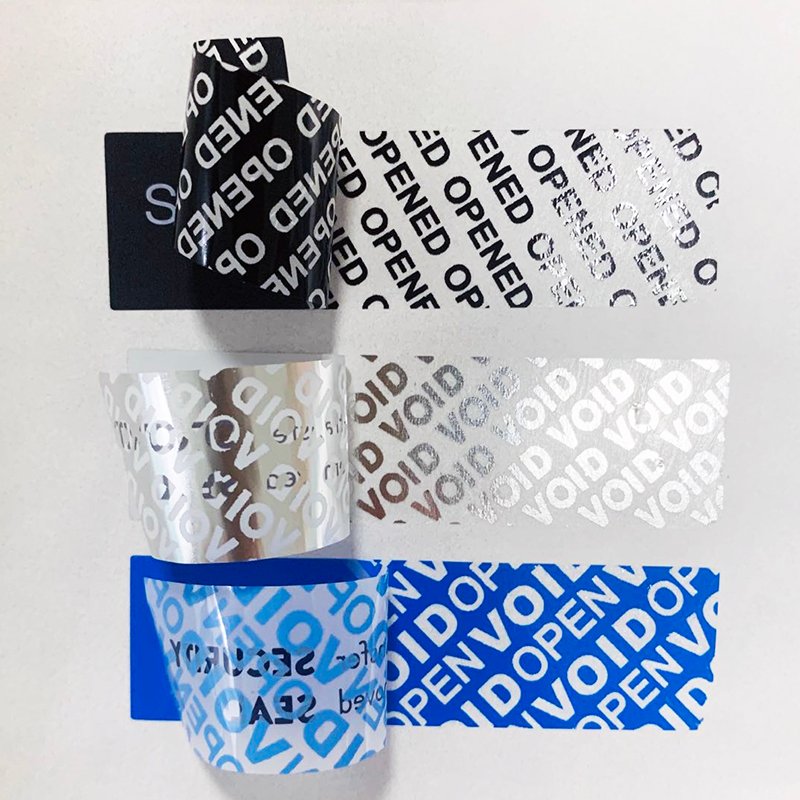
Unlike standard labels, the core advantage of a Security Label lies in its tamper-evident and tamper-proof design. Once it is peeled off, removed, or tampered with, it leaves irreversible, visible traces immediately—effectively preventing unauthorized opening, product swapping, refurbishment, and gray market diversion at the physical level. For example, if a counterfeiter tries to remove the label from a luxury handbag or a high-end electronic device to pass a fake off as genuine, the label will tear or leave a “VOID” mark that cannot be erased, making tampering obvious to retailers, inspectors, and end consumers.
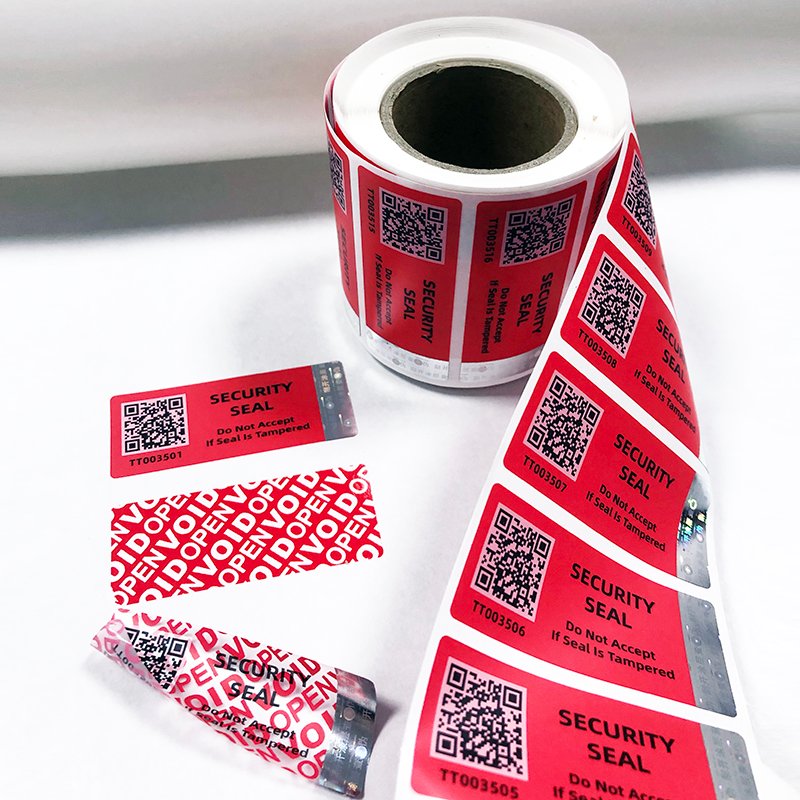
More than just a “product ID,” Security Labels serve as a critical safeguard for brand value and consumer trust. In cross-border trade and global supply chains, they have become a standard for high-end brands. For instance, luxury brands often use security labels to track products from manufacturing to retail, ensuring that authentic goods reach authorized channels and preventing gray market diversion. Similarly, pharmaceutical companies rely on these labels to prevent counterfeit drugs from entering the market, protecting both consumer safety and brand reputation.
Additionally, Security Labels streamline verification processes for customs, quality inspection agencies, and after-sales teams. Inspectors can quickly authenticate products on-site—saving time and reducing the risk of counterfeit goods entering the market. This not only minimizes losses from brand infringement but also enhances product compliance and market competitiveness, helping brands build long-term trust with consumers in an increasingly competitive global marketplace.
Tamper Evident Labels Work in Security Label Solutions
The working principle of tamper evident labels is straightforward yet highly effective: any attempt at tampering leaves clear and irreversible evidence. As a core component of modern tamper evident solutions, these labels rely on specialized coatings and layered material structures to deliver reliable anti-tampering performance. Common types include full transfer VOID labels, destructible labels, and non-residue (hidden message) labels. When someone tries to peel, scratch, or lift the label, the surface layer breaks, separates, or transfers text onto the applied surface, leaving permanent markings such as “VOID” or “OPENED.”
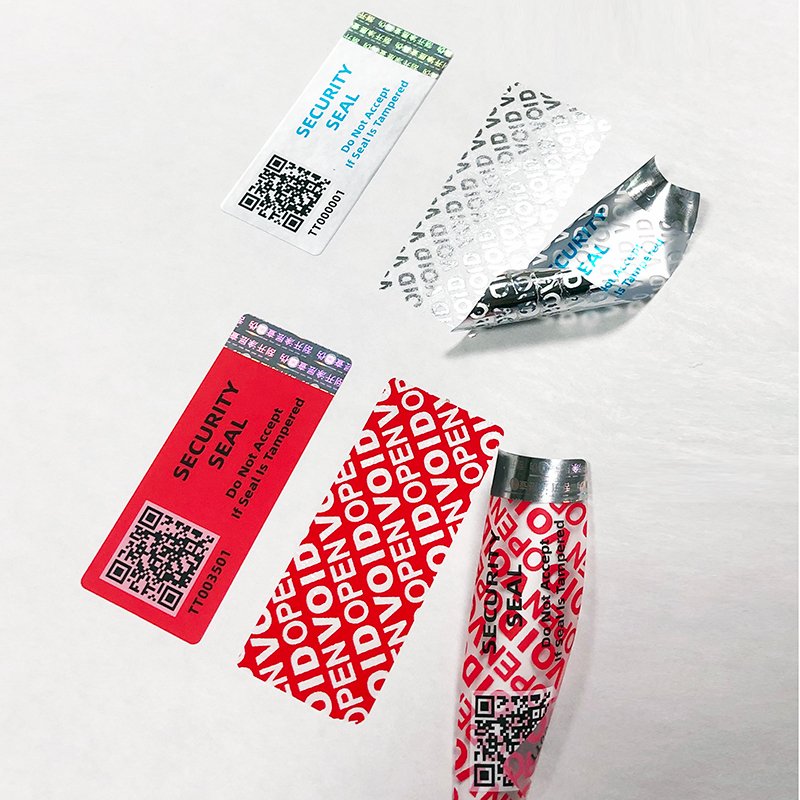
These markings cannot be removed, repaired, or restored by wiping or reapplying the label. With just a visual inspection, users can immediately determine whether a product has been tampered with. This simple yet robust mechanism is one of the key reasons why security label solutions based on tamper evident technology are widely adopted across global industries.
Compared to ordinary adhesive labels, tamper evident labels do not require any specialized equipment for verification. The tampering evidence is visible to the naked eye, making them cost-effective and highly practical. As part of integrated security label solutions, they are suitable for automated production lines, retail packaging, and logistics sealing applications.
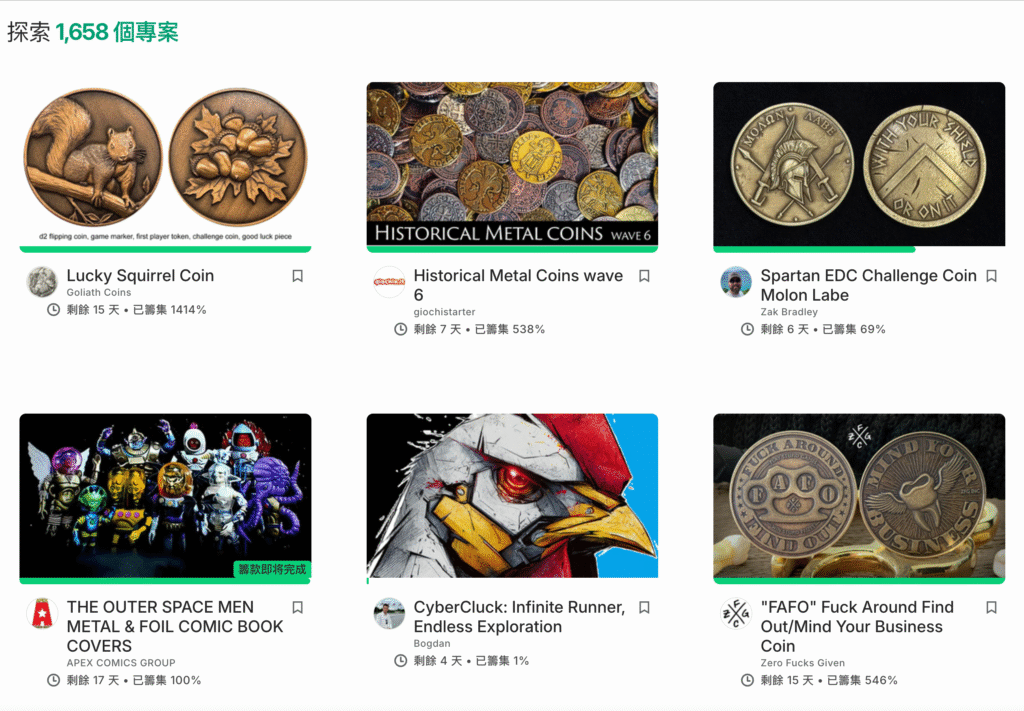
For example, many creators in the Kickstarter crowdfunding community use tamper evident labels to secure collectible coins and limited-edition products. When backers receive their items, they can quickly inspect the label—if a “VOID” message appears or the label is damaged, it indicates the package has been opened or tampered with before delivery. This simple verification process helps build trust between creators and supporters while protecting brand reputation.
Another common application can be seen in the consumer electronics sector. Retailers in the United States often apply tamper evident labels on the packaging of high-end headphones or smartwatches. If a returned product shows signs of label damage or removal, the retailer can immediately determine that the item has been opened or altered, effectively preventing return fraud. This practical functionality makes tamper evident labels a foundational component of today’s security label solutions, widely used for product protection, authentication, and supply chain security worldwide.
Tamper Proof Labels Core Advantages
Tamper Proof Labels can be seen as an upgraded version of traditional tamper evident solutions. While standard labels mainly focus on “leaving visible evidence after tampering,” Tamper Proof Labels go a step further by addressing intentional damage, reuse prevention, and re-sealing attempts. For this reason, they are widely regarded by premium brands in Western markets as a higher-level security labeling solution.
From a structural perspective, these labels are typically made with thicker base materials, high-strength adhesives, and multi-layer composite constructions. This not only ensures stronger adhesion but also provides greater environmental stability. Whether exposed to temperature fluctuations during international shipping or humidity in warehouse storage, the labels maintain consistent performance without lifting or peeling.
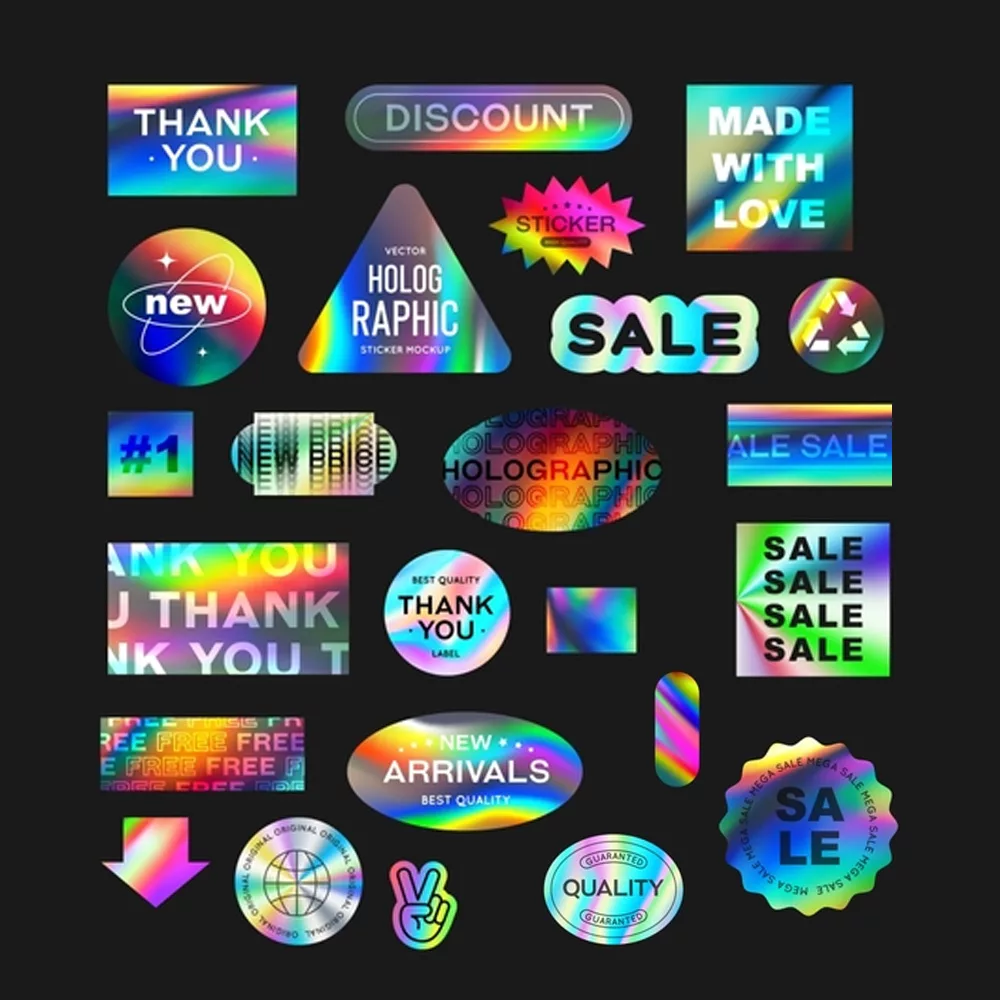
More importantly, any attempt to forcibly remove the label—whether by peeling, scratching, cutting, or trying to remove it intact for reuse—will result in complete destruction, fragmentation, or delamination. This irreversible damage mechanism effectively prevents product refurbishment, resealing, or part replacement, significantly increasing the cost and difficulty of counterfeiting.
A practical example from today’s cross-border e-commerce market further illustrates this:
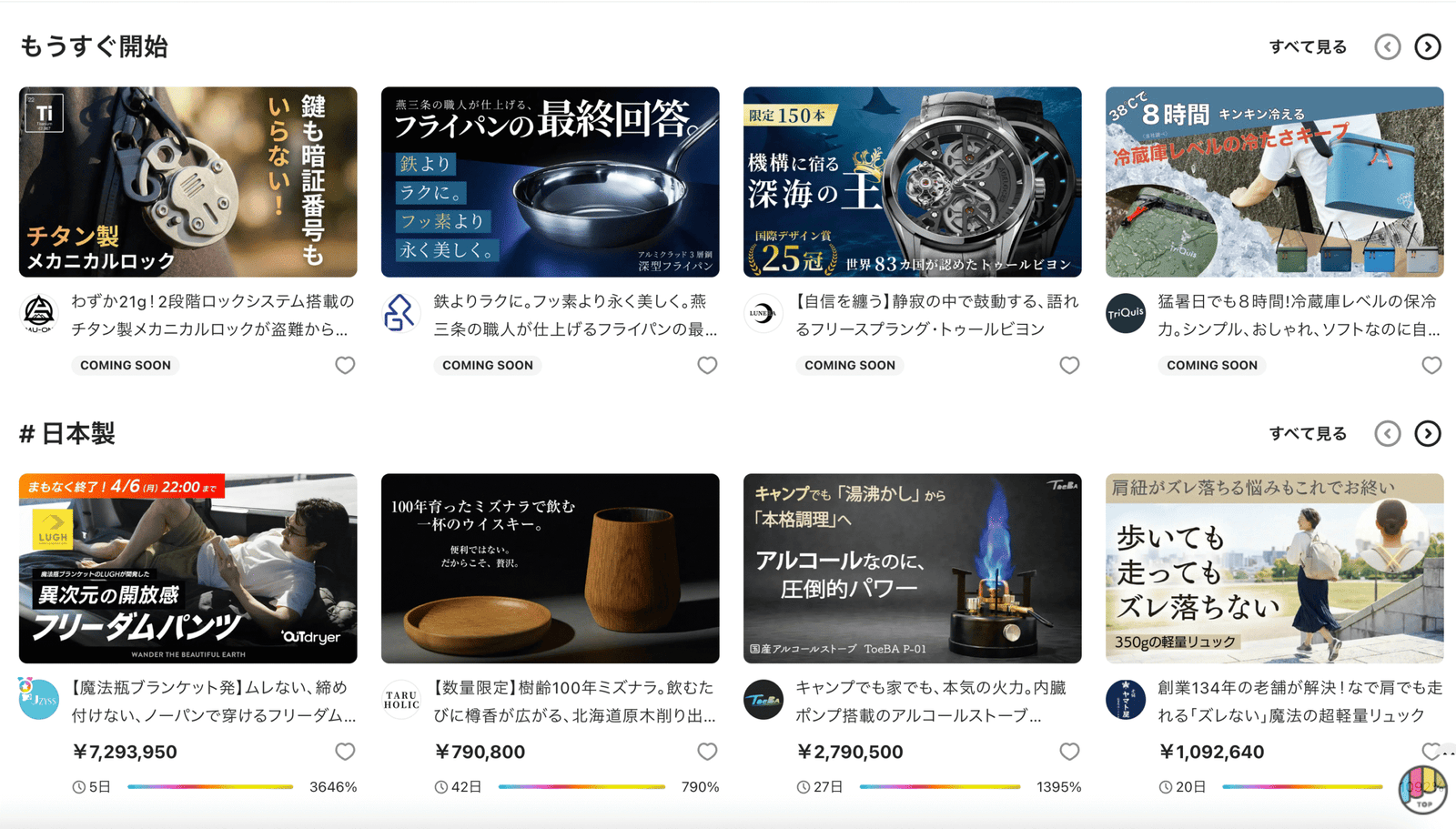
Many Japanese customers have approached EcoSecurityTape for tamper-proof labeling solutions when launching products on the Makuake crowdfunding platform. When selling high-end collectible cards or limited-edition trading cards, they apply Tamper Proof Labels to seal envelopes. Upon receiving the package, customers can simply check whether the label is intact. If the label shows any sign of damage or removal, it clearly indicates that the package may have been opened during transit. This straightforward verification method significantly enhances trust between sellers and buyers while protecting the creator’s brand reputation.
From a brand perspective, Tamper Proof Labels are more than just a physical security measure—they are also a risk control and trust management tool. They enable fast, visual verification without the need for specialized equipment, reduce disputes, and reinforce a professional and reliable brand image in the eyes of consumers.
Security Labels Main Types
In real-world applications, security labels are not a one-size-fits-all solution. Different products, packaging materials, and sales scenarios require different levels of protection. Therefore, mainstream security labels are typically divided into four main types: full transfer, non-transfer, destructible, and anti-tear (high-strength) labels, each designed to meet specific application needs.
Full Transfer Security Labels
The key feature of full transfer labels is that once removed, the security layer transfers 100% onto the applied surface, leaving permanent and irreversible marks such as “VOID,” “OPENED,” or custom logos.
Typical applications:
- Screw sealing for electronics such as smartphones and drones
- Packaging seals for premium alcohol and luxury goods
- Warranty control labels
Real-world example:
Devices like the iPhone use full transfer labels on screw positions. If unauthorized repair occurs, the label leaves a clear “VOID” mark, allowing after-sales teams to quickly determine that the device has been opened and void the warranty.
👉 Best for: high-value products + zero-tolerance tampering scenarios
Non-Transfer Security Labels
Non-transfer labels leave no adhesive residue or damage on the product surface after removal. The tamper evidence appears on the label itself rather than on the applied surface.
Typical applications:
- Glass bottles (perfume, cosmetics)
- Painted surfaces (premium gift boxes)
- Leather goods (luxury packaging)
Real-world example:
Luxury brands like Gucci use non-transfer labels on glass packaging. Even after removal, the surface remains clean and undamaged, while the label itself indicates whether it has been opened.
👉 Best for: premium packaging with strict aesthetic requirements
Destructible Security Labels
Destructible labels are made from fragile materials (such as destructible paper). Once removed, they break into small pieces and cannot be peeled off intact or reused.
Typical applications:
- Warranty seals
- Quality inspection labels
- Internal control seals
Real-world example:
Brands like Samsung apply destructible labels on internal access points. If the device is opened, the label will inevitably break, making tampering immediately visible without any specialized inspection.
👉 Best for: anti-reuse protection + after-sales verification
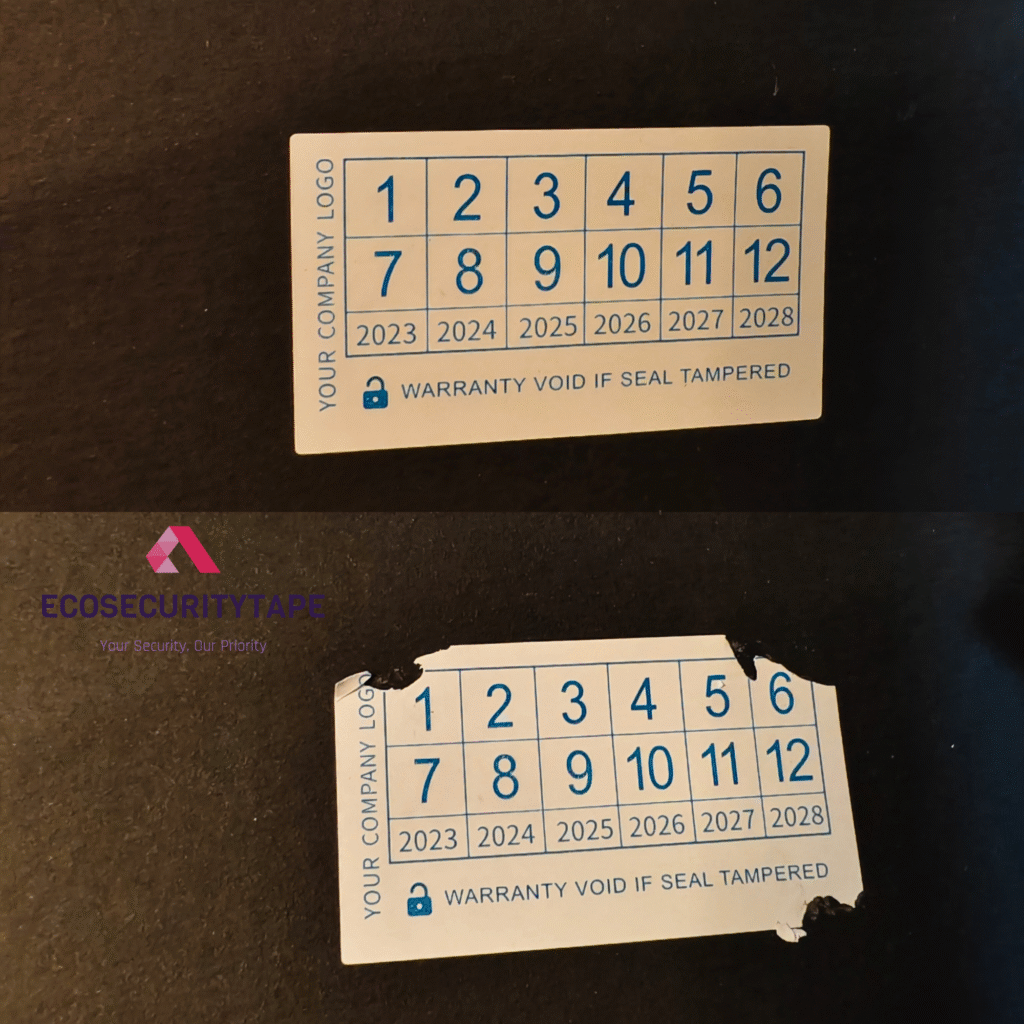
Anti-Tear Security Labels
Anti-tear labels are made from high-strength composite films, offering strong resistance to stretching and cutting. They are difficult to remove intact, and any forced tampering leaves obvious damage.
Typical applications:
- Cross-border logistics carton sealing
- Warehouse security seals
- Security and asset protection scenarios
Real-world example:
In logistics operations, anti-tear labels are applied to shipping cartons. If someone attempts to cut or remove the label during transit, the damage is immediately visible, helping detect tampering and prevent product substitution or theft.
👉 Best for: transport security + high-intensity environments
How to Choose the Right Security Label
Different types of security labels vary in:
- Adhesion strength
- Material thickness
- Whether a release liner is used
- Printing and customization capabilities
When selecting the right label, businesses should consider:
- Product material (glass, plastic, metal, leather)
- Appearance requirements (whether residue is acceptable)
- Required protection level (basic tamper evidence vs high-strength tamper resistance)
- Compatibility with automated labeling systems
In practice, many brands combine multiple types of labels. For example:
👉 Using full transfer labels for outer packaging and destructible labels for internal control, creating a multi-layer protection system.
Key Takeaway
There is no “best” security label—only the most suitable one for your application.
Choosing the right type allows businesses to achieve the optimal balance between protection performance, user experience, and brand image, while enhancing supply chain security and customer trust.
Security Label Cases
In the high-end beverage, luxury watch, and premium food sectors, tamper evident / tamper proof labels play a critical role in product protection and brand integrity:
- High-end Spirits: For brands like Yamazaki Whisky, bottle seals and gift box closures often use full-transfer tamper evident labels. Once opened, these labels leave a permanent mark, preventing bottle reuse, refilling, and cross-region redistribution, thus safeguarding brand quality and pricing. Implementing a robust security label solution also enhances consumer trust.
- Luxury Watches: Brands such as Rolex extensively use tamper proof labels on watch boxes, warranty seals, and accessory tags. Their high-strength anti-tamper design prevents product swapping or disassembly during transportation, storage, and retail, while also facilitating official traceability verification. A reliable security label solution ensures the authority and prestige of luxury items.
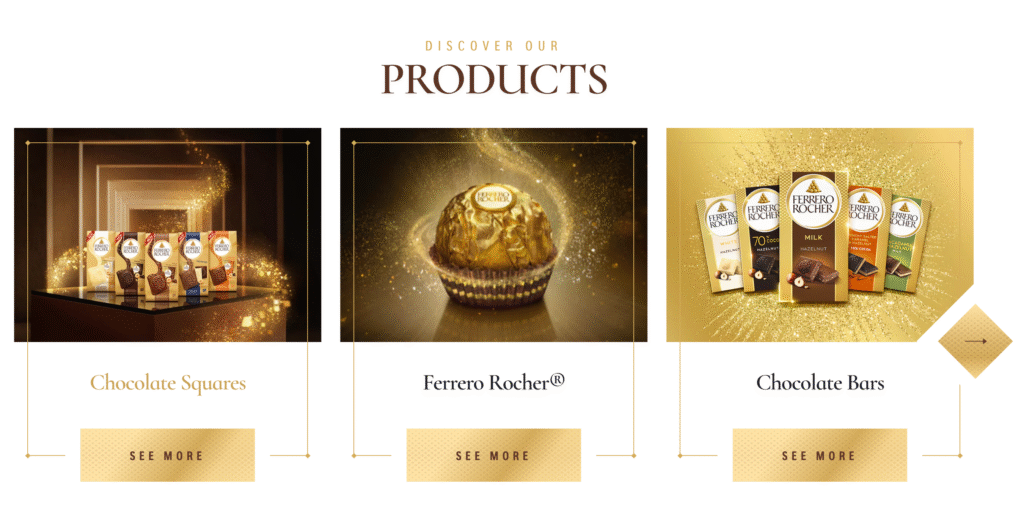
- Premium Food Gift Boxes: High-end chocolates like Federo employ visually refined tamper evident labels on gift boxes. These labels maintain packaging integrity, prevent mid-chain tampering, and preserve the overall aesthetic of the packaging. By adopting a sophisticated security label solution, brands achieve both safety and premium visual appeal, boosting consumer confidence.
Overall, a professional security label solution has become a key tool for protecting brand reputation, controlling pricing, and building customer trust across all high-value product packaging scenarios.
Security Label Customization Guide
| Key Factor | Options | Application Guidance |
|---|---|---|
| Size | Small labels / Large labels | Small labels are ideal for screws, clips, and component sealing; large labels are suitable for gift boxes and outer carton sealing. Size should match the application position for optimal performance. |
| Material | PET / Destructible Paper | PET labels offer high strength, tear resistance, and durability—ideal for logistics and outdoor use. Destructible paper labels are lightweight and fragile, perfect for warranty seals and tamper control. |
| Tamper Effect (VOID Type) | Full transfer / Semi-transfer / Non-transfer | Full transfer provides the highest security for high-value products. Semi-transfer balances protection and appearance. Non-transfer is suitable for sensitive surfaces where residue is not acceptable. |
| Roll Format | With liner / Linerless | Labels with release liner support longer roll lengths and stable automated application. Linerless labels are limited in length and more suitable for manual use. |
| Additional Features | UV ink / Hot stamping / QR code / Serialization | Advanced features enhance both anti-counterfeiting performance and brand value. QR codes and serialization enable product traceability and authentication. |
Summary
Effective customization is the foundation of high-performance security label solutions. By aligning size, material, tamper effect, and roll specifications with real application needs, businesses can achieve the ideal balance between protection, usability, and brand presentation—while advanced features further strengthen the overall value of modern security label solutions.
FAQ: Security Label
Can security labels be produced in rolls up to 1200 meters?
Yes. For security label solutions with a release liner, the master roll can reach up to 1200 meters. In practical use, however, the finished rolls are typically slit into 200–1000 meters to ensure compatibility with labeling machines and improve operational efficiency. This flexibility allows businesses to optimize both production and application processes.
Why are linerless labels usually limited to around 100 meters?
Linerless labels have the adhesive layer directly exposed to the backing material, which creates higher friction and increases the risk of stretching or deformation during unwinding. As a result, the roll length is generally limited to around 100 meters. For applications requiring longer rolls and automation, liner-based security label solutions are recommended.
What is the difference between security labels and security tape?
The key difference lies in their structure and application:
- Security labels: Individually die-cut pieces used for specific sealing points, identification, and tamper indication
- Security tape: Continuous rolls used for full-surface sealing, such as cartons and logistics packaging
In many security label solutions, both products are used together to create a layered protection system—labels for critical نقاط and tape for overall sealing.
How to choose between full transfer and non-transfer labels?
- Full transfer labels:
Best for scenarios requiring permanent, visible tamper evidence. Once removed, the message remains on the surface and cannot be reversed. - Non-transfer labels:
Ideal for sensitive or premium surfaces where no residue or damage is allowed. The tamper indication appears on the label itself.
Choosing the right option is essential for building effective security label solutions that balance protection and product appearance.
Can security labels be made resistant to cutting or tampering?
Yes, certain materials and structures can enhance resistance to cutting or tampering. However, security labels are primarily designed for localized identification and tamper indication.
For applications requiring high-strength, anti-cutting, or heavy-duty protection, it is generally recommended to combine labels with security tape as part of a more comprehensive security label solution.
Can security labels support traceability and anti-counterfeiting features?
Absolutely. Modern security label solutions can integrate:
- QR codes for product authentication
- Unique serial numbers for tracking
- UV ink or hidden features for covert verification
These features enable brands to achieve not only tamper evidence but also end-to-end traceability and anti-counterfeiting control.
Are security labels suitable for automated production lines?
Yes. Most professional security label solutions are designed to be compatible with automated labeling systems. By selecting the right roll format, adhesive type, and material structure, labels can be seamlessly integrated into high-speed production lines, improving efficiency while maintaining consistent quality.
Summary
Well-designed FAQ content not only addresses common concerns but also reinforces trust in your security label solutions. By clearly explaining technical limitations, application differences, and customization options, businesses can better guide customers toward the most suitable solution while strengthening their professional image.
Contact Us
Email: info@ecosecuritytape.com or WhatsApp: +1 615 480 2757
If you are looking for custom security labels, feel free to contact us for consultation. We can provide a detailed product catalog showcasing various security label solution options, as well as YouTube video cases demonstrating their real-world applications.
You can also send us images or requirements via WhatsApp, and our team will recommend the most suitable tamper-evident or tamper-proof labels based on your product type and usage scenario.
Whether it’s bottle seals, gift box closures, or high-value product accessories, our professional security label solution experts can provide tailored guidance, helping you quickly find the ideal label solution that safeguards your brand and builds consumer trust.
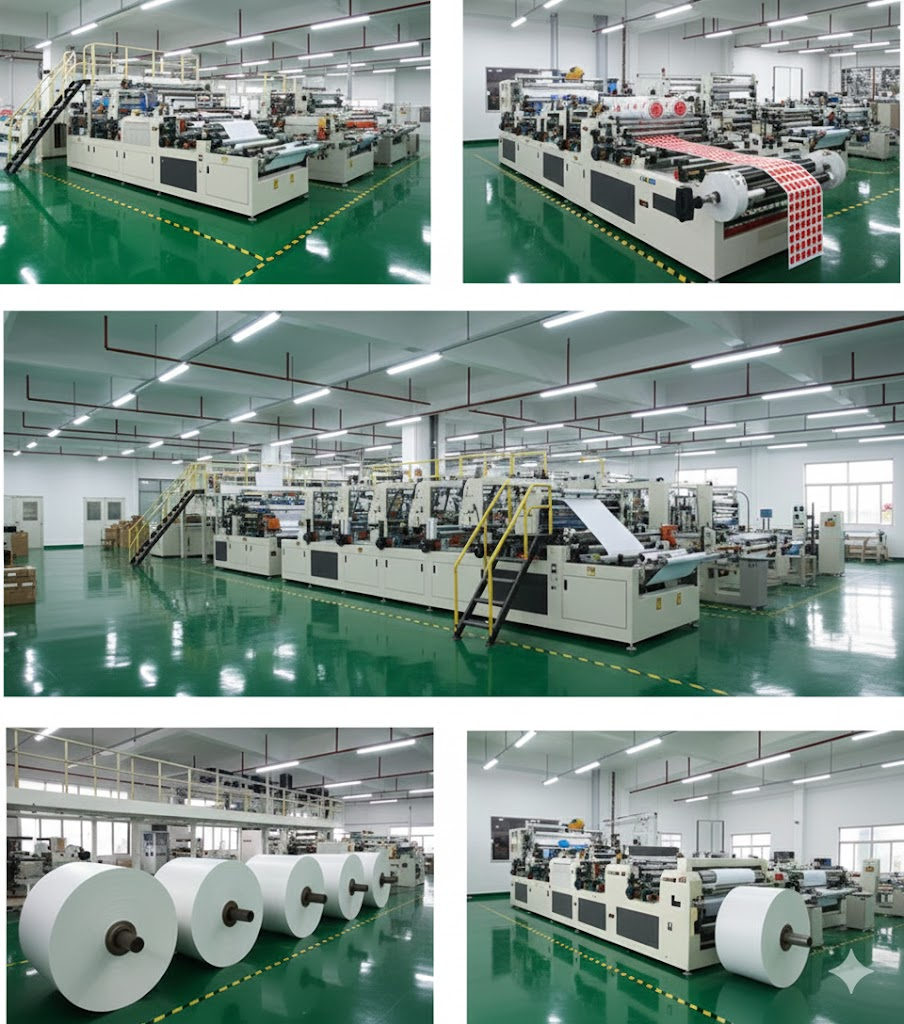

Focus on tamper evident packaging, free sample for test, small-batch MOQ, let’s have a talk.