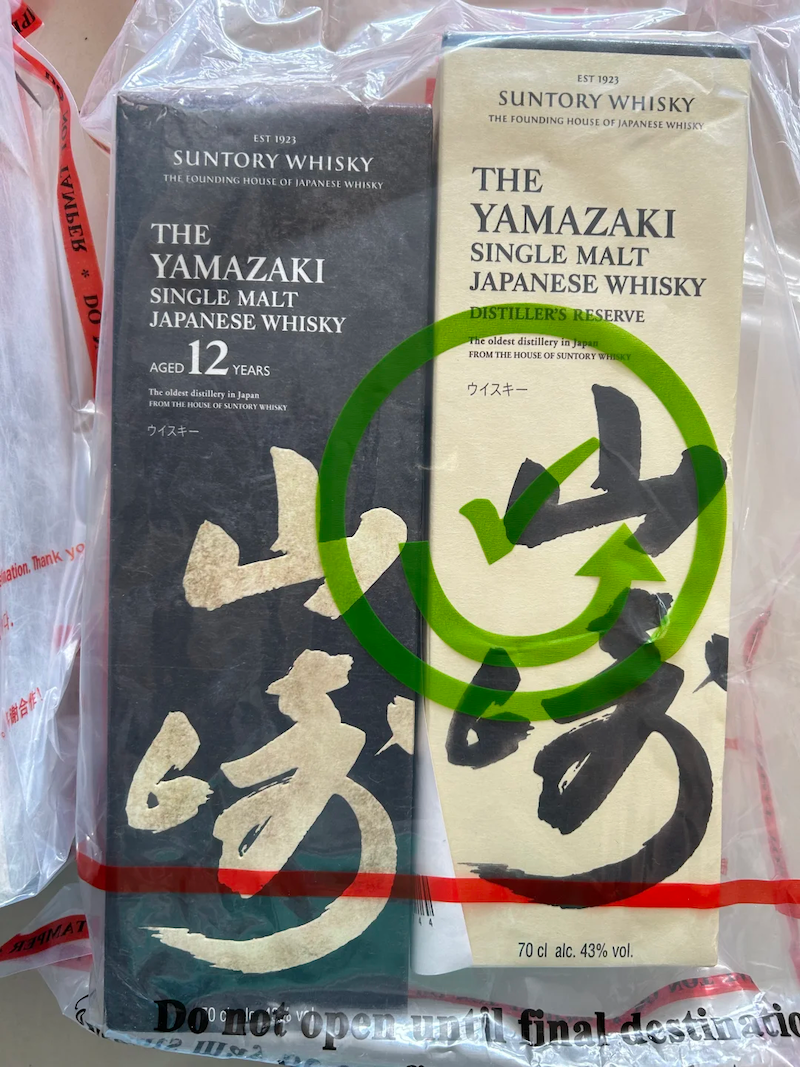
What Are Airport Duty-Free Bags?
Airport duty-free bags are tamper-evident security bags used to transport duty-free liquids, aerosols, and gels (LAGs) through international airport security. Most international airports use ICAO-compliant Security Tamper-Evident Bags (STEBs) for transfer passengers.
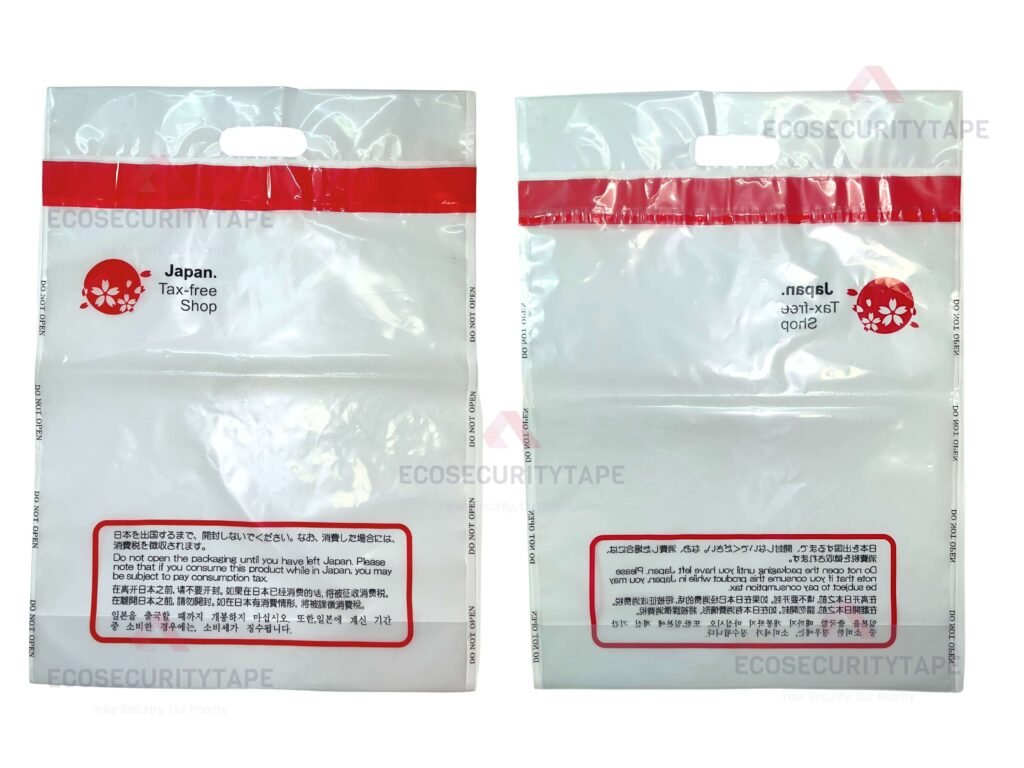
A compliant STEB combines a transparent bag, tamper-evident seal, barcode or serial number, and receipt pocket to help airport security verify the origin of duty-free purchases without opening the package.
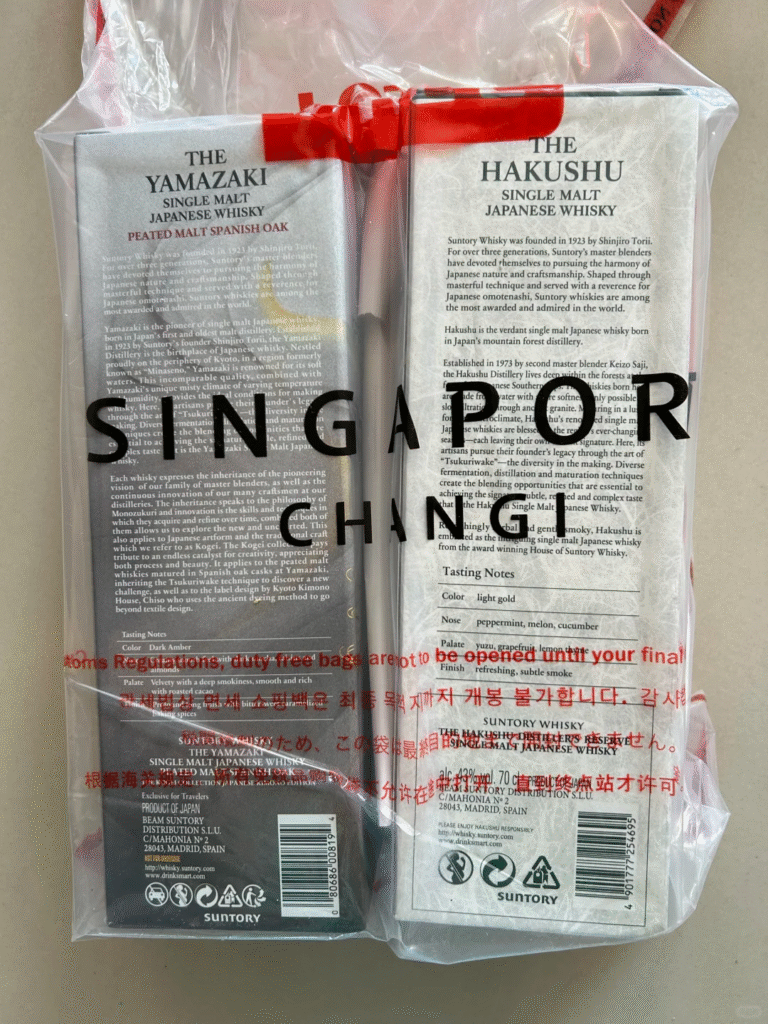
Beyond carrying products, airport duty-free bags support aviation security, customs inspection, passenger transfers, and global duty-free retail compliance, making them an essential part of the international travel supply chain.
Learn more about duty-free security packaging in our complete guide:
What Is a Duty-Free Bag?
Airport Duty-Free Bag Rules and Regulations
Airport duty-free bag rules are designed to keep liquids, cosmetics, alcohol, and other duty-free purchases secure during international transit and secondary security screening.
Most compliant airport duty-free bags follow the STEB standard, which helps airport security verify that the product was purchased from an approved duty-free retailer and has not been opened or tampered with during transfer.
Watch this short video to see how tamper-evident duty-free bags work in real airport and retail scenarios.
A compliant STEB bag usually includes:
- Transparent material for visual inspection
- Tamper-evident sealing that reveals unauthorized opening
- Receipt pocket or proof-of-purchase placement
- Barcode or serial number for traceability
- Single-use structure that cannot be resealed after opening
In real airport operations, these rules are especially important for passengers making international connections. If a duty-free bag does not meet STEB requirements, security officers may open, reject, or confiscate the goods during transit screening.
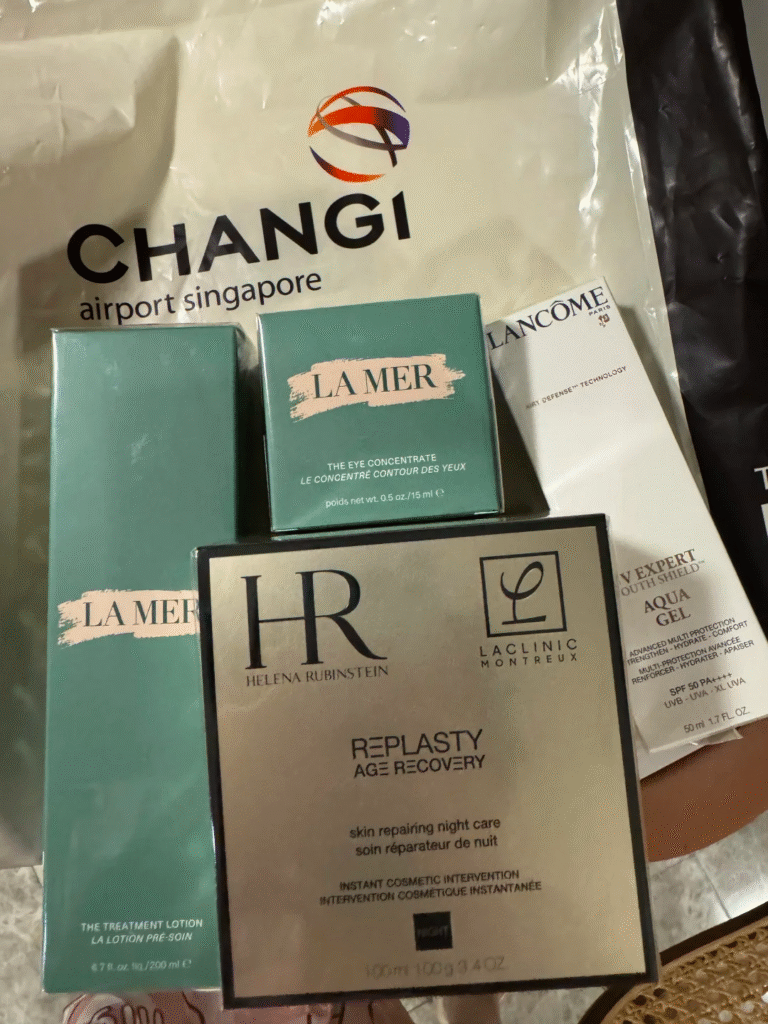
For a broader explanation of duty-free packaging and passenger transfer rules, read our complete guide:
What Is a Duty Free Bag?
ICAO STEB Bags: Definition & Importance
ICAO STEB bags are tamper-evident security bags designed for airport duty-free liquids, cosmetics, alcohol, and other controlled goods during international transit.
Unlike ordinary retail bags, an ICAO-compliant STEB bag must support airport security inspection, customs verification, and proof-of-purchase checking without opening the package.
A compliant ICAO STEB bag should include:
- Tamper-evident seal — clearly shows if the bag has been opened
- Transparent body — allows visual inspection without cutting the bag
- Receipt placement — keeps proof of purchase visible inside the bag
- Single-use design — prevents resealing after unauthorized access
For duty-free retailers, airport operators, and international brands, STEB compliance helps reduce transit disputes, rejected goods, and security delays during connecting flights.
→ For a deeper breakdown of STEB bag technology, use cases, and global compliance standards,
see our detailed guide: STEB Bags 101: Features, Applications, and Compliance Standards.
Types of Airport Duty-Free Bags
Airport duty-free bags come in several types, each designed to meet specific aviation security regulations, product protection requirements, and airport retail scenarios. Choosing the right type of airport duty-free bag is essential not only for regulatory compliance, but also for safeguarding high-value goods and maintaining brand trust throughout international transit.
Below are the most common types of airport duty-free bags used across global airports and duty-free retailers.
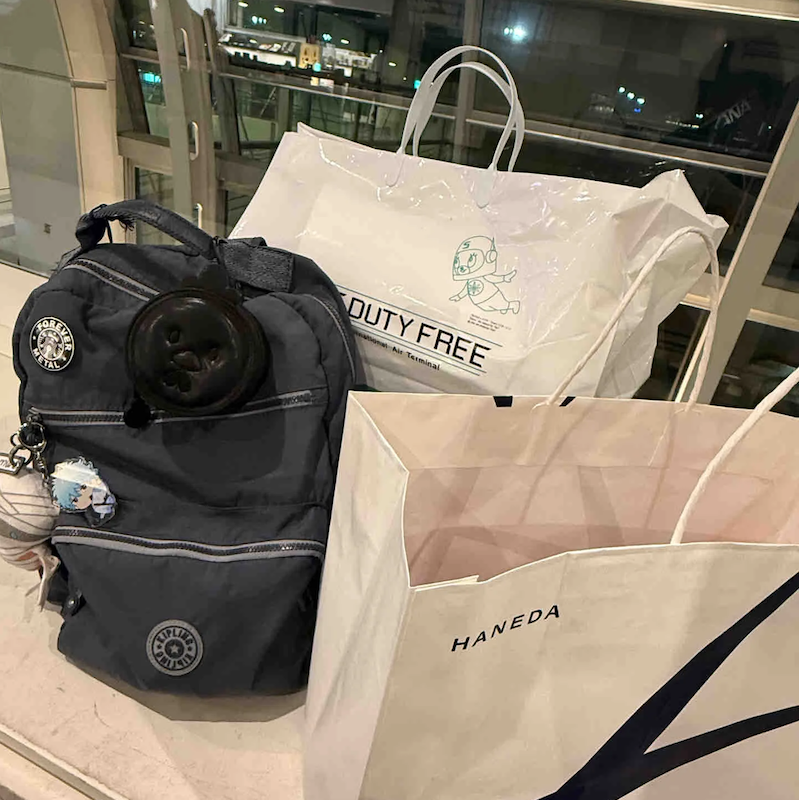
ICAO-Compliant STEB Bags
ICAO-compliant STEB bags are the most widely used type of airport duty-free bags for international travel. These bags are specifically designed to comply with ICAO aviation security guidelines for liquids, aerosols, and gels (LAGs), allowing passengers to transit through multiple airports without reopening their purchases.
Key features include:
- Transparent, high-clarity plastic for visual inspection
- Permanent tamper-evident sealing technology
- Internal receipt placement for customs verification
- Clear evidence of opening or manipulation
These ICAO-approved STEB bags are commonly used for duty-free liquor, perfumes, cosmetics, and other liquid products purchased after security screening.
→ Learn more about ICAO-compliant STEB bag standards here:
What Is an ICAO STEB Bag and Why It Matters
Custom Duty-Free Bags
Beyond standard STEB bags, many airports and duty-free retailers require customized airport duty-free bags tailored to their branding, operational needs, and security levels. These customized solutions are especially common in major international hubs and luxury retail environments.
Customization options may include:
- Custom bag sizes for different product categories
- Printed logos, brand messaging, or security warnings
- Enhanced tamper-evident seals and serial tracking
- Material upgrades for durability and sustainability
Customized airport duty-free bags help retailers reduce shrinkage, improve customer experience, and reinforce brand identity throughout the travel journey.
→ Explore our full range of customized airport duty-free bag solutions:
Airport Duty-Free Bag Products & Custom Options
Airport-Specific Applications
Some airports implement airport-specific duty-free bag requirements based on local regulations, passenger volume, and transit complexity. These airport-specific duty-free bags are often developed in collaboration with customs authorities and major duty-free operators.
Examples include:
- High-throughput international transit hubs
- Airports with strict liquid transfer controls
- Locations handling premium or regulated goods
In these cases, airport duty-free bags may feature reinforced seals, unique receipt placement formats, or additional compliance markings to ensure smooth customs clearance and passenger transfers.
→ See a real-world example from a major international hub:
Changi Airport Duty-Free Bag Solutions Explained
Eco-Friendly & Reusable Options
As sustainability becomes a priority across global airports, eco-friendly airport duty-free bags are gaining traction. These bags focus on material optimization, reduced plastic usage, and responsible disposal—while still maintaining essential tamper-evident security features.
This type is increasingly adopted by airports and retailers seeking to balance environmental responsibility with regulatory compliance.
Closing Transition
Understanding the different types of airport duty-free bags helps airports and retailers select compliant, secure, and cost-effective solutions. However, bag selection alone is not enough—compliance with international aviation regulations ultimately determines whether these bags can be used safely across borders.
Who Uses Airport Duty-Free Bags?
Airport duty-free bags are used by a wide range of stakeholders across the global travel, retail, and security ecosystem. While passengers are the most visible users, the true demand for airport duty-free bags is driven by airports, duty-free retailers, customs authorities, and international brands that rely on secure, compliant packaging to manage cross-border movement of high-value goods.
Below are the most common and important use cases for airport duty-free bags in real-world operations.
Airports & Operators
Major international airports use airport duty-free bags as a standardized security and compliance tool. These bags allow airports to align duty-free retail operations with aviation security regulations without disrupting passenger flow.
At hub airports handling large volumes of international transit passengers—such as those in Asia and Europe—airport duty-free bags play a critical role in:
- Enabling seamless transfers between connecting flights
- Reducing secondary screening delays
- Maintaining consistency across terminals and airlines
Airports increasingly view ICAO-compliant duty-free bags as part of their overall risk-control infrastructure, not merely retail packaging.
Duty-Free Retailers
Duty-free retailers are among the primary users of airport duty-free bags. For them, compliant packaging is essential to protect both merchandise value and brand reputation.
Typical applications include:
- Alcohol, spirits, and wines
- Perfumes and cosmetics
- Luxury goods and limited-edition products
Retailers rely on tamper-evident duty-free bags to:
- Prevent product substitution or theft
- Ensure proof-of-purchase remains visible
- Avoid disputes during transit security checks
For a detailed overview of how duty-free bags are applied in retail environments, see:
What Is a Duty Free Bag?
Regional Duty-Free Programs
Some airport duty-free bag usage is location-specific, driven by local passenger profiles, transit patterns, and regulatory enforcement levels.
For example, airports with heavy international transfer traffic require:
- Larger bag sizes for multi-item purchases
- Stronger sealing performance for long-haul transit
- Clear compliance labeling for customs inspections
A practical example can be seen in Southeast Asia, where airport-specific duty-free bag solutions are widely adopted to support high passenger volumes and strict transit rules.
See case-based applications here:
Changi Airport Duty-Free Bags
Customs & Border Control
Customs agencies use airport duty-free bags as a visual and physical verification mechanism. The integrity of the bag helps officers quickly assess whether duty-free items have been accessed, altered, or replaced.
From a customs perspective, airport duty-free bags support:
- Anti-tampering enforcement
- Tax compliance verification
- Faster clearance at borders
Tamper-evident features significantly reduce the need for manual inspections, improving efficiency while maintaining regulatory control.
Global Brands & OEM Buyers
Beyond immediate airport use, global brands and OEM buyers increasingly adopt airport duty-free bags as part of their standardized packaging strategy. This includes brands supplying exclusive travel-retail products or limited-edition releases.
Common requirements from brand-side users include:
- Custom branding and logo printing
- Size and material customization
- Traceability and batch identification
For product-level specifications and customization options, refer to:
Airport Duty-Free Bag Product Solutions
Why Airport Duty Free Bags Regulations So Strict?
Airport duty-free bag regulations are strict because these bags sit at the intersection of aviation security, international customs control, and high-value retail protection. Unlike ordinary shopping bags, airport duty-free bags must remain secure and verifiable across multiple security checkpoints, countries, and regulatory systems.
The strict requirements are not designed to inconvenience passengers or retailers. Instead, they exist to ensure liquid safety, prevent tampering and tax evasion, and maintain global consistency in air travel security.
Below are the key reasons why airport duty-free bag regulations are enforced so rigorously worldwide.
Aviation Security & LAGs
One of the primary reasons airport duty-free bag rules are strict is aviation security related to liquids, aerosols, and gels (LAGs). High-risk liquid items such as alcohol, perfumes, and cosmetics must be controlled carefully to prevent security threats during air travel.
Airport duty-free bags are required to be:
- Fully sealed after purchase
- Transparent for visual inspection
- Tamper-evident to show any interference
These requirements allow security authorities to verify that liquid items purchased after screening have not been altered before boarding or during transit.
ICAO Transit Compliance
Airport duty-free bag standards are also shaped by the need for international consistency. Passengers frequently transit through multiple airports and countries on a single journey, making uniform compliance essential.
ICAO-compliant STEB (Security Tamper-Evident Bag) standards ensure that:
- Duty-free purchases can pass through connecting flights without reopening
- Security officers worldwide can instantly recognize compliant packaging
- Receipts remain visible for verification at any checkpoint
Without standardized ICAO-aligned rules, passengers would be forced to repack or surrender duty-free items during transit, causing delays and disputes.
Customs & Anti-Tampering
Beyond aviation security, customs authorities rely heavily on airport duty-free bag integrity to enforce tax and import regulations. Duty-free items are exempt from certain taxes, making them vulnerable to misuse, substitution, or illegal resale.
Strict duty-free bag regulations help customs agencies:
- Detect tampering or item replacement
- Verify proof of purchase and origin
- Prevent tax evasion and fraudulent claims
Tamper-evident sealing plays a critical role in maintaining trust between retailers, travelers, and border authorities.
Non-Compliance Risks
Non-compliant airport duty-free bags can lead to serious consequences for both passengers and retailers. Common issues include:
- Confiscation of duty-free items during security checks
- Forced repackaging or disposal of liquid goods
- Delays, customer complaints, and compensation disputes
- Damage to retailer reputation and operational efficiency
For airports and duty-free operators, using compliant airport duty-free bags is not optional—it is a necessary part of risk management and regulatory alignment.
Benefits for Airports & Retailers
Although strict at first glance, airport duty-free bag regulations ultimately protect all parties involved. They ensure smooth passenger transit, reduce disputes at security checkpoints, and preserve the integrity of high-value goods throughout international travel.
For airports and duty-free retailers, compliance translates into:
- Fewer security disruptions
- Lower loss and shrinkage rates
- Higher customer confidence
- Stronger alignment with global aviation standards
This is why leading international airports and duty-free brands consistently invest in ICAO-compliant, tamper-evident airport duty-free bag solutions.
Case Studies: Global Airport Applications
To better illustrate how airport duty-free bags are used in real-world operations, below is a consolidated case study covering multiple international airports across Asia. Each airport presents unique operational challenges, passenger profiles, and regulatory pressures—yet all rely on compliant, tamper-evident duty-free bags to ensure security, efficiency, and regulatory alignment.
Singapore Changi Airport
Singapore Changi Airport is one of the world’s busiest international transit hubs, serving passengers from hundreds of global destinations. A large percentage of travelers pass through multiple security checkpoints and connecting flights, making duty-free bag compliance especially critical.
At Changi Airport, airport duty-free bags are primarily used to:
- Support seamless transfer of liquids across connecting flights
- Reduce secondary screening during transit
- Ensure ICAO-compliant tamper evidence for customs inspection
The use of standardized, ICAO-compliant STEB bags allows duty-free retailers at Changi to maintain high sales volumes while minimizing security-related disruptions.
→ Detailed case reference:
https://ecosecuritytape.com/changi-airport-duty-free-bags/
Hanoi International Airport
Hanoi International Airport represents a fast-growing duty-free market driven by tourism expansion and increasing outbound travel. Compared with mature hubs, operational challenges here focus more on regulatory clarity and enforcement consistency.
Airport duty-free bags at Hanoi are used to:
- Ensure proof-of-purchase visibility during customs checks
- Prevent product replacement or leakage in transit
- Align local duty-free operations with international aviation standards
For emerging duty-free markets, tamper-evident packaging plays a key role in building trust with both regulators and international brands.
→ Detailed case reference:
https://ecosecuritytape.com/duty-free-bag-hanoi-airport/
Kuala Lumpur International Airport
Kuala Lumpur International Airport serves a diverse mix of regional and long-haul travelers, creating strong demand for duty-free goods across multiple price tiers. Retailers here must balance cost efficiency, sustainability, and compliance.
Duty-free bags at Kuala Lumpur are often selected based on:
- Reliable sealing performance for liquids and cosmetics
- Compatibility with regional transit regulations
- Options for reusable or eco-conscious designs
This makes Kuala Lumpur a representative case for airports seeking compliant solutions without compromising operational budgets.
→ Detailed case reference:
https://ecosecuritytape.com/duty-free-bags-for-kuala-lumpur-airport/
Tokyo Narita Airport
Tokyo Narita Airport operates under some of the strictest aviation and customs enforcement standards in the region. Duty-free packaging here must meet both technical compliance requirements and premium brand expectations.
At Narita Airport, airport duty-free bags are used to:
- Protect high-value luxury goods and spirits
- Prevent tampering during multi-stage inspections
- Maintain brand integrity through clean, professional presentation
The focus is not only on compliance, but also on reinforcing trust among passengers, brands, and authorities.
→ Detailed case reference:
https://ecosecuritytape.com/narita-airport-duty-free-bags/
Key Takeaways
Across all four airports, one pattern remains consistent:
Airport duty-free bags are not optional accessories—they are critical infrastructure for secure, compliant international retail.
Despite differences in passenger flow, regional regulations, and market maturity, airports and retailers consistently rely on tamper-evident, ICAO-compliant duty-free bags to:
- Reduce security risk
- Improve transit efficiency
- Protect high-value goods
- Maintain regulatory confidence
This is why airport duty-free bag standards continue to evolve—and why selecting the right supplier matters.
Why Choose EcoSecurityTape
EcoSecurityTape provides eco-friendly tamper-evident packaging for airport retailers, duty-free groups, distributors, and packaging buyers. Our duty-free bags use biodegradable materials and reliable security sealing to help protect products, reduce tampering risk, and support more sustainable packaging.
With over a decade of anti-counterfeit packaging experience, we support custom sizes, logo printing, VOIDOPEN seals, sample testing, and bulk B2B orders for real airport retail use.
How to Order Custom Airport Duty-Free Bags
For airport duty-free shops, duty-free groups, travel retail distributors, and packaging buyers, ordering custom duty-free bags should start with sample testing and specification confirmation.
To request a quote, buyers can provide the following details:
- Bag size or product dimensions
- Required quantity
- Logo or printing design
- Barcode, serial number, or warning text requirements
- Bag material and thickness preference
- Tamper-evident seal requirement
- Destination country and shipping method
EcoSecurityTape currently offers common duty-free bag sizes including 23cm x 34cm, 31cm x 49cm, and 38cm x 62cm. Custom sizes are also available. We can provide 3-5 free samples for testing, with customers covering the sample shipping cost. Custom orders start from 3,000 pieces, making it easier for buyers to test the product before larger repeat orders.

FAQs About Airport Duty-Free Bags
Q1: Can EcoSecurityTape customize duty-free bags for airport retailers?
Yes. We can customize bag size, logo printing, warning text, barcode, serial number, and tamper-evident seal design based on customer requirements.
Q2: What is the MOQ for custom duty-free bags?
EcoSecurityTape supports custom duty-free bag orders from 3,000 pieces. This is more flexible than many suppliers that require 10,000 or 20,000 pieces for custom production.
Q3: Can I test samples before placing a bulk order?
Yes. We can provide 3-5 free duty-free bag samples for testing. Customers only need to cover the sample shipping cost. Sample testing helps confirm material, size, sealing strength, printing quality, and tamper-evident effect before mass production.
Need custom airport duty-free bags for your project? Send us your bag size, printing design, seal requirement, and order quantity. EcoSecurityTape will help recommend a suitable solution for sample testing or bulk production.
WhatsApp: +1 615 480 2757
Email: Info@ecosecuritytape.com

Focus on tamper evident packaging, free sample for test, small-batch MOQ, let’s have a talk.